




What's Happening?
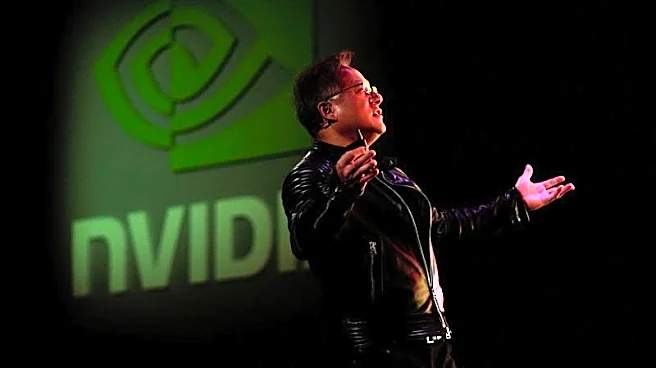
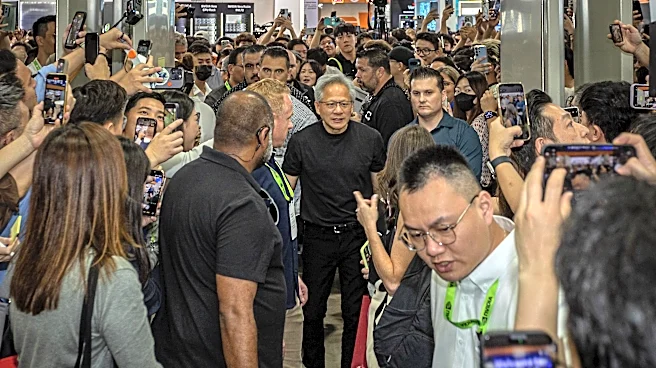
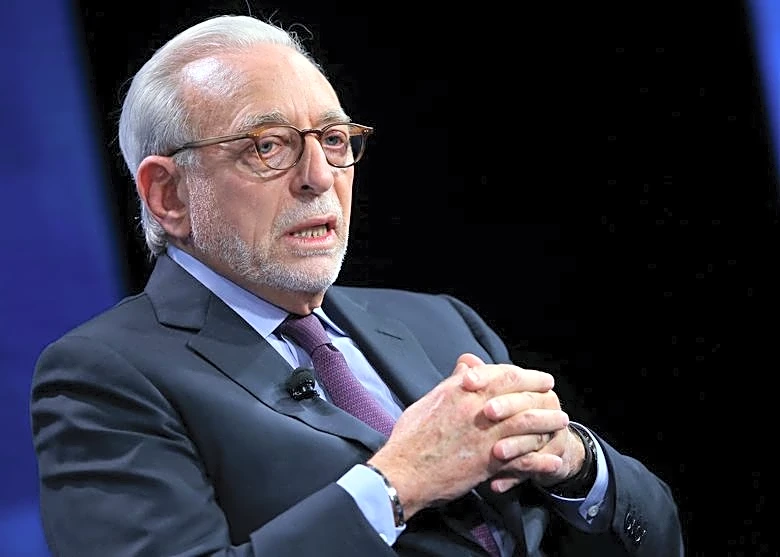
Short-seller Carson Block, founder of Muddy Waters Research, has voiced strong opposition to the reinstatement of Jensen Huang as CEO of Nvidia. Block had previously unveiled a short position in Nvidia following Huang's resignation and has been pushing
back against calls for his return. According to Business Insider, Block argues that Huang's reinstatement sends a message that important CEOs will not be held accountable, even for potential national security breaches. Block's firm detailed its concerns in an X post, highlighting the tension between national security and the private sector. Prominent figures like Elon Musk and Amjad Masad, CEO of Replit, had advocated for Huang's return, with billionaire Bill Ackman also criticizing Nvidia's board for not acting in shareholders' best interest by initially resisting calls to bring Huang back. Block's skepticism remains despite Huang's official return to Nvidia.
Why It's Important?
Carson Block's stance underscores significant concerns regarding corporate accountability and national security within the U.S. tech sector. His argument that Huang's reinstatement could signal a lack of accountability for CEOs, even in cases involving potential national security risks, could influence investor sentiment and regulatory scrutiny. The debate highlights a growing tension between the private sector's pursuit of economic interests and the government's imperative to protect national security, particularly concerning advanced technologies like AI chips. If Block's concerns gain traction, it could lead to increased pressure on tech companies to enhance transparency regarding executive ties and potential conflicts of interest, especially with foreign entities. This situation also brings into focus the influence of prominent market voices, like Musk and Ackman, in corporate governance decisions and their potential impact on market perceptions and company valuations.
What's Next?
The ongoing debate surrounding Jensen Huang's reinstatement and Carson Block's criticisms could lead to several developments. Regulators and policymakers might face increased pressure to examine the intersection of corporate leadership, national security, and foreign relations, potentially leading to new guidelines or enforcement actions. Nvidia may face continued scrutiny from investors and the public regarding its corporate governance practices and its handling of national security implications. The broader tech industry could also see a ripple effect, with other companies re-evaluating their executive vetting processes and disclosure policies, especially for leaders with international ties. Furthermore, the discussion could intensify the debate about the balance between fostering innovation and safeguarding national interests in critical technology sectors.
Beyond the Headlines
Beyond the immediate financial implications for Nvidia and its investors, this situation touches upon deeper ethical and geopolitical dimensions. The allegations against Huang, particularly concerning his ties to a former executive at a Chinese tech firm suspected of being a Chinese spy, raise questions about corporate espionage and the vulnerability of U.S. technological leadership. Block's emphasis on Huang's lobbying efforts to loosen restrictions on AI chip exports to China further highlights the complex interplay between economic globalization and national security. The perceived lack of accountability for a CEO of a multi-trillion-dollar company, as Block suggests, could erode public trust in corporate governance and potentially embolden other executives to prioritize corporate profits over national security considerations. This scenario could also fuel calls for more robust oversight mechanisms to prevent potential conflicts of interest and ensure that corporate decisions align with broader national interests.