
What's Happening?
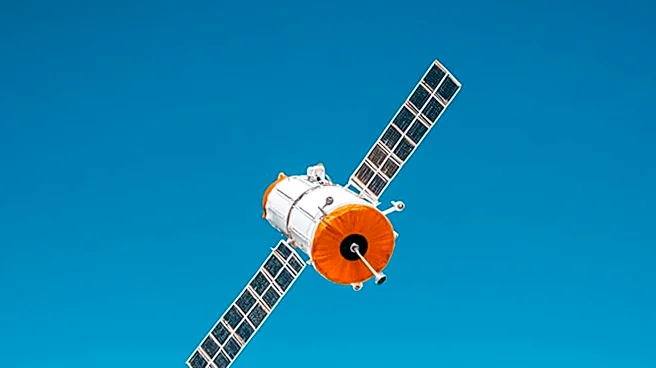
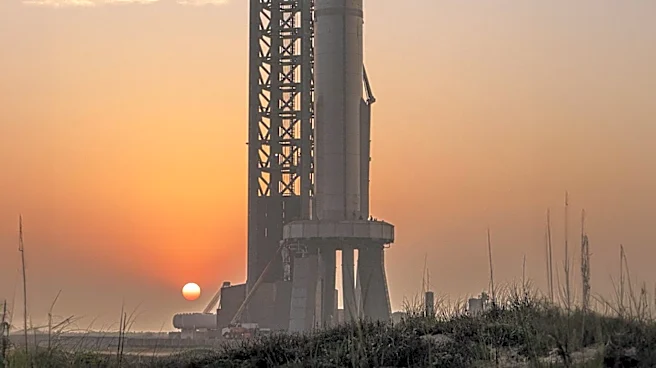
SpaceX's Starship Flight 13 marked a significant milestone by successfully deploying working Starlink V3 satellites, achieving a controlled splashdown in the Indian Ocean. This mission, launched from Starbase,
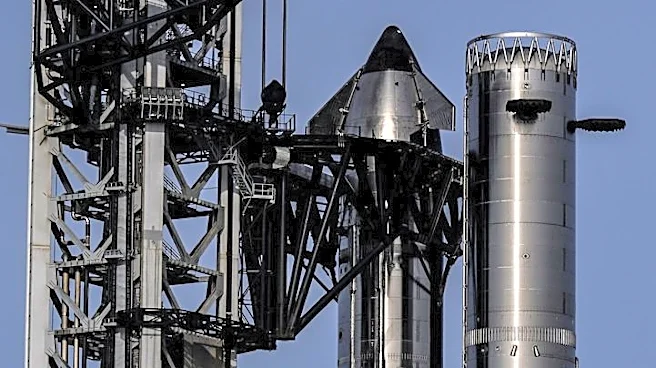
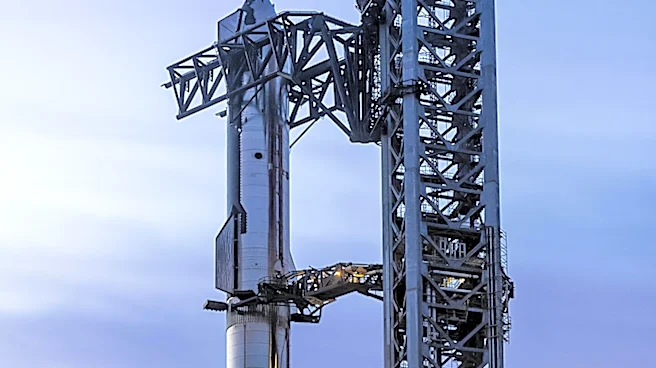
Texas, was the first to combine a functional payload deployment with a soft landing, providing valuable data for future missions. The flight addressed previous issues with stage separation and heat-shield performance, enhancing the vehicle's reentry and landing profile. SpaceX plans to attempt a catch of the Starship upper stage with mechanical arms on the next flight, contingent on a successful review of Flight 13's data.
Why It's Important?
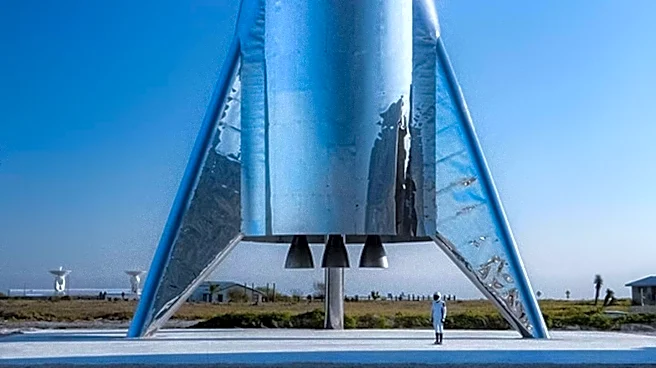
The successful deployment of Starlink V3 satellites and the soft splashdown of Starship Flight 13 represent a significant advancement in SpaceX's efforts to achieve full reusability of its spacecraft. This development could reduce turnaround times between flights, potentially lowering costs and increasing the frequency of launches. The mission's success also contributes to the expansion of the Starlink constellation, which aims to provide global internet coverage. The data collected from this flight will be crucial for refining SpaceX's landing techniques, moving closer to the goal of catching the Starship with tower arms, a step towards achieving full reusability.
What's Next?
SpaceX plans to review the data from Flight 13 to ensure all objectives were met before proceeding with Flight 14, where they aim to catch the Starship upper stage using the launch tower's mechanical arms. This next step is critical for advancing SpaceX's goal of making both stages of the Starship fully reusable. The success of this maneuver could significantly impact the economics of space travel, making it more accessible and sustainable. Additionally, the continued deployment of Starlink satellites will enhance global internet connectivity, particularly in remote and underserved areas.