




What's Happening?
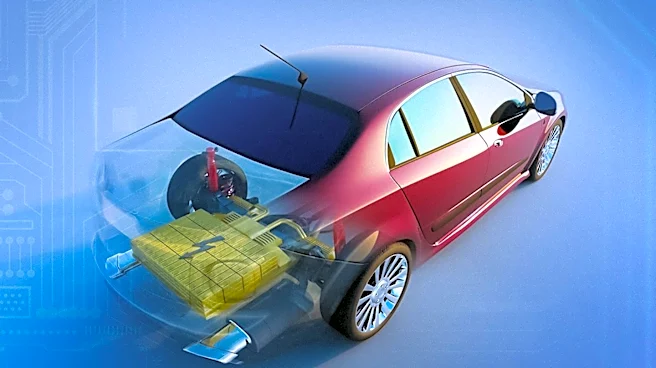
The automotive industry utilizes a variety of battery types to power vehicles, ranging from traditional internal combustion engine cars to hybrid and electric vehicles (EVs). Lead-acid batteries are commonly found in conventional gasoline and diesel cars,
primarily for engine starting and powering accessories. These batteries are affordable and reliable but have limitations in energy storage, weight, and lifespan, typically lasting 3-5 years. Lithium-ion batteries are prevalent in hybrid vehicles, plug-in hybrids (PHEVs), and EVs, serving as the main energy source for electric motors. They are favored for their lightweight nature, high energy density, and long lifespan, despite being more expensive and sensitive to extreme temperatures. Nickel-metal hydride batteries are used in hybrid vehicles, offering a longer lifespan than lead-acid batteries and being more environmentally friendly, though they have lower energy density and higher weight compared to lithium-ion. Emerging solid-state battery technology is under development, anticipated to replace current lithium-ion batteries with promises of higher energy density, faster charging, enhanced safety, and extended lifespan.
Why It's Important?
The choice of battery technology significantly impacts vehicle performance, maintenance costs, environmental footprint, and driving range, particularly in the U.S. automotive market. The dominance of lithium-ion batteries in EVs allows for longer ranges and improved efficiency, which is crucial for consumer adoption and the expansion of the electric vehicle market in the U.S. The development of solid-state batteries could further accelerate this transition by addressing current limitations of lithium-ion technology, such as cost and temperature sensitivity, making EVs more accessible and practical for a wider consumer base. Conversely, the continued use of lead-acid batteries in conventional vehicles highlights the ongoing need for cost-effective and reliable starting power, even as the industry shifts towards electrification. The environmental implications of battery disposal and recycling also become more critical as battery production scales up, influencing regulatory frameworks and sustainability initiatives within the U.S.
What's Next?
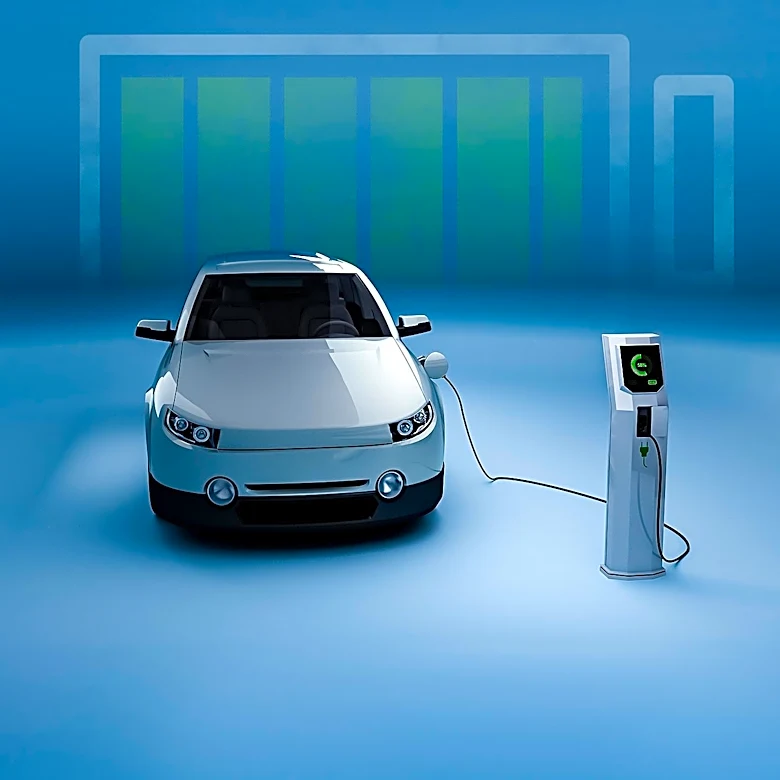
The automotive industry is expected to continue its research and development into advanced battery technologies, with a significant focus on solid-state batteries. As this emerging technology matures, it could lead to a paradigm shift in EV design and performance, potentially making electric vehicles more competitive with traditional gasoline cars in terms of cost, range, and charging speed. Manufacturers will likely invest further in optimizing lithium-ion battery production and recycling processes to address environmental concerns and reduce costs. The increasing demand for EVs will also drive the expansion of charging infrastructure across the U.S., supported by both private and public sector investments. Policy decisions regarding emissions standards and incentives for EV adoption will continue to shape the market, influencing which battery technologies gain prominence and how quickly the U.S. transitions to a fully electric fleet.
Beyond the Headlines
The evolution of battery technology extends beyond mere vehicle performance, touching upon critical aspects of national energy independence and resource management. The reliance on specific raw materials for battery production, such as lithium, nickel, and cobalt, raises geopolitical considerations and the need for secure supply chains. The U.S. government and private companies are increasingly exploring domestic mining and processing capabilities to reduce dependence on foreign sources. Furthermore, the end-of-life management of batteries presents a growing challenge, necessitating advanced recycling technologies to recover valuable materials and minimize environmental impact. The development of more sustainable and ethically sourced battery components will be crucial for the long-term viability of the electric vehicle revolution, influencing consumer choices and corporate social responsibility initiatives within the U.S. and globally.