





What's Happening?
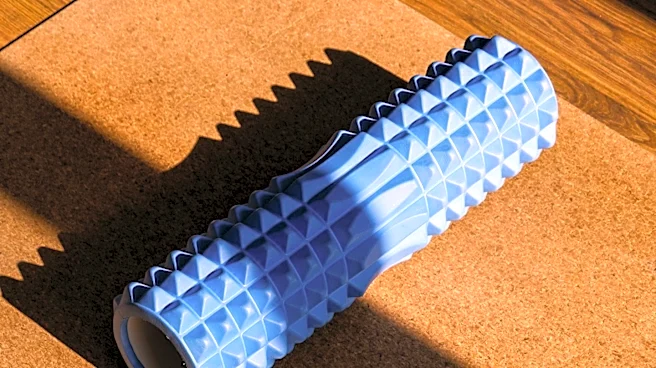
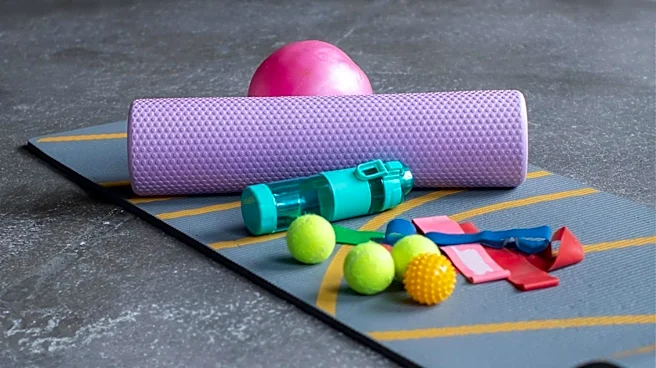
Foam rollers and lacrosse balls are widely used for self-myofascial release, a technique aimed at alleviating muscle tightness and improving movement. Foam rollers, characterized by their advanced 3D matrix surface and multi-density zones, are designed
to mimic the deep tissue massage provided by a professional therapist. They are constructed from high-density EVA foam around a hollow core, ensuring durability and shape retention under repeated use. Lacrosse balls, being smaller and firmer, offer a more targeted approach for localized areas such as the glutes, upper back, shoulder blades, and feet. Research suggests that these self-massage methods can lead to small, short-term improvements in joint range of motion and may reduce the perception of delayed-onset muscle soreness after physical activity. While beneficial for many healthy adults, it's important to note that these tools provide temporary relief and do not address the underlying causes of persistent pain or 'break up' muscle knots in a permanent way. They primarily influence comfort, relaxation, and the nervous system's perception of tension.
Why It's Important?
The increasing popularity of foam rollers and lacrosse balls highlights a growing trend in self-care and accessible wellness practices within the U.S. fitness and health industries. These tools offer a cost-effective alternative to regular professional massage therapy sessions, making muscle recovery and pain management more attainable for a broader population, including athletes, runners, and yoga practitioners. This accessibility can contribute to improved physical well-being and potentially reduce the burden on healthcare systems for minor muscle discomforts. However, it also underscores the importance of proper education on their safe and effective use to prevent injury. The market for these products continues to expand, reflecting a consumer demand for personal health management solutions. Understanding their limitations—that they offer temporary relief rather than a cure for chronic conditions—is crucial for users to manage expectations and seek professional medical advice when necessary, ensuring that self-treatment complements rather than replaces professional care.
What's Next?
As the market for self-myofascial release tools continues to grow, there will likely be further innovation in product design, materials, and accompanying instructional resources. Manufacturers may focus on developing more specialized rollers and balls tailored to specific body parts or conditions, alongside digital platforms offering guided routines and educational content. Healthcare professionals and fitness experts will continue to play a vital role in educating the public on the appropriate use of these tools, emphasizing safety precautions and when to seek medical consultation. This ongoing education will be crucial to maximize the benefits of self-massage while minimizing risks, particularly for individuals with pre-existing conditions or those recovering from injuries. The integration of these tools into broader wellness programs, including physical therapy and athletic training, is also expected to expand, further solidifying their role in personal health management.
Beyond the Headlines
The widespread adoption of foam rollers and lacrosse balls reflects a broader cultural shift towards proactive self-health management and a desire for immediate, accessible solutions to physical discomfort. This trend is intertwined with the increasing awareness of physical well-being and the importance of recovery in athletic performance and daily life. However, it also raises ethical considerations regarding the potential for self-diagnosis and the delay of professional medical attention for more serious conditions. The emphasis on 'self-care' can sometimes overshadow the need for expert evaluation, particularly when pain is persistent or severe. Furthermore, the marketing of these products often highlights their benefits without adequately stressing their limitations, potentially leading to unrealistic expectations among consumers. A balanced approach, combining self-massage with professional guidance and a comprehensive understanding of one's body, is essential to harness the full potential of these tools responsibly and effectively.