



What's Happening?
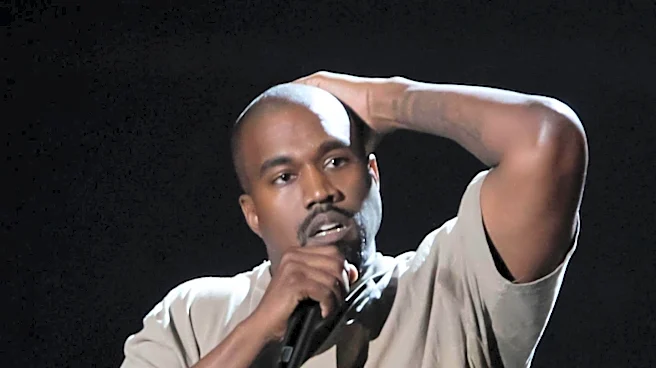
Opera singer Chase Taylor has filed a lawsuit against Kanye West, alleging false imprisonment and unfair trade practices related to the production of West's opera 'Nebuchadnezzar' in 2019. According to the lawsuit, filed in North Carolina, Taylor claims
West trapped him and approximately 150 other musicians inside a band room at Wyoming’s Cody High School. Taylor was allegedly tasked with composing the opera to 'performance-ready' standards within four days. The suit details that performers were subjected to 'abusive conditions,' including sleeping on the floor and insufficient food and water. Taylor's requests to unlock the doors and provide adequate provisions were reportedly ignored. He also claims he was deceived into believing he would be performing in a finished piece for 'non-profit engagements performed for religious purposes,' only to discover upon arrival that the opera was incomplete. Furthermore, Taylor alleges that his compositions were later used in West's songs, such as 'Telekinesis' and tracks from 'Vultures 2,' without proper credit or compensation.
Why It's Important?
This lawsuit highlights significant concerns regarding labor practices and artist rights within the entertainment industry, particularly concerning high-profile figures. The allegations of false imprisonment and abusive working conditions, if proven true, could set a precedent for how artists and their collaborators are treated during creative projects. It underscores the power dynamics often present in such collaborations, where less established artists may feel compelled to endure difficult circumstances due to promises of 'lucrative compensation, producer credit, and future work.' The claim of uncredited compositions also brings intellectual property rights to the forefront, emphasizing the importance of clear agreements and proper attribution for creative contributions. This case could influence future contractual negotiations and working standards, potentially leading to greater protections for musicians and other creative professionals involved in large-scale productions.
What's Next?
The lawsuit will proceed through the North Carolina court system, where Chase Taylor is seeking acknowledgment of his copyright ownership, a share of profits from the alleged unauthorized use of his compositions, and damages for fraud, false imprisonment, and unfair business practices. The exact sum of damages has not yet been disclosed. Kanye West's legal team will likely respond to the allegations, and the case could involve extensive discovery and potentially a trial. The outcome of this legal battle could have implications for West's public image and future collaborations. It may also prompt increased scrutiny of working conditions and contractual agreements across the music and entertainment sectors, potentially leading to calls for greater transparency and accountability from producers and artists.
Beyond the Headlines
Beyond the immediate legal ramifications, this case touches upon broader ethical considerations within the creative arts. The allegations of artists being 'locked in' and subjected to 'abusive conditions' raise questions about the boundaries of creative pressure and the responsibility of project leaders to ensure the well-being of their collaborators. It also sheds light on the often-unseen labor that goes into major artistic productions and the potential for exploitation when power imbalances exist. The dispute over intellectual property rights, particularly the alleged uncredited use of compositions, underscores the ongoing challenges artists face in protecting their work and ensuring fair compensation in a rapidly evolving industry. This situation could spark wider discussions about artist advocacy, unionization, and the need for more robust legal frameworks to safeguard creative professionals.