




What's Happening?
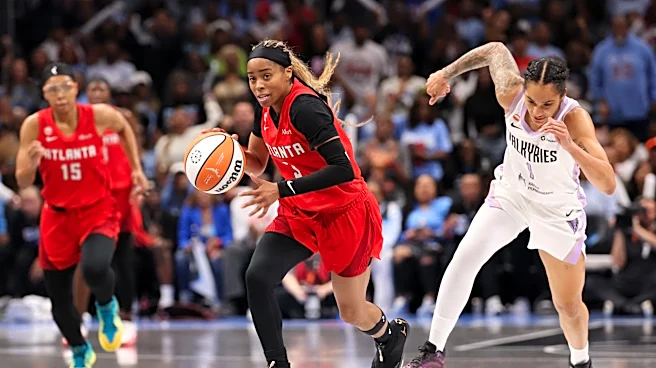
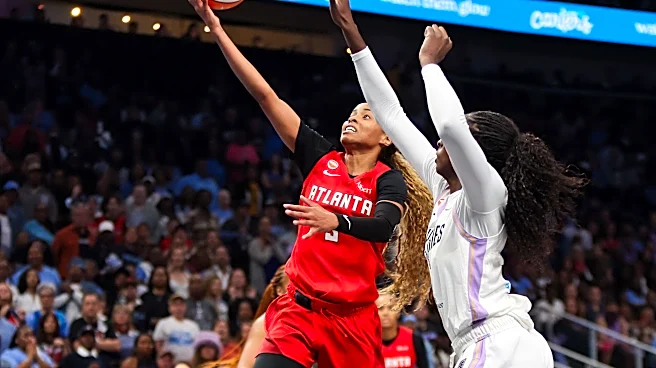
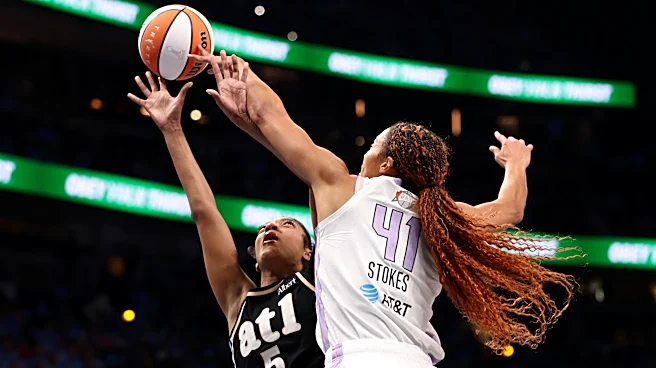
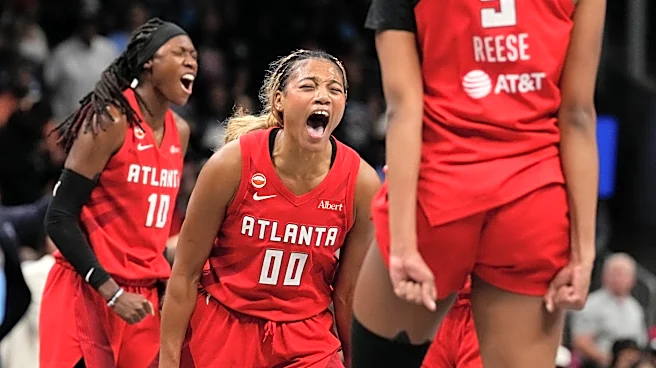
The Atlanta Dream successfully forced a historic Game 7 in the WNBA Finals against the Golden State Valkyries by implementing significant strategic adjustments in Game 6, leading to an 80-69 victory. Following a team meeting after their Game 5 loss, Dream head
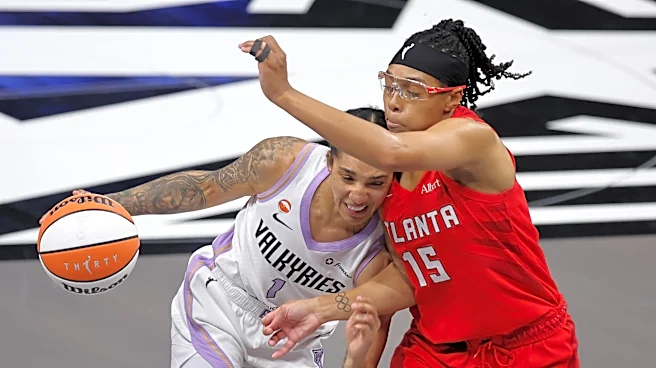
coach Karl Smesko and his team focused on improving offensive spacing and making defensive switches. Offensively, they addressed stagnant possessions and turnovers by emphasizing cutting, screening, and flattening the court space, which resulted in better shot selection. Defensively, Smesko altered the primary defender on Gabby Williams, splitting duties between Jordin Canada and Allisha Gray, while assigning Rhyne Howard to guard Tiffany Hayes. These changes, particularly Howard's defensive assignment, aimed to disrupt the Valkyries' offensive rhythm and make scoring more challenging for key players like Hayes.
Why It's Important?
The Atlanta Dream's ability to make critical in-series adjustments highlights the strategic depth and adaptability required to succeed in high-stakes professional basketball. Their team meeting and subsequent implementation of tactical changes demonstrate effective leadership and player engagement in overcoming adversity. For the WNBA, this intense, back-and-forth Finals series, culminating in a Game 7, elevates the league's profile and showcases its competitive nature. The strategic chess match between the coaching staffs, with each team making counter-moves, adds a compelling narrative for fans and analysts. This level of strategic play can attract new viewers and solidify the WNBA's reputation as a league with sophisticated basketball. The Dream's success in Game 6 also underscores the importance of team cohesion and the players' willingness to embrace new roles for collective success.
What's Next?
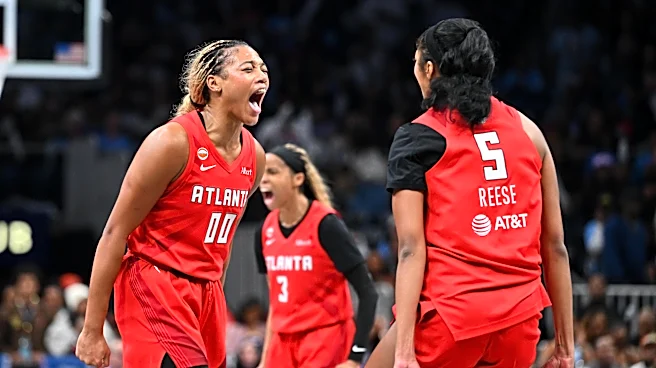
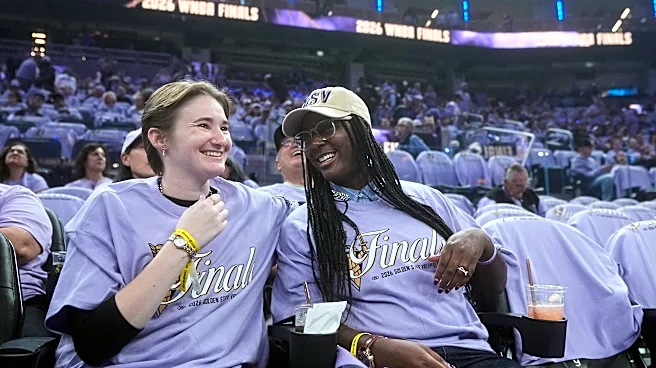
The Atlanta Dream will now travel to San Francisco for the decisive Game 7 against the Golden State Valkyries at 'Ballhalla,' Chase Center. The Dream players, including Jordin Canada and Rhyne Howard, expressed confidence and a commitment to maintaining their energy and strategic execution from Game 6. They acknowledge the challenge of playing in a hostile environment but believe in their team's unity. Golden State Valkyries head coach Natalie Nakase is expected to make her own adjustments to counter the Dream's newfound rhythm, particularly on defense, after her team's defensive identity was challenged in Game 6. The final game will determine the 2026 WNBA champion, with both teams aiming to make history by securing their franchise's first title.
Beyond the Headlines
The Dream's successful mid-series adjustments offer a valuable case study in sports psychology and team dynamics, demonstrating how collective problem-solving and trust in coaching can turn the tide in a championship series. The emphasis on 'energy' and 'playing for each other' by the Dream players points to the intangible factors that often differentiate winning teams, especially in high-pressure situations. This narrative extends beyond basketball, illustrating principles of resilience and strategic adaptation applicable in various competitive fields. The WNBA's ability to produce such compelling and strategically rich series further solidifies its position as a premier professional sports league, challenging any lingering perceptions of it being a lesser product compared to its male counterparts.