



What's Happening?
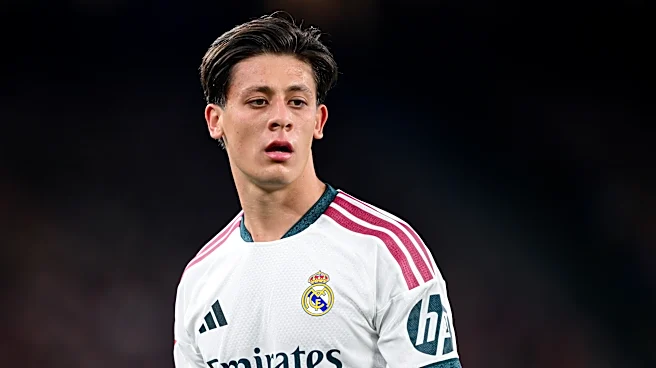
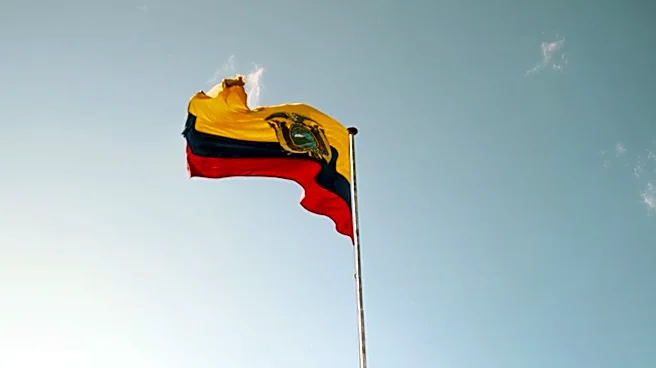
Emilio Butragueño, director of Institutional Relations at Real Madrid, recently hosted María José Pinto, the Vice President of the Republic of Ecuador, at Ciudad Real Madrid. The meeting aimed to reinforce the collaborative ties between Ecuador and the Real Madrid Foundation.
This visit follows a newly signed four-year agreement between the Real Madrid Foundation and the Ecuadorian government. This agreement, involving Ecuador's Ministry of Education, Sports, and Culture, along with the Ecuadorian Electric Corporation (CELEC EP), is designed to implement a national training program for education and sports professionals. Annually, 350 physical education teachers from public schools in Ecuador will receive training based on the Foundation's socio-educational methodology. The partnership between the Real Madrid Foundation and Ecuador dates back to 2010, with four social sports schools currently operating in Quito, Guayaquil, Manta, and Pile-Montecristi, benefiting nearly 500 children and young people through sports-based educational programs.
Why It's Important?
This strengthened partnership signifies a significant investment in youth development and education within Ecuador, utilizing sports as a key tool for social inclusion and value-based learning. The training program for 350 physical education teachers annually will enhance the quality of sports education across public schools, potentially impacting thousands of students over the agreement's duration. By integrating the Real Madrid Foundation's socio-educational methodology, Ecuador aims to foster holistic development among its youth, promoting values such as teamwork, respect, and discipline through sports. This initiative also highlights the growing trend of international sports organizations collaborating with national governments to address social and educational challenges, leveraging their brand and expertise for broader community benefit. For Ecuador, it represents an opportunity to improve its educational infrastructure and provide structured extracurricular activities for its younger population.
What's Next?
The immediate next step will be the implementation of the national training program for physical education teachers, with the first cohort of 350 educators expected to begin their training. Both the Real Madrid Foundation and the Ecuadorian government will likely monitor the program's effectiveness and explore further avenues for cooperation, as indicated during the meeting. This could include expanding the number of social sports schools or introducing new initiatives based on the success of the current programs. The four-year agreement provides a stable framework for sustained collaboration, suggesting a long-term commitment to these educational and social development goals. Future discussions may also focus on integrating more local stakeholders and resources to ensure the sustainability and broader reach of these programs across Ecuador.
Beyond the Headlines
This collaboration extends beyond typical sports sponsorships, delving into fundamental social development and educational reform. It underscores the potential of global sports brands to act as catalysts for positive change in developing nations, offering not just financial aid but also pedagogical expertise and structured programs. The focus on training local educators ensures a sustainable impact, building local capacity rather than relying solely on external intervention. This model could serve as a blueprint for other international organizations looking to contribute to global development goals, emphasizing skill transfer and long-term community empowerment. Furthermore, it subtly enhances Real Madrid's global brand image as a socially responsible entity, aligning its commercial success with philanthropic endeavors and fostering goodwill in key international markets.