




What's Happening?
The U.S. is experiencing renewed trade policy uncertainty and rising tariff rates, particularly impacting imports from Canada. Following a February 2026 U.S. Supreme Court ruling that relaxed some tariffs, rates on Canadian imports have climbed to nearly
3.2 percent in August. This contrasts with an average tariff rate for imports from other countries, which peaked at 11.7 percent in September 2025 before settling at over 7 percent. Tariffs on AI-intensive imports, such as computers and network equipment, initially dropped to just over 1 percent after the ruling but have recently begun to tick up, accelerating faster than non-AI intensive imports. This resurgence in tariffs is contributing to increased costs for U.S. businesses and consumers, with research indicating that roughly half of import and producer price increases are passed on to consumers. The Federal Reserve's Beige Book has noted that manufacturers are raising prices due to high fuel costs and tariffs, and new construction projects face delays due to tariff uncertainty.
Why It's Important?
The escalating tariffs pose a significant threat to U.S. economic growth and stability. Direct costs from tariffs are largely passed down to consumers, leading to higher retail prices and contributing to inflationary pressures. This could prompt the Federal Reserve to further raise interest rates, increasing borrowing costs and potentially stifling investments across the U.S. economy. Industries reliant on imports, including the burgeoning AI sector, face both direct tariff costs and an 'uncertainty cost,' as firms delay new projects due to unpredictable trade policies. The AI build-out, a major driver of recent economic activity, is particularly vulnerable, as rising tariffs on AI-intensive imports and increased borrowing costs could hinder its growth. Furthermore, the trade tensions with Canada and potential actions against countries like Mexico, Vietnam, Thailand, and Malaysia for alleged transshipments could disrupt supply chains for AI-related components, impacting the industry's financial health and the broader economy.
What's Next?
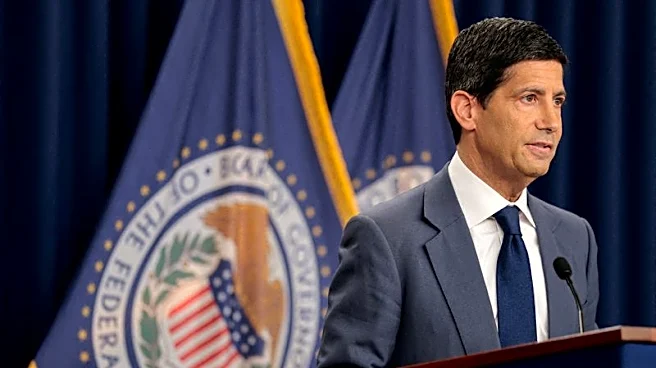
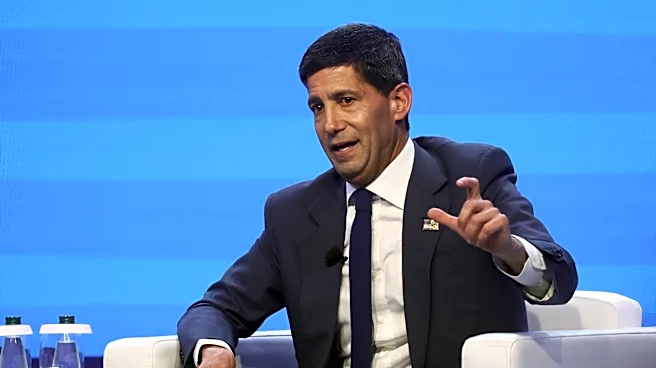
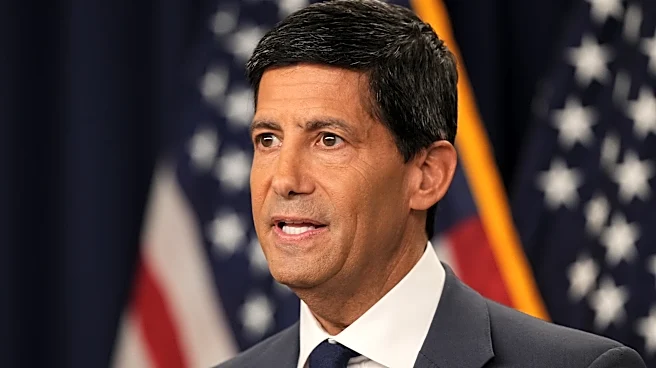
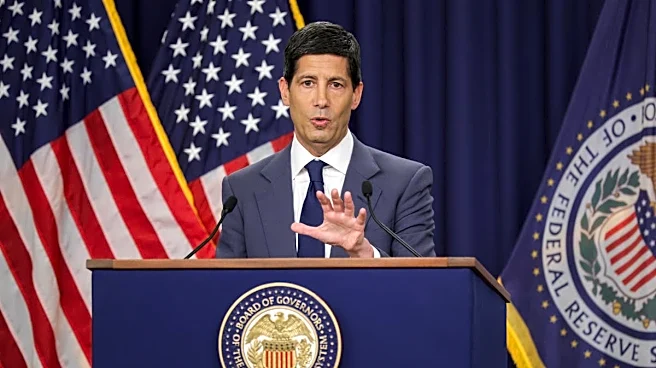
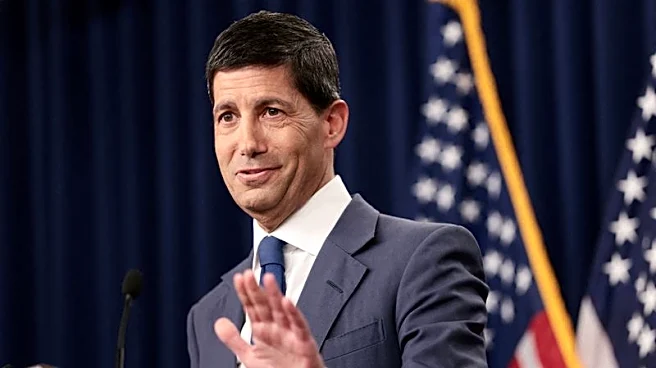
The incoming 120th U.S. Congress in 2027 will have opportunities to address the rising tariff costs and trade policy uncertainty. Potential actions include providing oversight on tariff creation and enforcement, passing legislation to limit the Executive Branch's authority in enacting tariffs, and pursuing comprehensive industrial strategy policymaking. Without such policy corrections, the current tariff trajectory is expected to deepen policy uncertainty, increase costs for U.S. businesses and households, and potentially slow the growth of the AI industry and other economic sectors. The Federal Reserve, under Chair Kevin Warsh, has signaled a commitment to returning U.S. inflation to 2 percent, and further interest rate hikes are anticipated if inflationary pressures persist, which could be exacerbated by continued tariff escalations.
Beyond the Headlines
The current trade policy environment highlights a deeper tension between executive power and economic stability. The Trump administration's approach to global trade, characterized by unilateral tariff actions, has created a self-imposed political crisis that undermines its own economic goals. The ability of larger firms to mitigate direct tariff costs through lobbying and compliance, compared to smaller businesses, raises questions about fairness and equitable impact. The potential for a financial bubble in the AI sector, coupled with rising borrowing costs and tariff uncertainties, could have far-reaching consequences for the U.S. economy. The ongoing debate over trade policy also underscores the need for a balanced approach that protects U.S. workers and strategic industries without unduly burdening consumers and innovative sectors like AI.