







What's Happening?
Florida is increasingly recognized as a prime location for wellness retreats, particularly for women over 50. The state offers a diverse range of options, from luxury spa resorts to nature-based experiences and medically supervised health and longevity
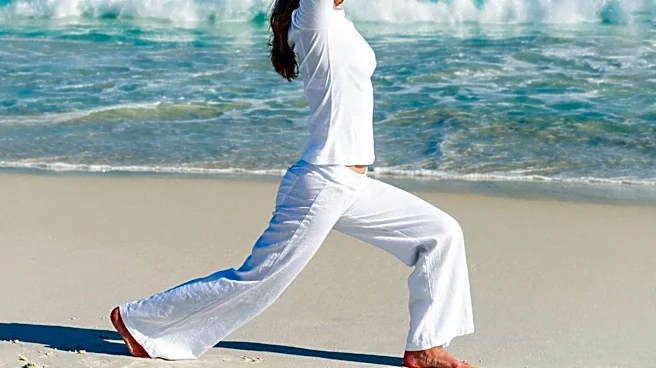
centers. For instance, the Pritikin Longevity Center in Doral provides a structured program with doctors, diagnostics, and bone-density and metabolic testing, focusing on long-term vitality. Other offerings include yoga and meditation retreats, as well as opportunities to explore natural springs like Rainbow Springs and Weeki Wachee Springs for swimming, snorkeling, and paddling. The appeal of Florida for these retreats stems from its warm climate, accessibility, and varied landscapes, which allow for personalized wellness experiences ranging from pure pampering to nature immersion.
Why It's Important?
The growth of wellness retreats in Florida signifies a broader trend in the U.S. towards health-conscious tourism and personalized well-being experiences, especially for an aging demographic. The availability of medically supervised retreats, such as the Pritikin Longevity Center, highlights a shift towards integrating clinical health assessments with traditional wellness practices. This trend can have significant implications for the healthcare and tourism industries, creating new revenue streams and specialized services. For individuals, these retreats offer opportunities for health resets, stress reduction, and the adoption of healthier lifestyles. The focus on women over 50 also addresses a specific market need, providing tailored programs that cater to their unique health and wellness requirements, potentially leading to improved public health outcomes and a more active senior population.
What's Next?
The demand for wellness retreats in Florida is expected to continue growing, leading to further development of specialized programs and facilities. This could include an expansion of medically integrated retreats, offering more advanced diagnostics and personalized health plans. Additionally, there may be an increase in retreats focusing on specific health concerns relevant to the over-50 demographic, such as bone health, metabolic balance, and stress management. The state's natural attractions, like its springs and beaches, will likely be further leveraged to enhance the retreat experience, combining outdoor activities with structured wellness programs. This trend may also encourage other U.S. states with favorable climates and natural resources to develop similar wellness tourism initiatives, fostering competition and innovation in the sector.
Beyond the Headlines
The rise of wellness retreats, particularly those with a medical component, reflects a deeper societal shift towards proactive health management and longevity. This movement challenges traditional views of aging by promoting active and healthy lifestyles well into later life. Ethically, the integration of medical supervision into retreats raises questions about accessibility and affordability, as these specialized programs can be costly. However, they also offer a model for preventative care that could potentially reduce long-term healthcare burdens. Culturally, these retreats foster a community among participants, particularly women, providing spaces for shared experiences and mutual support in their wellness journeys. This trend underscores a growing recognition of the interconnectedness of physical, mental, and emotional well-being, moving beyond mere relaxation to comprehensive health optimization.