





What's Happening?
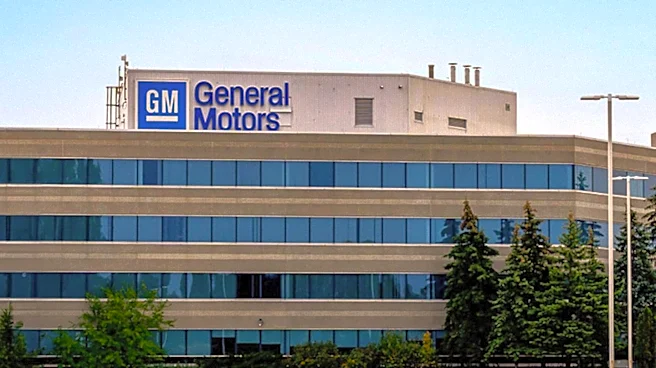
General Motors is actively recruiting a Principal Systems Engineer specializing in AV Sensor Design. This role is crucial for the development of hands-off and eyes-off autonomous driving systems intended for widespread deployment in consumer vehicles.
The selected engineer will lead the technical direction of lidar technology, from system-level decisions within multi-modality sensing suites to detailed evaluations of production pathways. This involves driving the technology path for optical components, signal processing, calibration, and failure modes, ensuring lidars integrate effectively with autonomy products to achieve performance and cost-effective programs. The position requires collaboration with component, perception, localization, simulation, and vehicle teams to implement these technologies in consumer vehicles. GM's broader vision is to achieve 'Zero Crashes, Zero Emissions, and Zero Congestion,' with this role directly contributing to the 'Zero Crashes' objective through advanced safety features.
Why It's Important?
This recruitment highlights General Motors' significant investment and strategic focus on advancing autonomous vehicle technology. The development of robust and reliable lidar systems is a cornerstone for achieving higher levels of autonomous driving, directly impacting vehicle safety and performance. By seeking a principal engineer to lead lidar technology, GM aims to solidify its position in the competitive autonomous vehicle market. Success in this area could lead to safer roads, reduced traffic accidents, and enhanced driving experiences for consumers. Furthermore, the ability to integrate these advanced sensors cost-effectively will be critical for mass adoption, influencing the broader automotive industry's trajectory towards fully autonomous vehicles. This initiative also underscores the growing demand for specialized engineering talent in the automotive tech sector, reflecting a broader industry shift towards software-defined vehicles and advanced driver-assistance systems.
What's Next?
The successful candidate will be instrumental in shaping the future of GM's autonomous vehicle sensor technology. Their immediate tasks will involve defining the technical strategy for lidar development across current and future autonomy programs, leading trade studies that balance performance, cost, and integration, and working with production teams and vendors to bring these technologies to fruition. This will involve defining lidar performance requirements to achieve next-generation autonomy capabilities with robustness across diverse operating conditions. The ongoing development and integration of these advanced sensor systems will likely lead to further testing and validation phases, potentially culminating in the introduction of new vehicle models with enhanced autonomous features. The progress in this area will also influence GM's partnerships with technology providers and its overall competitive strategy in the rapidly evolving autonomous driving landscape.
Beyond the Headlines
The pursuit of advanced lidar technology by General Motors extends beyond mere product development; it touches upon fundamental shifts in transportation and societal expectations. The drive for 'Zero Crashes' through sophisticated sensor arrays like lidar represents a commitment to public safety that could redefine urban planning, insurance models, and even legal frameworks surrounding vehicle autonomy. As vehicles become more capable of sensing and reacting to their environment, ethical considerations regarding decision-making algorithms in critical situations will become more prominent. Moreover, the successful integration of these complex systems at scale will necessitate advancements in manufacturing processes, supply chain management, and cybersecurity to protect against potential vulnerabilities. This technological push by GM is part of a larger industry-wide transformation that promises to reshape how people interact with transportation, potentially leading to increased accessibility for individuals who cannot drive and a reduction in human error-related accidents.