










What's Happening?
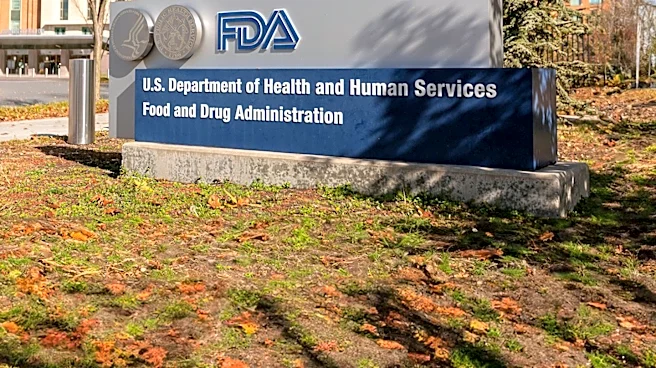
The U.S. Food and Drug Administration (FDA) has initiated a pilot program called PreCheck, aimed at accelerating the review process for new domestic pharmaceutical manufacturing facilities. Eli Lilly and Regeneron are among the first seven companies selected
to participate in this program. The initiative allows the FDA to begin reviewing facilities while they are still under construction, potentially saving companies up to 14 months in the approval process. This program is part of a broader effort to increase domestic drug production, a priority under the Trump administration. The selected companies, which also include Amneal, Cellares, Fujifilm Biotechnologies, Kriya Therapeutics, and Kyowa Kirin, are primarily focused on producing biologic drugs or genetic medicines, which require more complex manufacturing processes.
Why It's Important?
The PreCheck program represents a significant shift in how pharmaceutical manufacturing facilities are approved in the U.S., potentially reducing the time it takes to bring new drugs to market. This could enhance the country's ability to produce essential medications domestically, reducing reliance on foreign manufacturing and improving access to therapies for unmet medical needs. The program is particularly relevant for biologic drugs and genetic medicines, which are increasingly important in treating complex diseases. By expediting the review process, the FDA aims to address market supply gaps and improve the availability of critical therapies, benefiting both the healthcare industry and patients.
What's Next?
As the PreCheck program progresses, participating companies will continue constructing their facilities under the FDA's guidance. The success of this pilot could lead to broader implementation, potentially transforming the pharmaceutical manufacturing landscape in the U.S. Stakeholders, including pharmaceutical companies and healthcare providers, will be closely monitoring the program's outcomes. If successful, the initiative could serve as a model for future regulatory processes, encouraging more companies to invest in domestic manufacturing capabilities.