



What's Happening?
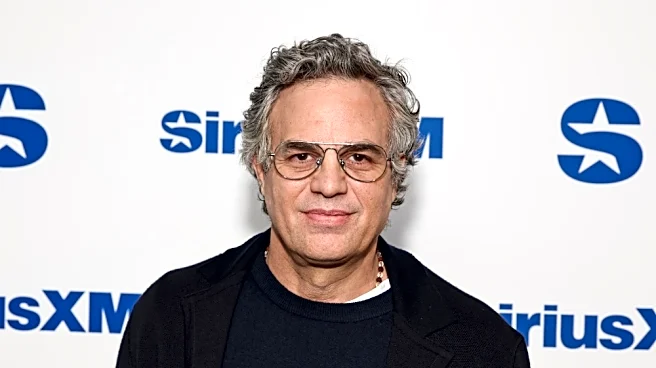
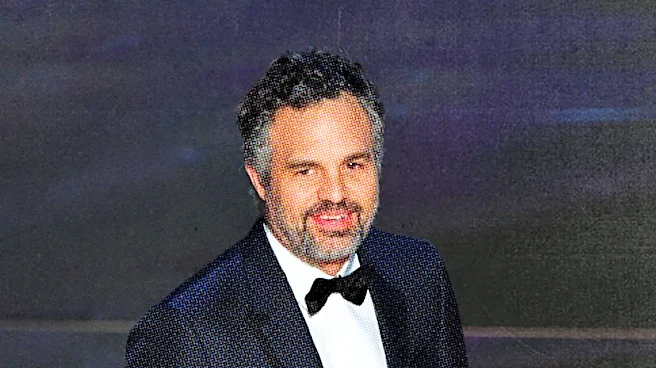
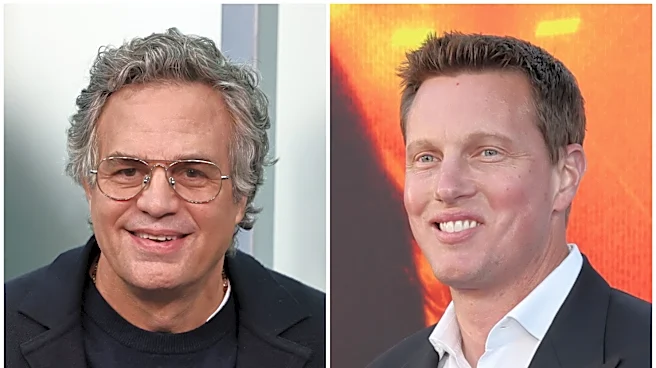
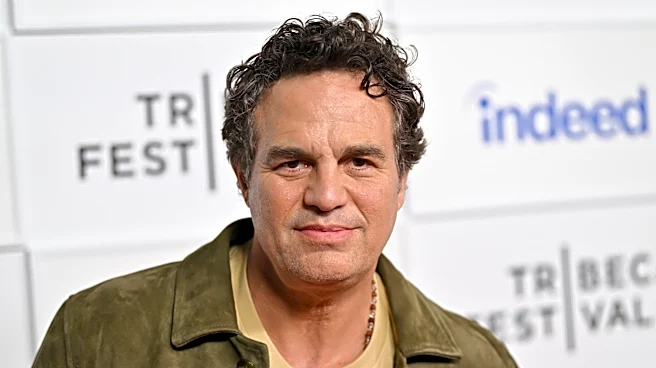
Actor Mark Ruffalo has publicly refuted accusations from Paramount Skydance that his criticism of their proposed $111 billion merger with Warner Bros Discovery (WBD) invoked 'antisemitic tropes.' Ruffalo's initial comments highlighted the involvement
of Oracle CEO Larry Ellison, whose company has supplied technology to the Israel Defense Forces, in backing the merger. Ruffalo expressed concerns that the merger, partly financed by Ellison, could lead to job losses, reduced competition in the entertainment industry, and the integration of 'scary technologies' into a major media conglomerate. He also criticized Oracle executive vice-chair Safra Catz's remarks about the technology provided to Israel. Paramount Skydance responded by stating they were 'troubled when antisemitic tropes are invoked in purported service of a business dispute,' which Ruffalo then countered by clarifying that his criticism was directed at specific actions and individuals, not Jewish people.
Why It's Important?
This dispute is significant as it intertwines a major corporate merger with sensitive geopolitical issues and accusations of antisemitism, impacting both the entertainment industry and public discourse. Ruffalo's criticism of the merger, particularly his focus on Oracle's role and its ties to Israel, brings a political dimension to a business transaction. The accusation of antisemitism by Paramount Skydance and Ruffalo's subsequent defense highlight the challenges of discussing the Israeli-Palestinian conflict in public forums without being misconstrued. The merger itself, if approved, would consolidate significant media power, potentially affecting content diversity, employment, and editorial independence across major news and entertainment outlets like CNN, HBO, and CBS. The ongoing legal challenge from 12 U.S. states on antitrust grounds further underscores the broad implications of this deal for market competition and consumer choice.
What's Next?
The merger remains on hold as a federal judge considers a lawsuit from a coalition of 12 U.S. states challenging the deal on antitrust grounds. This legal process will determine the future of the proposed $111 billion transaction. If the merger does not close by September 30, Paramount Skydance could face substantial daily fees to Warner Bros shareholders. Meanwhile, the public debate surrounding Ruffalo's comments and Paramount Skydance's response may continue, potentially influencing public perception of both the merger and the individuals involved. The Simon Wiesenthal Center has praised Paramount's stance, indicating that the issue has resonated with human rights organizations. The outcome of the antitrust lawsuit will be a critical determinant for the future landscape of the U.S. media industry.
Beyond the Headlines
This incident delves into the complex interplay between corporate power, celebrity activism, and geopolitical conflicts. Ruffalo's use of his platform to critique the merger and its financial backing raises questions about the ethical responsibilities of corporations and the influence of technology companies in global affairs. The accusation of 'antisemitic tropes' and Ruffalo's clarification underscore the delicate nature of discussions surrounding Israel and the potential for misinterpretation or weaponization of such accusations. It also highlights the broader societal debate on freedom of speech versus the prevention of hate speech. The potential consolidation of media power through this merger could have long-term implications for journalistic integrity, editorial control, and the diversity of voices in the media landscape, prompting concerns about the concentration of influence in the hands of a few powerful entities.