






What's Happening?
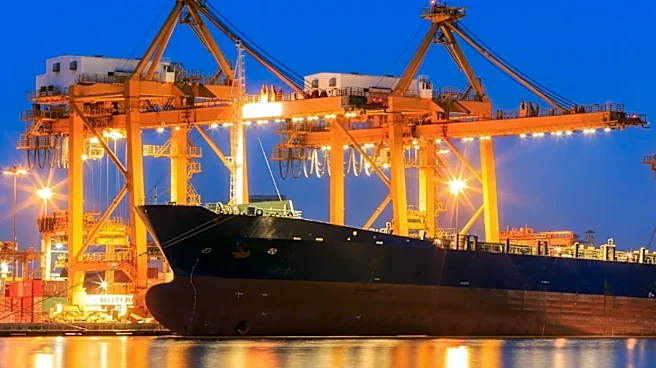
The North American Maritime Logistics market is experiencing significant growth, propelled by the expansion of e-commerce globalization and a shift towards reshoring manufacturing. This market, anchored by major players like A.P. Moller-Maersk and CMA
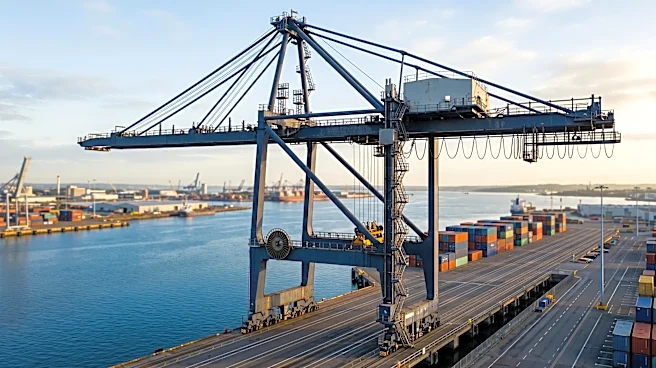
CGM in the United States, benefits from robust port infrastructure along the East and Gulf Coasts. Key growth drivers include the increasing use of mega-vessels, advancements in port automation, and the integration of digital platforms for real-time tracking of cargo. Emerging trends in the sector emphasize green shipping, with a focus on dual-fuel engines utilizing LNG and methanol to comply with emissions regulations, alongside the development of autonomous navigation systems. U.S. government policies, such as the Jones Act and various tariff frameworks, play a crucial role in shaping cargo flows within the region. The market's economic impact is substantial, largely driven by retail imports and energy exports.
Why It's Important?
The growth in North American maritime logistics is critical for the U.S. economy, directly impacting supply chain efficiency, trade costs, and manufacturing strategies. The emphasis on e-commerce globalization means that consumers and businesses across the U.S. rely heavily on these maritime operations for timely and cost-effective delivery of goods. The trend of reshoring, where companies bring manufacturing back to the U.S., further increases the demand for efficient port services and coastal shipping to manage raw material imports and finished product exports. Investments in port automation and digital platforms are vital for enhancing operational speed and reducing logistical bottlenecks, which can lower costs for businesses and ultimately for consumers. The push for green shipping technologies, such as LNG and methanol dual-fuel engines, is important for meeting environmental regulations and reducing the carbon footprint of U.S. trade, aligning with broader sustainability goals and potentially influencing international shipping standards.
What's Next?
The North American maritime logistics sector is expected to continue its trajectory of growth and technological advancement. Future developments will likely include further integration of AI-driven predictive analytics to optimize vessel turnaround times and the deployment of IoT sensors for real-time cargo condition tracking. The industry will also see increased adoption of blockchain technology to enhance transparency in documentation. Challenges such as port congestion, cybersecurity vulnerabilities, and aging infrastructure will require ongoing investment and collaborative governance. Stakeholders are anticipated to focus on developing interoperable digital twins, standardizing data-sharing protocols, and implementing hybrid propulsion retrofits. Public-private partnerships will be essential for funding smart port upgrades and ensuring the workforce is reskilled to meet the demands of an increasingly automated and digitized maritime industry. The market will also need to adapt to evolving U.S. government policies and international trade agreements.
Beyond the Headlines
Beyond the immediate economic and operational impacts, the evolution of North American maritime logistics carries deeper implications for national security and environmental stewardship. The reliance on advanced digital platforms and automation introduces new cybersecurity risks, making the protection of critical port infrastructure and shipping data a paramount concern. The shift towards green shipping technologies not only addresses environmental regulations but also positions the U.S. as a leader in sustainable trade practices, potentially influencing global maritime standards and fostering innovation in clean energy solutions. Furthermore, the strategic importance of robust port infrastructure and efficient supply chains is underscored by geopolitical considerations, as they are vital for national resilience in times of crisis or disruption. The ongoing modernization efforts reflect a broader societal commitment to balancing economic growth with environmental responsibility and technological security.