






What's Happening?
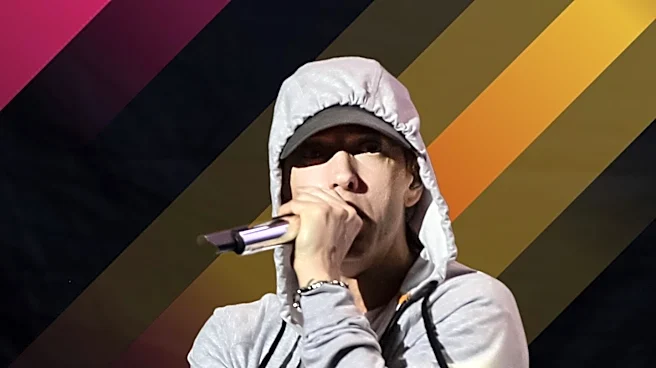
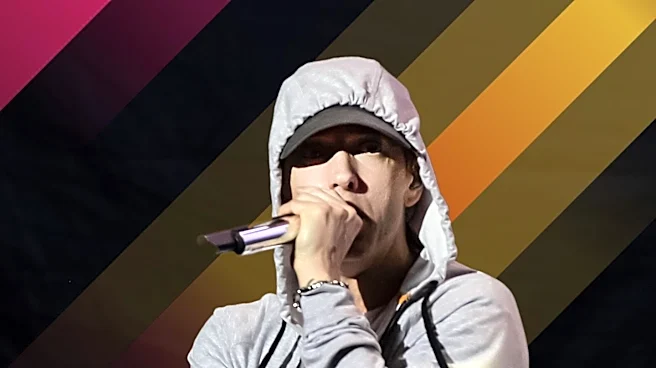
The term 'Stan,' widely used to describe overly obsessive fans, originated from rapper Eminem's song of the same name released in the early 2000s. The song depicts a fictional fan who becomes dangerously obsessed with Eminem, ultimately leading to tragic
consequences. This phenomenon, now known as 'Stan Culture,' describes fans who feel deeply connected to their idols, often investing significant time and emotion into these perceived relationships. This connection, amplified by social media and online platforms, can blur the lines between admiration and obsession. 'Stans' are characterized by behaviors that can include publicly dissecting celebrities' private lives, persistently approaching them or their loved ones, interfering in their affairs, sexualizing artists, and in severe cases, sending hate messages or death threats. The term itself is a portmanteau of 'stalker' and 'fan,' highlighting the extreme nature of this fan behavior.
Why It's Important?
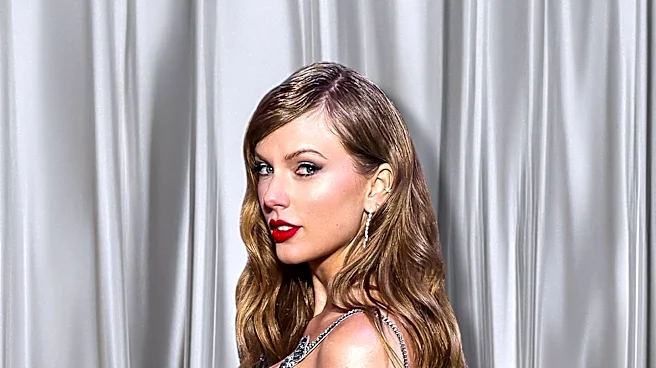
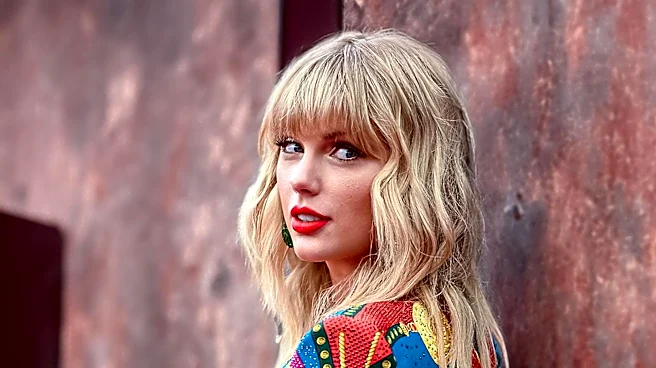
The emergence and widespread adoption of 'Stan Culture' highlight significant shifts in fan-celebrity dynamics, particularly with the rise of social media. This phenomenon underscores the potential for parasocial relationships—one-sided interactions where fans feel a deep connection to a celebrity who is unaware of their existence—to escalate into unhealthy and even dangerous obsessions. The impact extends beyond individual fans and celebrities, influencing public discourse around celebrity privacy, online harassment, and mental health. The intense scrutiny and pressure from 'Stans' can force celebrities to address fan behavior directly or even withdraw from public platforms, as seen with rapper Cupcakke and Selena Gomez. Furthermore, internal conflicts within fan groups, such as the 'Gaylors' and 'Anti-Gaylors' among Taylor Swift's fanbase, demonstrate how 'Stan Culture' can foster division and online bullying, sometimes leading to severe real-world consequences like doxing or social media account suspensions. This cultural shift necessitates a broader conversation about the responsibilities of both fans and public figures in navigating these increasingly complex digital interactions.
What's Next?
As 'Stan Culture' continues to evolve with technological advancements and the increasing interconnectedness of social media, there will likely be ongoing discussions and efforts to address its more problematic aspects. Celebrities and their teams may implement stricter guidelines for fan interactions, potentially utilizing legal avenues to combat harassment and threats. Social media platforms could face increased pressure to develop and enforce policies that protect public figures from extreme 'Stan' behavior, including cyberbullying and the dissemination of private information. Educational initiatives aimed at promoting healthier fan engagement and recognizing the signs of obsessive behavior might also become more prevalent. Furthermore, the psychological community may continue to research and provide insights into the underlying factors contributing to parasocial relationships and their potential for escalation, offering guidance for both individuals and the broader entertainment industry. The ongoing challenge will be to balance genuine fan enthusiasm with the need to prevent harmful and intrusive behaviors.
Beyond the Headlines
The phenomenon of 'Stan Culture' delves into deeper ethical and psychological implications concerning the nature of celebrity, fandom, and digital interaction. Ethically, it raises questions about the boundaries of public figures' privacy in an age where personal lives are often perceived as public domain. The expectation that celebrities owe their fans constant access and engagement can lead to a sense of entitlement among 'Stans,' blurring the lines between admiration and ownership. Psychologically, 'Stan Culture' highlights the complexities of parasocial relationships, where individuals form intense, one-sided bonds with media figures. While these relationships can offer comfort and a sense of community, they can also become detrimental when they replace real-world connections or lead to obsessive behaviors. The tragic case of Mina, an ENHYPEN fan who died by suicide after cyberbullying from other fans, underscores the severe mental health consequences that can arise from the pressures and toxicity within 'Stan Culture'. This incident, and others like it, prompt a critical examination of how online communities can foster both connection and extreme hostility, and the collective responsibility to cultivate healthier digital environments.