








What's Happening?
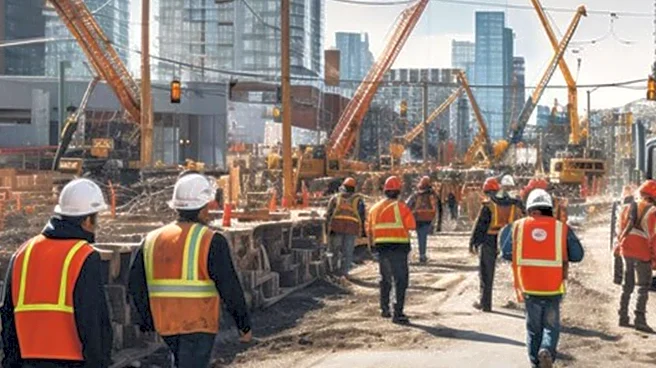
The U.S. construction industry is experiencing significant upward pressure on costs, primarily driven by a persistent 'skills gap' and the increasing expense of skilled labor. As older, experienced tradespeople retire, fewer young workers are entering
the skilled trades, leading to a scarcity of qualified professionals. This shortage is reflected in the Building Cost Index (BCI), which specifically tracks skilled labor components like bricklayers, carpenters, and structural ironworkers. Unlike the Construction Cost Index (CCI), which focuses on common labor, the BCI highlights the impact of skilled labor rates on vertical building projects such as commercial real estate and industrial facilities. Union negotiations also play a crucial role, with new multi-year contracts often including substantial wage increases that are immediately reflected in the index, establishing a higher baseline for construction pricing. This trend indicates that even if material costs fluctuate, the rising cost of skilled labor continues to drive overall construction expenses upward.
Why It's Important?
The rising cost of skilled labor in the construction sector has broad implications for the U.S. economy, affecting real estate developers, contractors, and ultimately, consumers. For developers and contractors, increased labor costs directly impact project budgets and profitability, necessitating the inclusion of 'escalation clauses' in contracts to mitigate risk. These clauses, often tied to indices like the ENR, allow for price adjustments if costs exceed certain thresholds, ensuring fairness between parties. The long-term planning of large-scale projects, such as hospitals and airports, also relies heavily on these indices to project future costs accurately and secure adequate financing. Furthermore, the 'skills gap' itself poses a challenge to the nation's infrastructure development and economic growth, as a shortage of skilled tradespeople can delay projects, increase construction timelines, and hinder the ability to meet demand for new buildings and infrastructure. This situation underscores the critical need for initiatives to attract and train new talent in the skilled trades to ensure the industry's sustainability.
What's Next?
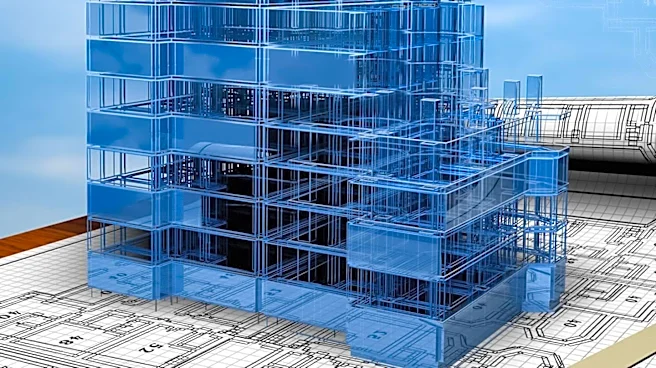
The construction industry will likely continue to grapple with the skilled labor shortage and its associated cost increases. Stakeholders, including contractors, developers, and policymakers, may need to explore strategies to address the 'skills gap,' such as investing in vocational training programs, promoting apprenticeships, and encouraging younger generations to pursue careers in the trades. Union negotiations will remain a key factor in determining labor costs, and their outcomes will continue to influence the ENR index and overall project pricing. The adoption of new technologies, such as Building Information Modeling (BIM) and modular construction, could also play a role in optimizing labor utilization and potentially mitigating some cost pressures, though initial investments and the need for specialized workers in these areas will also be a consideration. Additionally, the ongoing monitoring of regional variations in labor costs will be crucial for accurate bidding and project management, as local market dynamics can significantly diverge from national trends.
Beyond the Headlines
Beyond the immediate financial implications, the skilled labor shortage in construction highlights a broader societal challenge regarding workforce development and the perception of vocational careers. The decline in young workers entering the trades suggests a cultural shift away from manual labor, potentially influenced by an emphasis on four-year college degrees. This trend not only impacts the construction industry but also raises questions about the future of essential services and infrastructure maintenance. Addressing this issue requires a re-evaluation of educational pathways and a greater appreciation for the value of skilled trades. The long-term consequences could include a less resilient workforce, increased reliance on foreign labor, and a potential decline in the quality and efficiency of construction projects. Furthermore, the reliance on indices like the ENR for contract adjustments underscores the increasing complexity of risk management in a volatile economic environment, pushing for more sophisticated financial and contractual frameworks in the industry.