




What's Happening?
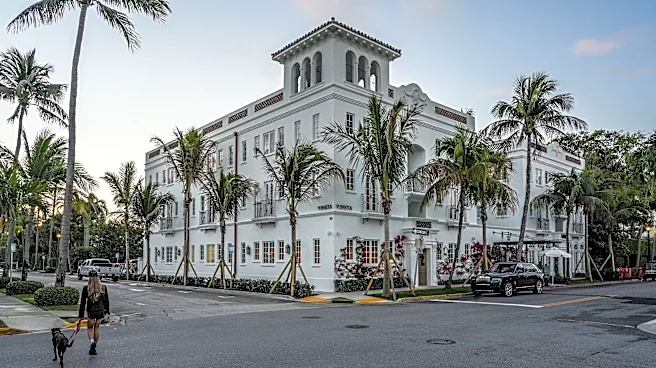
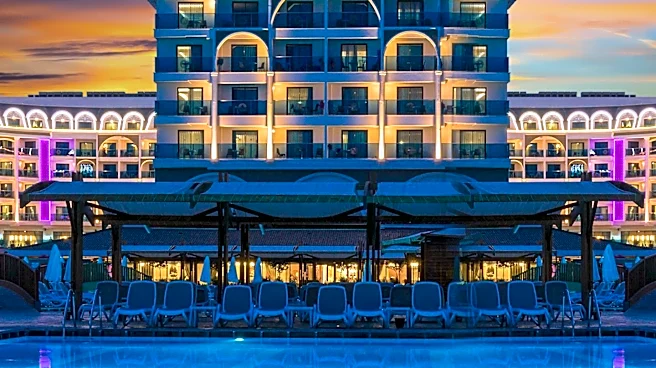
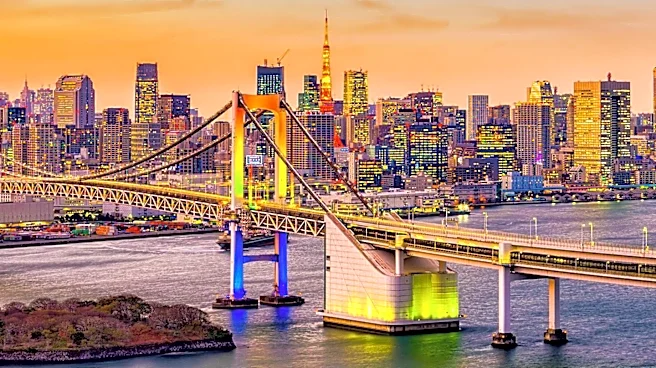
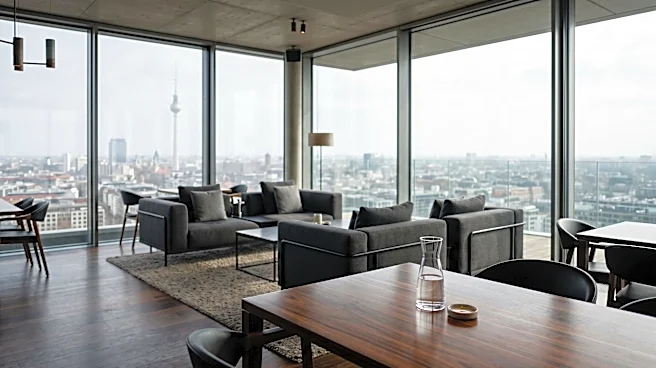
Vignette Collection, a luxury hotel brand launched in 2021, is significantly expanding its presence across Greater China. This year, the collection is adding new hotels in key cities including Chengdu, Chongqing, Shanghai, Beidaihe, Qiandao Lake, and Sanya.
This follows the recent addition of The Hari Hong Kong to its portfolio. The new properties are designed to offer unique guest experiences, often incorporating local culture and heritage. For instance, TFT Chongqing, Vignette Collection, features bridge-related details in its interiors, referencing Chongqing's designation as the 'Bridge City.' THE ONE Shanghai Downtown, Vignette Collection, integrates Shanghai's Art Deco heritage and collaborates with a local art center to connect guests with the city's creative scene. Shanghai Snow World Hotel, Vignette Collection, located within the Shanghai L+SNOW Indoor Skiing Theme Resort, offers aprés-ski gatherings. Resea Hotel Beidaihe, Vignette Collection, provides a sunrise ritual, while Palm Springs Hotel Chengdu, Vignette Collection, focuses on local traditions like Shu embroidery and fragrance-making. The Hari Hong Kong supports emerging local artists through The Hari Art Prize, and WM Hotel Hong Kong engages in marine conservation efforts.
Why It's Important?
This expansion by Vignette Collection into Greater China signifies a growing demand for luxury hospitality experiences in the region. For the U.S. hospitality industry, this trend highlights the increasing global competition and the need for brands to differentiate themselves through unique cultural integration and experiential offerings. As U.S. travelers increasingly seek authentic and immersive experiences abroad, the success of brands like Vignette Collection in tailoring their offerings to local contexts could influence future strategies for U.S.-based luxury hotel chains looking to attract international clientele or expand their global footprint. The focus on local art, heritage, and community engagement in these new properties also reflects a broader shift in luxury travel, where guests prioritize meaningful connections and cultural immersion over generic high-end amenities. This could prompt U.S. hotels to re-evaluate their own approaches to local partnerships and guest programming to remain competitive in the evolving global luxury market.
What's Next?
Vignette Collection plans to continue its growth trajectory, with 41 properties currently in its pipeline globally, in addition to its existing 27 hotels across 17 countries. The brand's strategy of integrating local culture and providing unique experiences is likely to be a continuing focus. Future developments may include further partnerships with local artists, cultural institutions, and community organizations to enhance guest engagement and provide authentic regional experiences. The success of these new hotels in Greater China will likely inform future expansion decisions and design philosophies for Vignette Collection and potentially other luxury hospitality brands. The emphasis on distinct local narratives and experiences suggests a move away from standardized luxury, indicating that future growth in the sector will prioritize bespoke and culturally rich offerings to cater to discerning travelers.
Beyond the Headlines
The expansion of Vignette Collection in Greater China reflects a deeper trend in the luxury travel market: the desire for 'experiential luxury.' This goes beyond opulent accommodations to encompass immersive cultural engagements, personalized services, and a sense of place. The brand's efforts to incorporate local art, history, and community initiatives into its properties suggest a recognition that modern luxury consumers are increasingly seeking authenticity and social responsibility. This trend has ethical implications, as it encourages hotels to become more integrated with their local environments and contribute positively to local economies and cultures, rather than merely existing as isolated enclaves of wealth. It also highlights a cultural shift where travel is viewed not just as leisure, but as an opportunity for personal growth and connection with diverse communities. For the broader hospitality industry, this signals a need to move beyond traditional service models and embrace a more holistic approach to guest experience, one that values cultural exchange and local engagement.