






What's Happening?
Researchers at the USC Leonard Davis School of Gerontology have found a correlation between adherence to the Mediterranean diet and higher concentrations of two mitochondrial microproteins, humanin and SHMOOSE, in older adults. These microproteins have previously
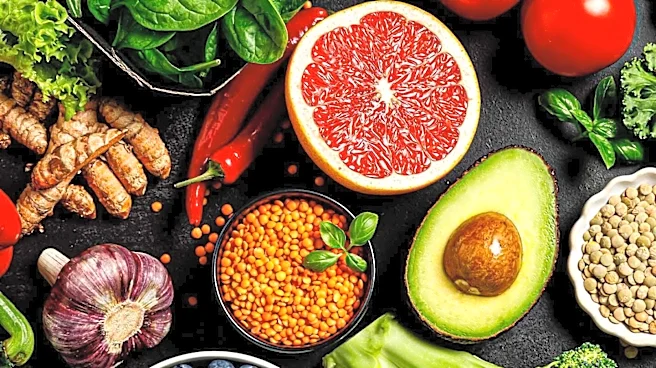
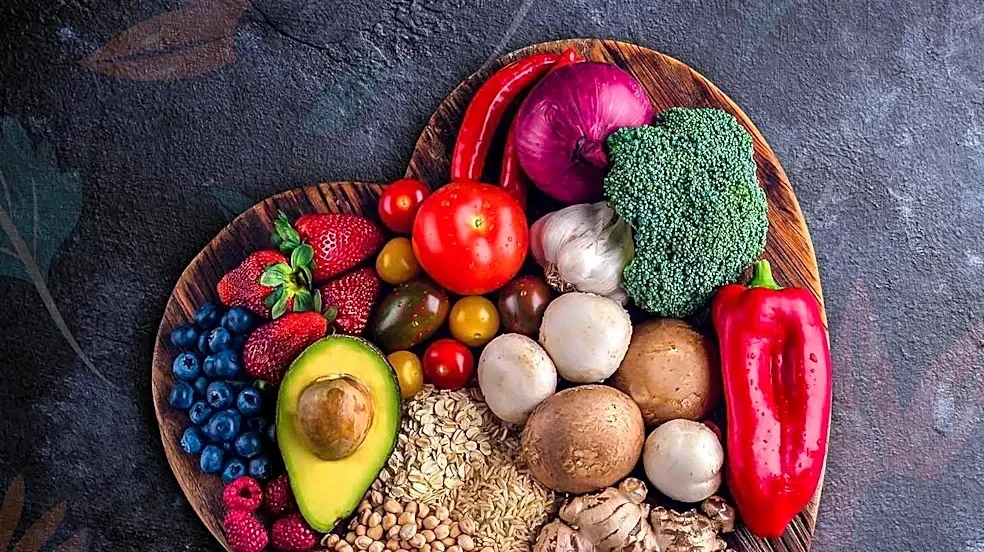
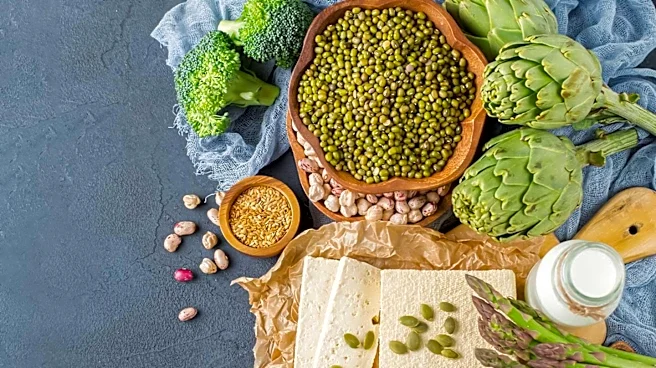
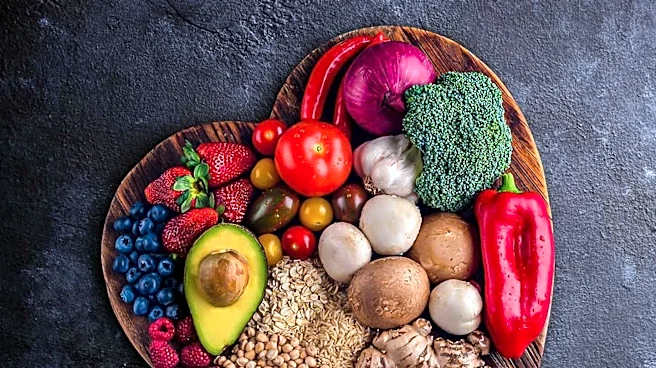
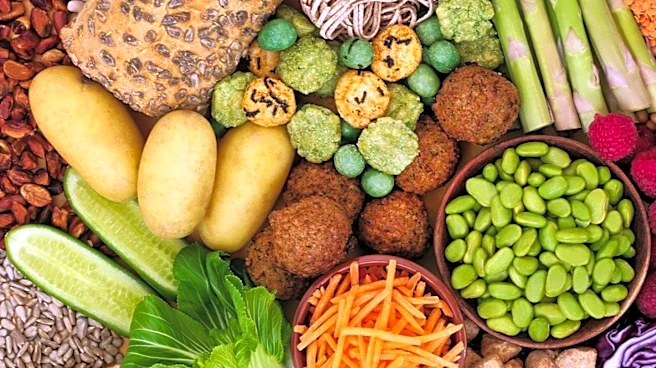
been associated with protection against cardiovascular disease and neurodegeneration. The study involved analyzing blood samples from participants whose diets varied in their adherence to Mediterranean principles. Those who followed the diet more closely exhibited elevated levels of humanin and SHMOOSE, as well as lower indicators of oxidative stress. Specifically, greater consumption of olive oil, fish, and legumes was linked to higher humanin levels, while olive oil consumption and reduced intake of refined carbohydrates were associated with increased SHMOOSE levels.
Why It's Important?
This research is important because it suggests a potential mechanism through which the Mediterranean diet may confer its widely recognized health benefits. Mitochondria are vital for cellular energy production and play a role in regulating metabolism and stress responses. Humanin, first identified in 2003, has been linked to improved insulin sensitivity, cardiovascular health, and cognitive function preservation. The observed association between higher humanin levels and lower activity of the Nox2 enzyme, which contributes to reactive oxygen species production, suggests that humanin might limit oxidative processes that damage blood vessels and tissues. This finding could lead to a deeper understanding of how dietary patterns influence cellular health and disease prevention, particularly in the context of aging and chronic conditions like cardiovascular disease and neurodegeneration.
What's Next?
While the study indicates a strong correlation, it was observational and small, meaning it does not definitively prove that the Mediterranean diet directly increases these microprotein levels or prevents cardiovascular disease. Future research will likely involve larger, interventional studies to establish a causal link between the Mediterranean diet, the microproteins humanin and SHMOOSE, and health outcomes. Further investigation into the specific biological pathways through which these microproteins exert their protective effects could also lead to the development of new therapeutic strategies for age-related diseases. Understanding these mechanisms could inform more targeted dietary recommendations and potentially lead to novel pharmaceutical interventions that mimic the beneficial effects of these microproteins.
Beyond the Headlines
The findings extend beyond simple dietary recommendations, delving into the intricate molecular mechanisms by which food impacts health. The focus on mitochondrial microproteins highlights the growing understanding of the role of mitochondria, often called the 'powerhouses of the cell,' in overall health and disease. This research underscores the concept of 'nutrigenomics,' where diet interacts with our genetic and cellular machinery to influence health outcomes. The emphasis on reducing refined carbohydrates and increasing olive oil, fish, and legumes aligns with broader public health messages about healthy eating. However, by identifying specific microproteins, the study provides a more granular view of how these dietary components might be working at a cellular level, potentially opening doors for personalized nutrition strategies based on an individual's microprotein profiles.