

What's Happening?
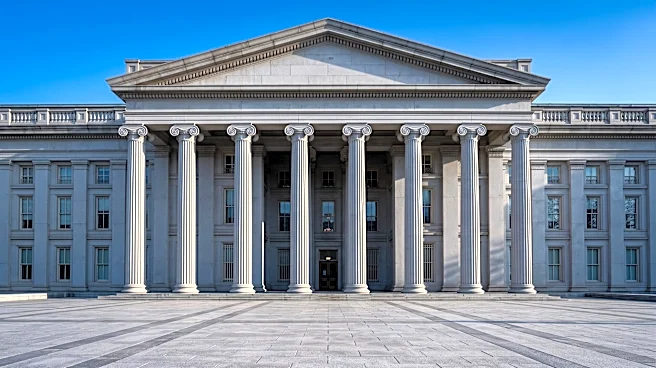
The Office of Foreign Assets Control (OFAC) has updated two General Licenses (GLs), 128C and 131J, pertaining to Lukoil International GmbH (LIG) and its majority-owned subsidiaries. These updates authorize certain transactions with LIG Entities, primarily
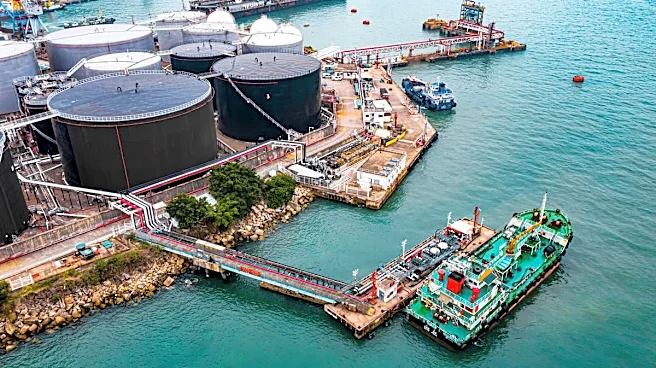
for maintenance, operation, and wind-down activities outside of the Russian Federation. GL 128C extends authorization for Lukoil retail automobile service stations outside Russia until October 29, 2026. GL 131J extends authorization for the maintenance and wind-down activities of all LIG Entities, including those related to divesting assets outside Russia to non-blocked parties, until October 22, 2026. Both GLs explicitly permit transactions undertaken in the ordinary course of business, such as the supply of motor fuel and lubricants, lease payments, insurance payments, property maintenance, employee payroll, and payments to suppliers, provided these transactions do not involve blocked persons other than the specified LIG Entities. A critical condition for both GLs is that no payments may be transferred to any person or account located in the Russian Federation.
Why It's Important?
These updated General Licenses are significant for mitigating the broader economic impact of sanctions on Lukoil, particularly for retail consumers and non-U.S. persons. By authorizing specific transactions outside of Russia, OFAC aims to allow for the continued operation and eventual divestment of Lukoil's non-Russian assets, thereby reducing disruption to global energy markets and local economies where these entities operate. The provisions for non-U.S. persons to engage in transactions with blocked persons under these GLs, without risking exposure to U.S. sanctions, provide clarity and reduce compliance burdens for international businesses. This approach reflects a strategic effort to target the Russian economy while minimizing collateral damage to the global supply chain and the operations of companies outside Russia. The explicit prohibition on transferring funds to Russia underscores the continued U.S. commitment to isolating the Russian financial system.
What's Next?
The authorizations provided by GL 128C and GL 131J are set to expire in October 2026, indicating a defined period for these activities. Businesses and financial institutions involved with LIG Entities will need to ensure their operations remain compliant with the terms of these licenses, especially the restriction on payments to Russia. As the expiration dates approach, OFAC may issue further guidance or extensions depending on the geopolitical landscape and the progress of Lukoil's divestment efforts. Non-U.S. persons and foreign financial institutions will continue to rely on these GLs to conduct business without incurring U.S. sanctions risk. The ongoing monitoring of these activities will be crucial to ensure that the sanctions' intent is maintained while allowing for necessary economic functions outside the sanctioned territory.
Beyond the Headlines
The issuance and updates of these General Licenses illustrate the nuanced approach of U.S. sanctions policy. Rather than imposing a blanket ban that could cause widespread economic disruption, OFAC employs targeted measures that allow for specific, controlled economic activities. This strategy aims to achieve foreign policy objectives—in this case, pressuring Russia—while minimizing unintended consequences for global markets and allied economies. The detailed nature of the authorized transactions, from payroll to property maintenance, highlights the complexity of disentangling a large multinational corporation from a sanctioned state. This approach also sets a precedent for how the U.S. might manage sanctions against other large, globally integrated entities in future geopolitical conflicts, balancing punitive measures with the need for global economic stability. The emphasis on preventing funds from reaching Russia underscores the core objective of financial isolation.