


What's Happening?
Queenstown, New Zealand, is solidifying its reputation as a top global travel destination, attracting both adventure seekers and luxury travelers. Known as the 'adventure capital of the world,' Queenstown originated jet boating in the 1960s and commercial
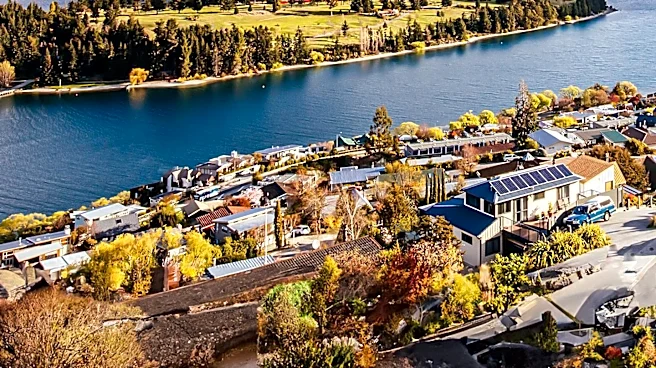
bungee jumping at the Kawarau Bridge in 1988. Beyond its adrenaline-pumping activities, the town offers a serene natural setting by Lake Wakatipu, nestled at the foot of the Remarkables mountain range. The area's first ski field, Coronet Peak, opened in 1947, drawing visitors for relaxation long before its adventure sports fame. The town maintains a friendly appeal despite significant commercial development and is consistently featured in top travel magazines. Queenstown's appeal extends across all four seasons, with summers ideal for outdoor activities, winters for skiing, autumn for vibrant foliage and wine harvests, and spring for garden tours and fewer crowds. The region also serves as a gateway to Fiordland National Park and Milford Sound, offering some of the world's most spectacular views.
Why It's Important?
Queenstown's sustained growth as a dual-purpose destination for both extreme sports and luxury tourism highlights a significant trend in the global travel industry. This diversification allows it to appeal to a broader demographic, ensuring economic stability and growth for the region. The emphasis on both high-octane activities and tranquil natural beauty positions Queenstown as a unique market leader, potentially influencing how other destinations develop their tourism strategies. The high demand for accommodation, particularly during peak seasons, indicates a robust tourism economy, though it also leads to higher prices compared to other parts of New Zealand. This economic vitality supports local businesses, from hospitality to adventure tour operators, and contributes to New Zealand's overall tourism revenue. The region's commitment to preserving its 'small-town soul' while embracing commercial development offers a model for sustainable tourism in popular areas.
What's Next?
Visitors planning a trip to Queenstown should anticipate continued high demand for accommodations and activities, necessitating advance bookings, especially during peak seasons. The New Zealand Electronic Travel Authority (NZeTA) is a mandatory requirement for most visitors, costing NZ$17-NZ$23 online, plus a NZ$100 International Visitor Conservation and Tourism Levy, valid for two years. Travelers are advised to apply at least 72 hours before departure. Transportation from Queenstown Airport (ZQN) to the town center is available via the Orbus public bus for NZ$2.50 with a Bee Card or NZ$10 cash, or by taxi for NZ$35-NZ$50. Parking in the town center remains limited, encouraging visitors to utilize public transport or activity-provided shuttles. New zoned Orbus fares are expected to take effect on November 1, 2026. The Milford Track, a popular hiking route, requires bookings far in advance, with hut places selling out rapidly upon release.
Beyond the Headlines
Queenstown's success in balancing its 'adventure capital' image with its 'small-town soul' presents a fascinating case study in destination branding and management. The town's ability to cater to diverse traveler segments—from backpackers seeking budget hostels to luxury travelers desiring high-end lodges—demonstrates a sophisticated approach to tourism. This dual appeal also raises questions about the long-term environmental and social impacts of such rapid development. The high cost of living and tourism, while beneficial for the local economy, could potentially price out local residents or alter the authentic character that initially attracted visitors. Furthermore, the emphasis on adventure sports necessitates stringent safety standards and specialized travel insurance, highlighting the inherent risks and the industry's responsibility to mitigate them. The region's natural beauty, particularly its proximity to Fiordland National Park, underscores the ongoing challenge of preserving pristine environments amidst increasing tourist traffic.