




What's Happening?
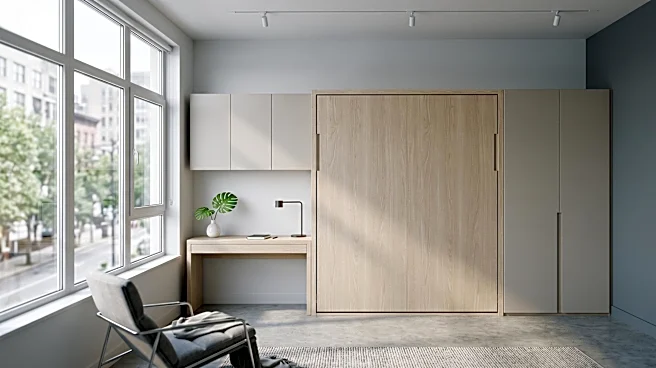
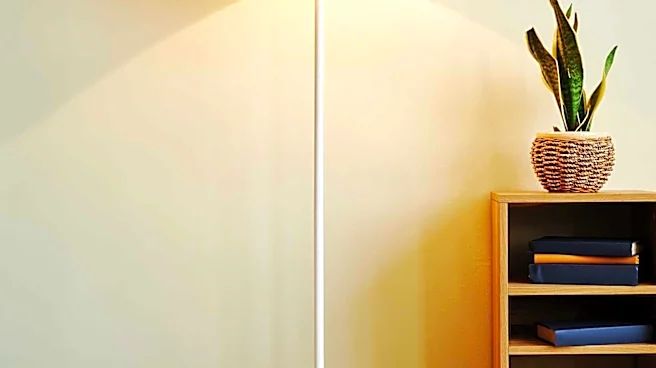
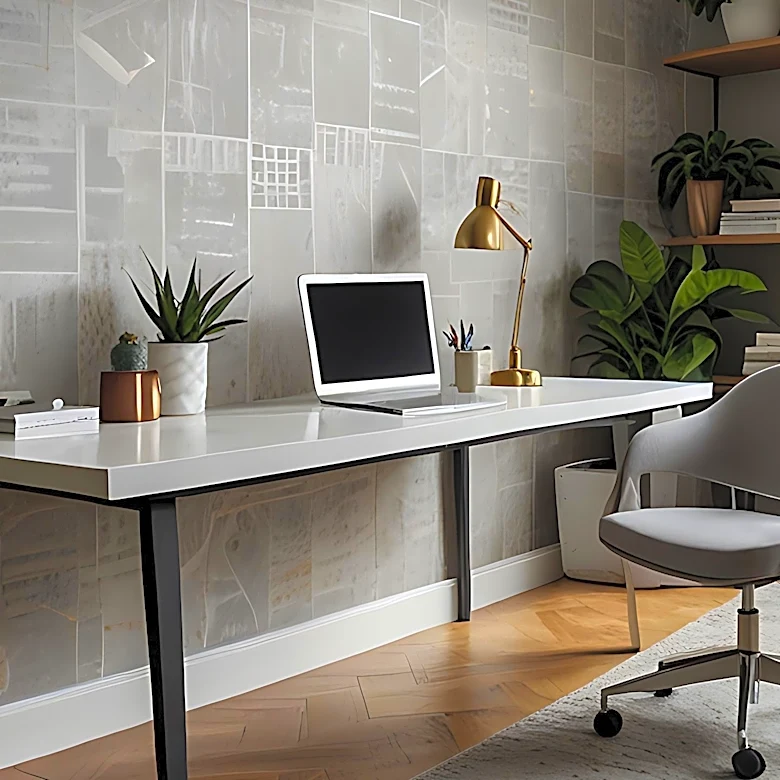
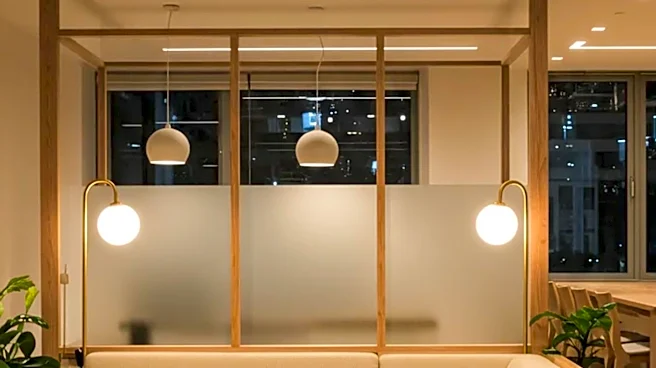
Transforming a studio apartment into a functional and aesthetically pleasing living space involves innovative small space ideas. Key strategies include rethinking wall usage with decorative panels, optimizing lighting with pendant and layered options,
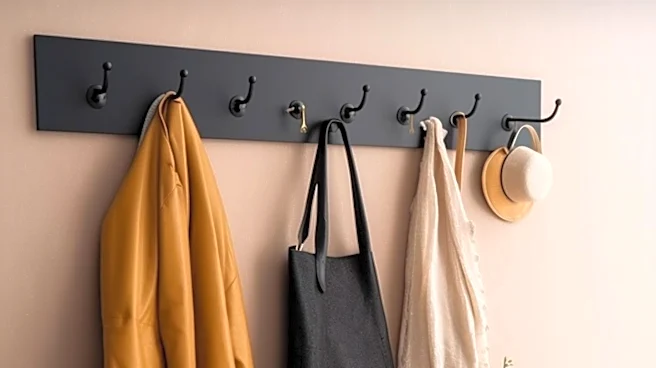
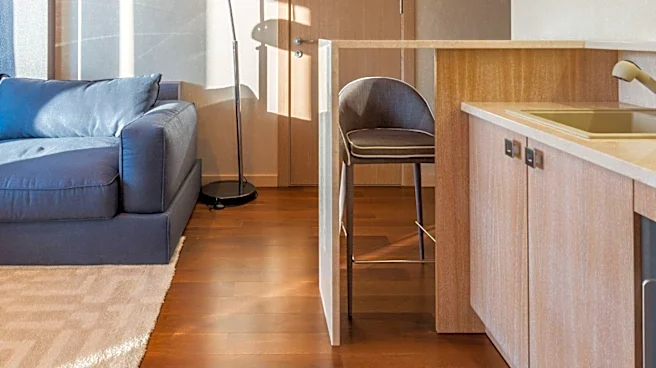
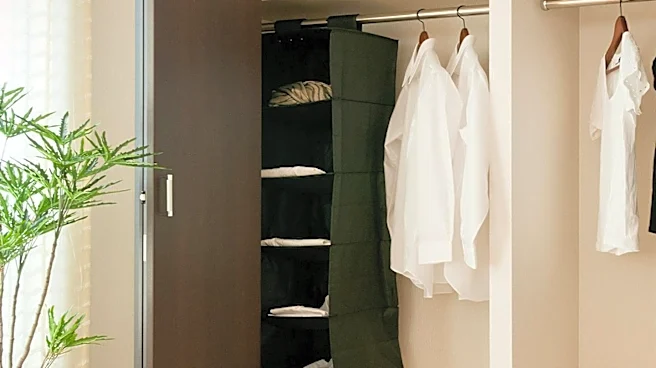
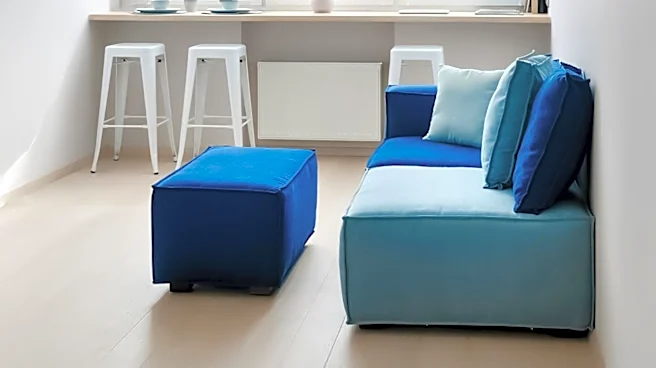
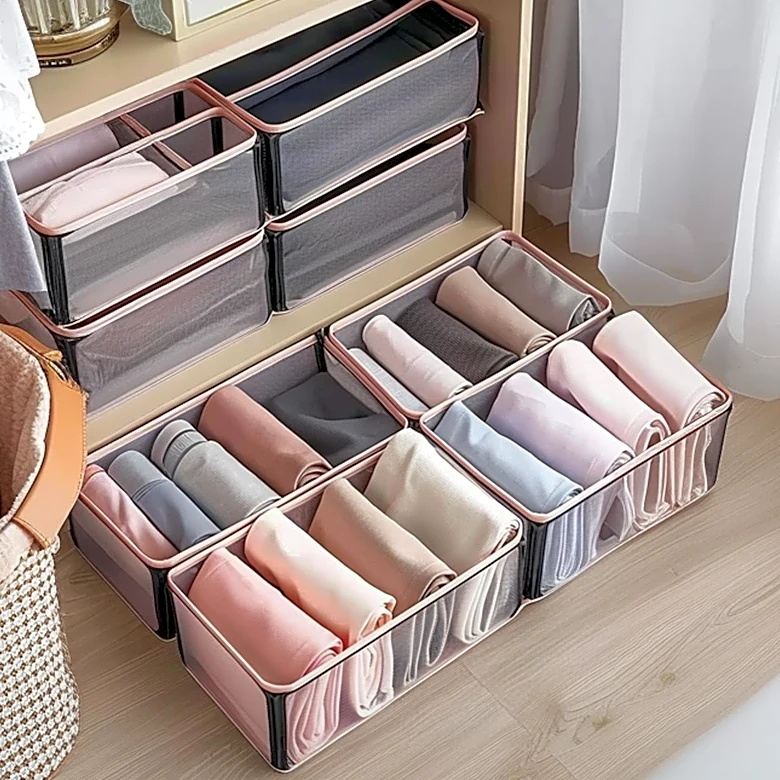
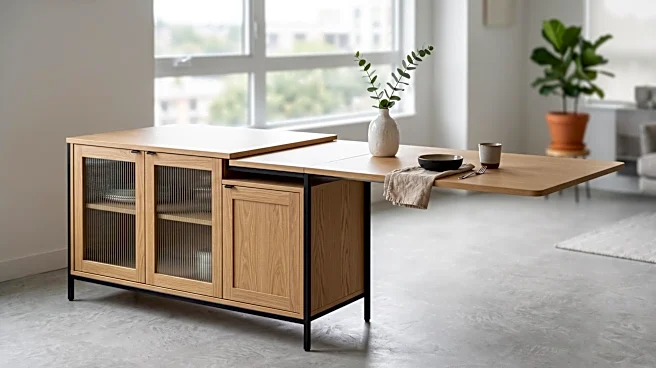
and utilizing multifunctional furniture. Vertical and hidden storage solutions, such as wall-mounted cabinets and under-stair storage, are crucial for maximizing limited floor space. Incorporating greenery through wall-mounted or hanging planters adds aesthetic and health benefits. DIY projects like creating wall art or painting furniture allow for personalization, while light color schemes can make spaces feel larger and more open. The goal is to create distinct zones within the apartment and maintain a clutter-free environment through smart organization.
Why It's Important?
The increasing urbanization and rising housing costs in the U.S. have led to a growing number of individuals living in smaller spaces, particularly studio apartments. This trend makes efficient space utilization and creative design solutions vital for maintaining quality of life and well-being. For consumers, these hacks offer practical ways to enhance comfort and functionality without significant financial investment in larger homes. For the home goods and interior design industries, this shift creates a demand for innovative, space-saving furniture and decor. Businesses that cater to this market, offering modular furniture, smart storage, and DIY-friendly products, stand to gain. Conversely, traditional furniture retailers focusing on large-scale items may need to adapt their offerings to remain competitive in this evolving housing landscape.
What's Next?
As the demand for efficient small-space living continues, expect to see further innovations in furniture design, particularly in modular and convertible pieces. The market for smart home technology integrated into space-saving solutions is also likely to expand, offering automated storage and multi-functional devices. Retailers and designers will likely focus on creating customizable and adaptable products that cater to diverse aesthetic preferences while maximizing utility. Educational content and workshops on DIY home improvement for small spaces may also become more prevalent, empowering residents to personalize their environments cost-effectively. The emphasis will remain on creating versatile, comfortable, and visually appealing living areas within compact footprints.
Beyond the Headlines
The trend towards optimizing small living spaces reflects broader societal shifts, including a move towards minimalism, sustainability, and urban living. Ethically, it encourages conscious consumption and challenges the notion that larger homes equate to better living. Legally, zoning laws and building codes may need to adapt to accommodate more flexible and innovative housing designs. Culturally, it fosters a greater appreciation for clever design and resourcefulness, potentially influencing architectural trends and urban planning to prioritize density and multi-functional spaces. This movement could also lead to a redefinition of 'home' as a highly adaptable and personalized environment, rather than a fixed, expansive structure.