
What's Happening?
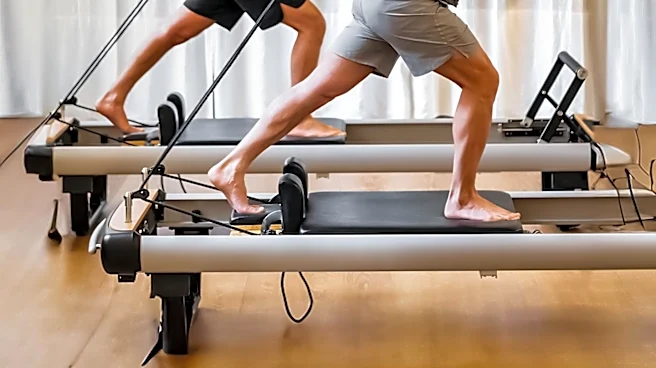
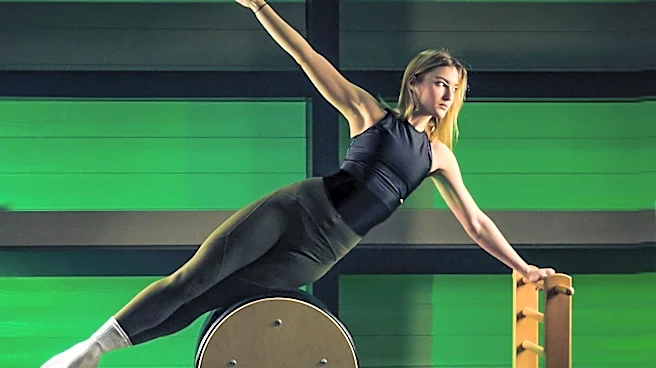
Reformer Pilates is increasingly recognized for its precise and adjustable resistance system, offering a distinct advantage over traditional mat Pilates. Unlike mat Pilates, which relies on body awareness and minimal equipment, Reformer Pilates utilizes
a specialized apparatus with springs, a sliding carriage, and straps. This setup guides movements with precision, reducing errors and optimizing muscle engagement. The system allows for resistance adjustment based on individual fitness levels, making it gentle on joints while effectively strengthening deep muscles crucial for preventing back pain and maintaining healthy posture. This method provides measurable progress, appealing to those seeking concrete, long-term results in body strengthening. The precision of the apparatus also helps prevent muscular compensation, leading to more targeted and effective workouts with a lower risk of injury.
Why It's Important?
The growing popularity of Reformer Pilates signifies a shift in the fitness industry towards more specialized and adaptable workout methods. For individuals in the U.S. seeking effective, low-impact exercise solutions, Reformer Pilates offers a compelling alternative to traditional workouts. Its ability to cater to a wide range of fitness levels, from beginners needing mechanical guidance to advanced athletes seeking intensified training, broadens its market appeal. This trend could lead to increased investment in specialized Pilates studios and equipment, impacting the fitness and wellness sectors. Furthermore, the emphasis on strengthening deep muscles and improving posture addresses common health concerns like back pain, potentially reducing healthcare costs and improving overall public health outcomes. The measurable progress offered by Reformer Pilates also aligns with consumer demand for data-driven fitness results, influencing how fitness programs are designed and marketed.
What's Next?
The continued growth of Reformer Pilates is likely to drive further innovation in fitness equipment and class offerings. We can expect to see more studios adopting Reformer apparatuses and developing diverse class types, such as those combining Pilates with cardio or suspension training, as mentioned in the source. This expansion will likely lead to increased competition among fitness providers, potentially making Reformer Pilates more accessible and affordable. Additionally, the focus on personalized, adaptable workouts suggests a future where fitness programs are increasingly tailored to individual needs and goals, moving beyond one-size-fits-all approaches. The demand for qualified instructors will also rise, prompting more comprehensive training programs for Pilates professionals. The industry may also see a greater integration of technology to track and quantify progress, further enhancing the measurable benefits of Reformer Pilates.
Beyond the Headlines
Beyond its immediate fitness benefits, the rise of Reformer Pilates reflects a broader cultural emphasis on holistic well-being and injury prevention. In a society increasingly prone to sedentary lifestyles and chronic pain, particularly back issues, methods that prioritize core strength, posture, and joint health are gaining traction. This trend highlights a shift from purely aesthetic fitness goals to those focused on functional strength and long-term health. The adaptability of Reformer Pilates also speaks to an inclusive approach to fitness, accommodating various ages and physical conditions, which could foster a more diverse and sustainable fitness culture. Ethically, the precision and guidance offered by the apparatus could reduce the risk of improper form and injury, making exercise safer for a wider population. This focus on mindful movement and body control could also have positive psychological impacts, promoting greater body awareness and mental well-being.