







What's Happening?
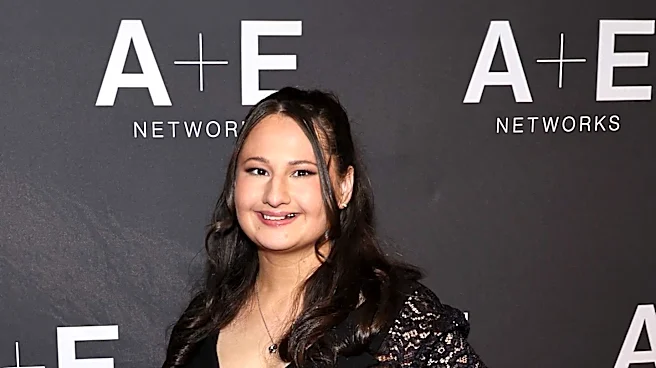
Gypsy Rose Blanchard has publicly denied rumors of a romantic reunion with her ex-husband, Ryan Anderson. The rumors stemmed from a viral social media post featuring an image that appeared to show Blanchard, Anderson, and her young daughter, Aurora, together
at a restaurant. Blanchard stated that the image is AI-generated and emphasized that she has no contact with Anderson. This denial comes during a difficult period for Blanchard, following the recent death of her partner, Ken Urker, whom she had previously dated and been engaged to while in prison. Blanchard and Anderson married while she was incarcerated, and he picked her up upon her release in December 2023. They separated in March 2024, approximately three months after her release.
Why It's Important?
This incident highlights the growing challenge of distinguishing authentic content from AI-generated fabrications on social media, particularly concerning public figures. The rapid spread of such images can quickly create misinformation and impact individuals' personal lives and public perception. For Gypsy Rose Blanchard, who has been under intense public scrutiny since her release from prison, these false rumors add another layer of complexity to an already sensitive personal situation. The ease with which AI can create convincing but fake images underscores the need for critical media literacy among social media users and platforms to develop better tools for identifying and flagging synthetic content. The emotional toll on individuals subjected to such fabricated narratives can be significant, affecting their relationships and mental well-being.
What's Next?
The immediate consequence is the continued need for Gypsy Rose Blanchard to actively counter misinformation regarding her personal life. Social media platforms may face increased pressure to implement more robust measures to detect and label AI-generated content to prevent similar incidents. For the public, this event serves as a reminder to exercise caution and verify information, especially images, encountered online. The incident could also prompt further discussions about the ethical implications of AI technology and its potential for misuse in creating deceptive content, particularly in the realm of celebrity news and personal privacy. It is likely that similar AI-generated hoaxes will continue to emerge, necessitating ongoing vigilance from both public figures and the general public.
Beyond the Headlines
The proliferation of AI-generated images like the one involving Gypsy Rose Blanchard raises profound questions about truth, authenticity, and privacy in the digital age. As AI technology becomes more sophisticated, the line between reality and fabrication blurs, making it increasingly difficult for individuals to control their own narratives. This incident underscores the vulnerability of public figures to digital manipulation and the potential for AI to be weaponized for harassment or to spread false information. Beyond individual cases, this trend could erode public trust in visual media and create a 'post-truth' environment where verifiable facts are constantly challenged by convincing fakes. The legal and ethical frameworks surrounding AI-generated content are still evolving, and incidents like this may accelerate the demand for clearer regulations and technological solutions to protect individuals from digital deception.