





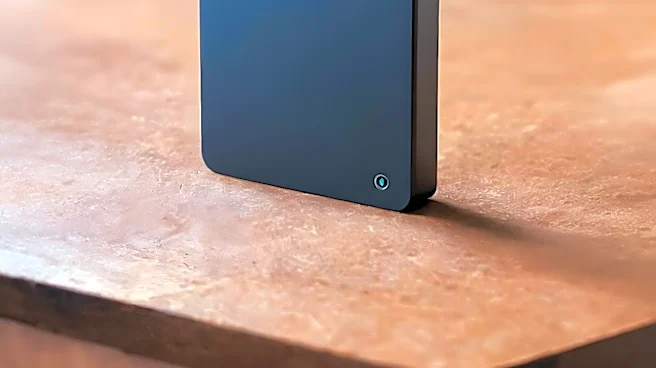

What's Happening?
BestQool has introduced red light therapy panels that feature hands-free control options, including voice commands, remote buttons, or app controls, to adjust settings without physical interaction. This functionality is designed to enhance user convenience,
particularly in situations where hands might be wet or occupied, such as during sauna sessions or while relaxing. Users are advised to test the control method before starting a session to ensure it functions correctly and can change the desired settings. The BestQool Sauna Red Light Therapy panel, for instance, accepts listed voice commands without Wi-Fi from a distance of about 2 meters, provided there are no obstacles. The emphasis is on using documented commands and verifying changes through the panel's indicators to ensure the correct settings are active.
Why It's Important?
The integration of hands-free control in red light therapy devices significantly improves the user experience, making the therapy more accessible and comfortable. This is particularly important for individuals with mobility limitations or those seeking a seamless, uninterrupted wellness routine. By allowing users to adjust settings without breaking their posture or interrupting their relaxation, these features can encourage more consistent use of the therapy, potentially leading to better outcomes. For the wellness technology market, this innovation sets a new standard for user-centric design, pushing manufacturers to consider convenience and accessibility as key differentiators. It also highlights a broader trend in consumer electronics towards intuitive, voice-activated, and remote-controlled interfaces, reflecting evolving user expectations for smart devices.
What's Next?
As hands-free control becomes more prevalent in red light therapy devices, we can expect further advancements in voice recognition accuracy, broader integration with smart home ecosystems, and more sophisticated app controls. Manufacturers will likely focus on making these interfaces even more intuitive and reliable, potentially incorporating AI to personalize settings based on user preferences or session history. The demand for such features may also drive innovation in other wellness devices, pushing for greater automation and ease of use across the board. For consumers, the next step will involve evaluating devices not just on their therapeutic capabilities but also on the seamlessness and reliability of their control interfaces, making user experience a critical factor in purchasing decisions.
Beyond the Headlines
The shift towards hands-free control in wellness devices like red light therapy panels reflects a deeper societal trend towards automation and convenience, driven by technological advancements. This development has ethical implications regarding data privacy, especially if voice commands are processed through cloud-based services, though BestQool's panel operates without Wi-Fi for voice commands. Culturally, it signifies a growing expectation for technology to adapt to human needs and preferences, rather than the other way around. This can lead to a more inclusive design approach, benefiting individuals with diverse needs. However, it also underscores the importance of user education to ensure that these advanced features are used correctly and safely, preventing potential misuse or misinterpretation of device settings. The ultimate goal is to empower users with greater control over their wellness routines, making therapeutic practices more integrated and less intrusive in daily life.