


What's Happening?
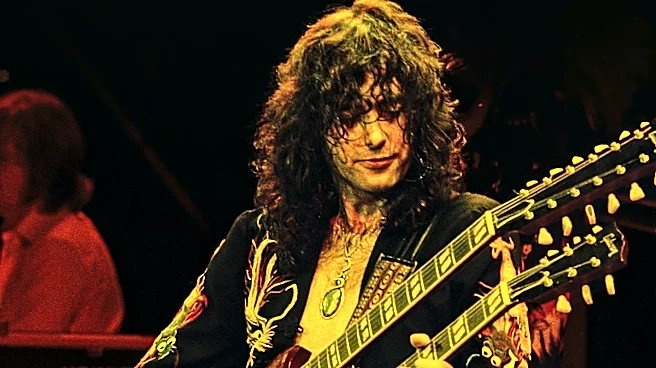
Guitarists like Kim Thayil, Alex Lifeson, and Jimmy Page have demonstrated that embracing imperfection can lead to unique and expressive musical styles. These musicians have utilized techniques such as bending notes outside of traditional keys, incorporating
wonky vibrato, and intentionally playing 'wrong' notes to create distinctive sounds. This approach has historical roots in early blues and rock music, where unconventional techniques became foundational to new genres. For instance, Tony Iommi of Black Sabbath adapted his playing style after a work accident, leading to innovations that contributed to the development of heavy metal. These guitarists show that technical 'mistakes' can enhance emotional expression and creativity in music.
Why It's Important?
The willingness of these guitarists to challenge conventional musical norms has had a profound impact on the evolution of music genres. By prioritizing feel over technical accuracy, they have inspired countless musicians to explore new sounds and push the boundaries of their instruments. This philosophy encourages creativity and innovation, allowing artists to develop unique musical identities. The influence of these guitarists extends beyond their own work, as their techniques have been adopted and adapted by new generations of musicians. This highlights the importance of artistic freedom and experimentation in the creative process, which can lead to groundbreaking developments in music and other art forms.
Beyond the Headlines
The embrace of imperfection in music also raises questions about the nature of artistic expression and the value of technical skill versus emotional impact. This approach challenges traditional notions of musical excellence, suggesting that the emotional connection with the audience is as important as technical proficiency. It also reflects broader cultural shifts towards valuing authenticity and individuality in art. As technology continues to evolve, musicians may find new ways to incorporate imperfections into their work, further blurring the lines between different musical styles and genres. This ongoing evolution underscores the dynamic and ever-changing nature of the music industry.