
What's Happening?
The U.S. Open tennis tournament is experiencing significant criticism due to an unprecedented number of matches extending past 2 a.m. local time. Over the first six days of the tournament, three matches concluded
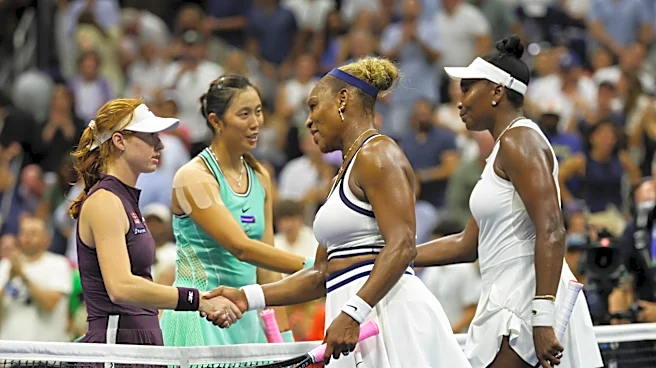
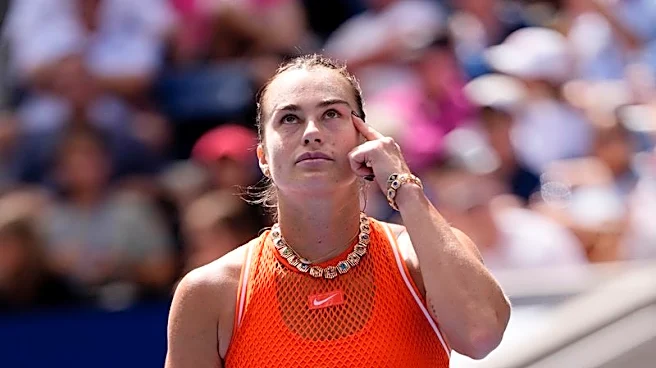
after 2 a.m., with two more finishing after 1 a.m., setting a new record for late finishes. This trend has led to empty seats in the stadium and complaints from players about the physical and scheduling challenges. Alexander Zverev, a prominent player, noted that everyone is tired and wants to sleep after such late finishes. Similarly, Venus Williams started her match at 12:13 a.m., the latest start in U.S. Open history, and expressed that it was not ideal for either player. Top-ranked Aryna Sabalenka also voiced concerns about how late finishes disrupt players' schedules and sleep patterns, impacting their performance and recovery.
Why It's Important?
The increasing frequency of late-night matches at the U.S. Open has significant implications for the sport, affecting player welfare, fan experience, and broadcast considerations. Players are facing disrupted sleep schedules and recovery times, which can impact their physical health and on-court performance, potentially leading to injuries or lower-quality play. For fans, the late finishes result in empty seats as many leave before matches conclude, diminishing the atmosphere and live viewing experience. While broadcast and television schedules are cited as reasons for these timings, the current situation raises questions about the long-term sustainability and appeal of the tournament. Other major tournaments like Wimbledon and the French Open have implemented curfews or limited night matches, suggesting a potential need for the U.S. Open to re-evaluate its scheduling practices to balance commercial interests with the well-being of its athletes and audience engagement.
What's Next?
The ongoing pushback from players and the visible impact on fan attendance may prompt the U.S. Open organizers to review their scheduling policies for future tournaments. While no immediate changes have been announced, the growing concerns could lead to discussions about implementing earlier cut-off times for matches, similar to Wimbledon's 11 p.m. curfew or the French Open's single night match policy. Stakeholders, including player associations, broadcasters, and tournament officials, will likely need to engage in dialogue to find a solution that addresses player welfare and fan experience without compromising the tournament's commercial viability. The tournament's reputation as a premier Grand Slam event could be at stake if the issue of late finishes continues to detract from the overall quality and enjoyment of the competition.
Beyond the Headlines
The issue of late-night matches at the U.S. Open highlights a broader tension between commercial demands and the integrity of sports. The pursuit of maximizing television viewership and advertising revenue often leads to extended schedules, but this can come at the cost of athlete health and fan engagement. The U.S. Open's unique tradition of night matches, once a celebrated aspect, is now being scrutinized for its extreme application. This situation could spark a wider conversation within professional sports about the ethical responsibilities of organizers towards their athletes and spectators. It also underscores the challenge of balancing tradition with modern demands, and how far a major sporting event can push its boundaries before it negatively impacts its core appeal and the well-being of its participants.