






What's Happening?
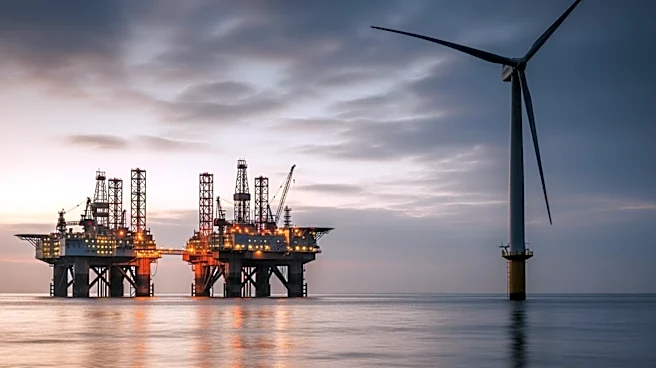
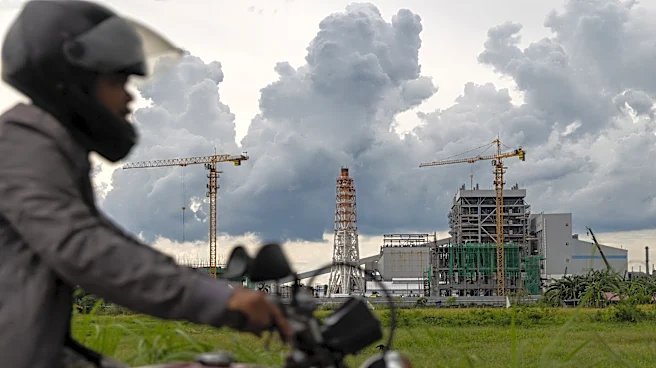
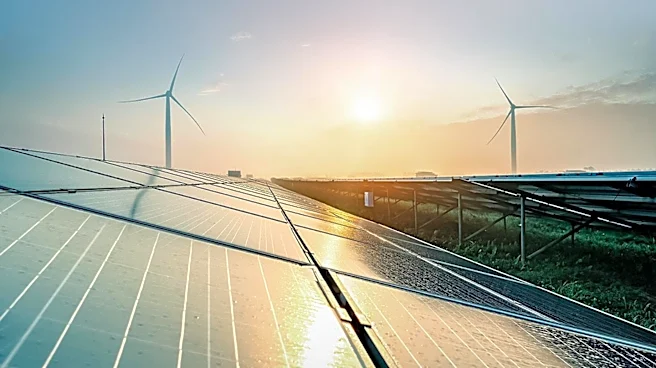
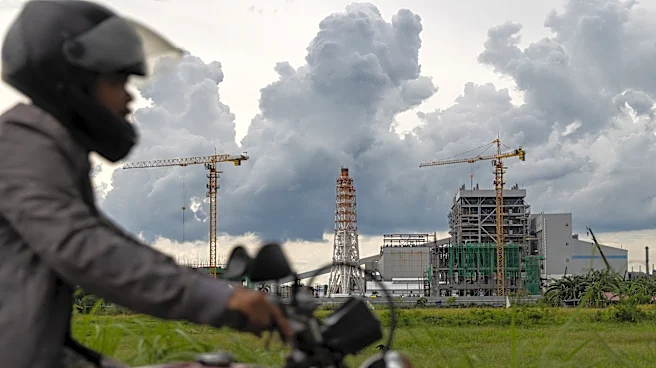
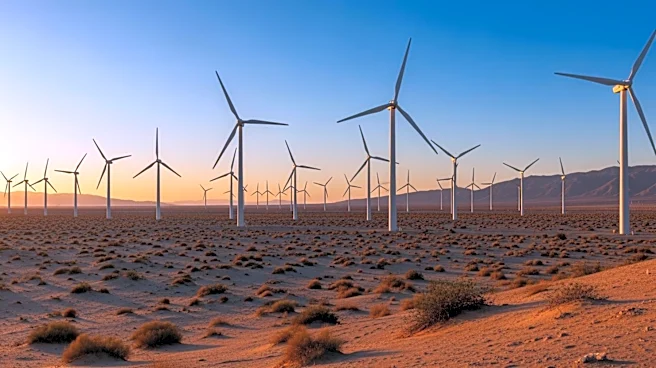
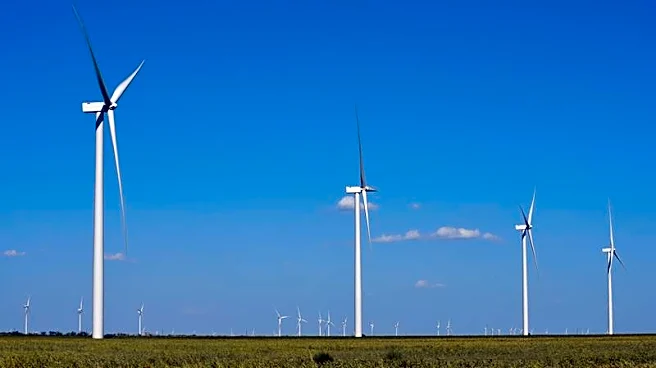
The International Energy Agency's World Energy Investment 2026 report reveals that global clean energy investment has reached $2.2 trillion, nearly double the $1.2 trillion allocated to fossil fuels. This shift marks a significant change in global energy priorities,
driven by energy security concerns and the need for sustainable energy solutions. The ongoing geopolitical conflicts, particularly involving the U.S. and Israel, have exacerbated volatility in fossil fuel markets, further incentivizing investment in renewable energy sources.
Why It's Important?
The substantial investment in clean energy reflects a global pivot towards sustainable energy solutions, driven by the need for energy security and independence. This trend has significant implications for the U.S. energy sector, as it may lead to increased domestic production of renewable energy and reduced reliance on fossil fuel imports. The shift also aligns with global efforts to combat climate change and transition to a low-carbon economy, potentially influencing U.S. energy policy and international climate commitments.
What's Next?
As clean energy investment continues to grow, the U.S. may see increased development of renewable energy infrastructure and technology. This could lead to job creation and economic growth in the clean energy sector. Policymakers may need to address regulatory and market challenges to support the transition to renewable energy. The U.S. may also engage in international collaborations to advance clean energy technologies and address global energy security concerns.
Beyond the Headlines
The transition to clean energy raises questions about the future of the fossil fuel industry and the economic impact on regions dependent on oil and gas production. It also highlights the need for a just transition that considers the social and economic implications for workers and communities affected by the shift. The move towards renewable energy may also influence geopolitical dynamics, as countries seek to secure energy independence and reduce vulnerability to external disruptions.