








What's Happening?
Morgan Stanley analysts have expressed concerns about gold's ability to reach $5,200 per ounce in 2026 without significant ETF inflows. The investment bank remains optimistic about gold's long-term prospects but notes that current market conditions, including
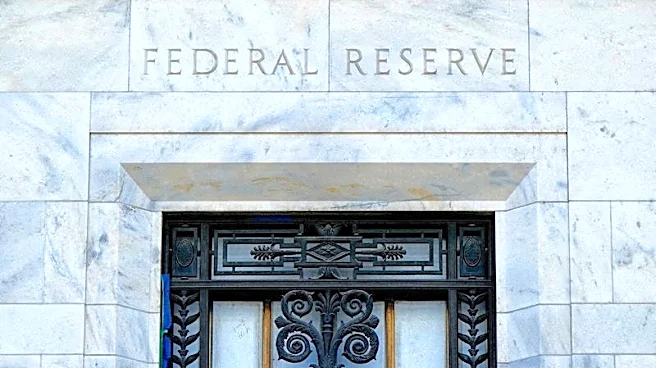
high real yields and the Federal Reserve's hawkish stance, are creating headwinds. The ongoing conflict in Iran and high oil prices are contributing to inflation pressures, complicating the Federal Reserve's policy decisions. These factors have led to net outflows from gold ETFs, impacting gold's price performance.
Why It's Important?
The analysis underscores the critical role of ETF inflows in supporting gold prices, highlighting the sensitivity of gold to monetary policy and real yields. The Federal Reserve's interest rate decisions are pivotal, as they influence the opportunity cost of holding non-yielding assets like gold. The geopolitical tensions and economic conditions are also affecting gold's traditional role as a safe haven, with its price increasingly driven by policy responses rather than geopolitical events alone. This situation presents challenges for investors seeking stability in gold as a hedge against inflation and geopolitical risks.
What's Next?
The market will be closely watching the Federal Reserve's upcoming policy decisions, as any changes in interest rate expectations could significantly impact gold prices. A potential rate cut in early 2027 could provide some support for gold, but the ongoing geopolitical tensions and economic uncertainties will continue to play a crucial role. Investors will need to remain vigilant and responsive to these developments to navigate the complex market landscape effectively.