







What's Happening?
Virtual fitness communities are expanding their reach across the U.S., offering a variety of online and hybrid fitness solutions. The PJCC Virtual Fitness Aquatic Center and the VIDA Fitness Official App are examples of platforms providing virtual access
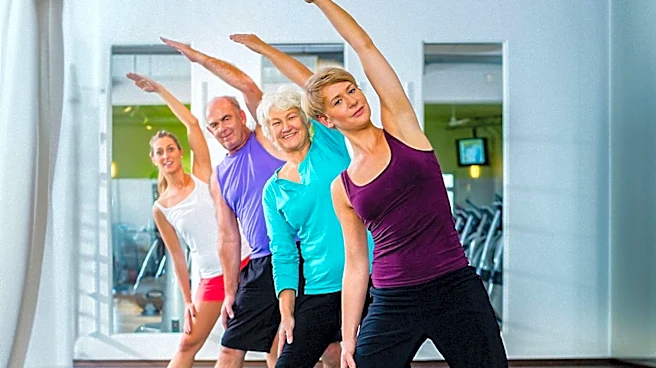
to fitness programs. Virtuagym's sitemap highlights the growing importance of online communities for specialized fitness sectors like yoga studios, indicating a broader trend in the fitness industry projected to continue into 2026. Additionally, local initiatives such as the Cranberry Community Fitness page are promoting group fitness classes with flexible terms, emphasizing accessibility without long-term contracts or membership fees. This shift reflects a growing consumer demand for convenient and adaptable fitness options that can be accessed remotely or with minimal commitment.
Why It's Important?
The rise of virtual fitness communities signifies a significant transformation in the U.S. health and wellness industry. This trend offers increased accessibility to fitness programs, potentially benefiting individuals in remote areas or those with busy schedules who might otherwise struggle to attend traditional gyms. For businesses, it opens new revenue streams and expands market reach beyond geographical limitations. The emphasis on flexibility and community engagement in these virtual platforms could lead to higher participant retention rates compared to conventional gym memberships. However, it also poses challenges for traditional brick-and-mortar fitness centers, necessitating adaptation and integration of virtual components to remain competitive. The shift could also impact public health by making fitness more attainable for a wider demographic, potentially contributing to improved national health outcomes.
What's Next?
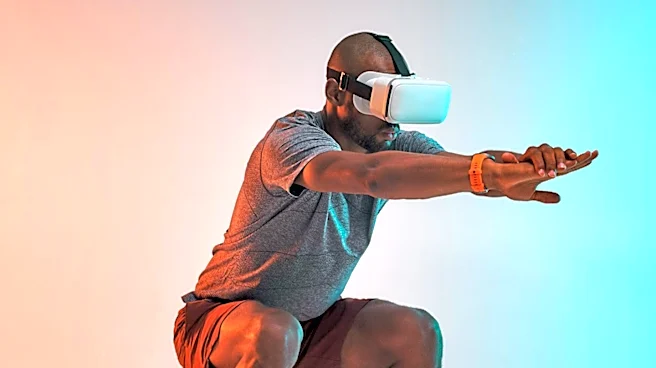
The expansion of virtual fitness communities is expected to continue, with further integration of technology and personalized experiences. We may see more sophisticated apps and platforms offering AI-driven workout plans, virtual reality fitness experiences, and enhanced social networking features to foster stronger online communities. Traditional fitness centers are likely to adopt hybrid models, combining in-person classes with virtual offerings to cater to diverse consumer preferences. Policy discussions might emerge regarding the regulation and standardization of virtual fitness services, particularly concerning data privacy and instructor qualifications. The industry will also likely focus on developing more specialized virtual programs to cater to niche markets, such as senior fitness, rehabilitation, or specific athletic training, further solidifying the role of virtual communities in the future of fitness.
Beyond the Headlines
The proliferation of virtual fitness communities extends beyond mere convenience, touching upon deeper societal and cultural implications. It challenges traditional notions of physical space for exercise, promoting a more individualized and self-directed approach to wellness. This trend could democratize access to high-quality fitness instruction, breaking down barriers related to cost, location, and social anxiety often associated with traditional gyms. However, it also raises questions about digital equity, as access to reliable internet and suitable devices is crucial for participation. Furthermore, the reliance on virtual interactions might alter the social dynamics of fitness, potentially fostering new forms of community while diminishing some aspects of in-person camaraderie. The long-term impact on mental health, body image, and the definition of 'community' within a digital context will be important areas to observe.