
What's Happening?
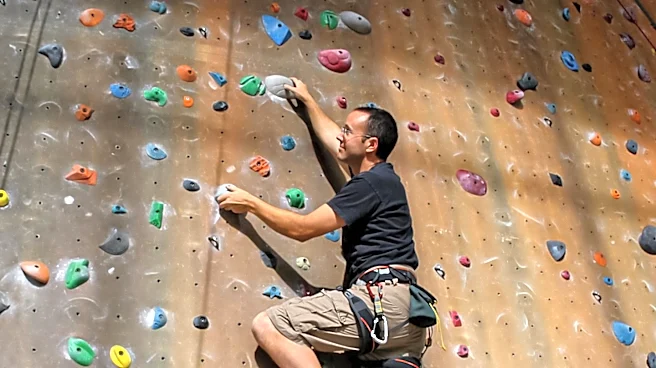
Princeton University provides an indoor rock climbing facility, the Outdoor Action Climbing Wall, accessible to its students, faculty, staff, and visiting summer students. This facility offers free access during
open hours from Monday to Friday. The university's initiative aims to provide recreational and fitness opportunities to its community. In addition to the on-campus option, several climbing gyms in the Princeton area extend special deals and discounts to university affiliates, broadening the choices for those interested in rock climbing. This availability of both on-campus and local external facilities underscores a commitment to promoting physical activity and diverse recreational pursuits within the university community. The offerings cater to various skill levels, from beginners to more experienced climbers, ensuring that a wide range of individuals can participate.
Why It's Important?
The provision of free indoor rock climbing at Princeton University is significant for several reasons. Firstly, it enhances student and staff well-being by offering an accessible and engaging form of physical exercise, which can contribute to improved mental and physical health. Secondly, it fosters a sense of community and provides a unique social outlet, allowing individuals to connect outside of academic or work settings. For students, it can be a valuable stress-relief mechanism and a way to develop new skills. The availability of local gym deals further extends these benefits, making climbing more affordable and accessible to a broader segment of the university population. This type of recreational offering can also be a factor in attracting and retaining students and faculty who value a campus environment that supports a healthy and active lifestyle.
What's Next?
The continued operation of the Outdoor Action Climbing Wall at Princeton University is expected to maintain its role as a key recreational resource. Future developments might include expanded hours, additional instructional programs, or special events to further engage the university community. Local climbing gyms may continue to offer or refine their student and staff deals, potentially leading to increased partnerships with the university. As interest in rock climbing grows, there could be an increased demand for more advanced training or competitive opportunities within the university setting. The success of such programs often leads to further investment in recreational facilities and activities, potentially inspiring other institutions to adopt similar initiatives to support their communities' health and wellness.
Beyond the Headlines
Beyond the immediate benefits of physical activity, the availability of rock climbing facilities at Princeton reflects a broader trend in higher education towards holistic student development. Universities are increasingly recognizing the importance of providing diverse recreational options that cater to varied interests and promote overall well-being. Rock climbing, in particular, offers unique benefits such as problem-solving skills, mental focus, and resilience, which can complement academic pursuits. This initiative also highlights the potential for collaboration between academic institutions and local businesses, creating a symbiotic relationship that benefits both the university community and local economies. The emphasis on free access or discounted rates underscores a commitment to inclusivity, ensuring that financial barriers do not prevent participation in enriching activities.