






What's Happening?
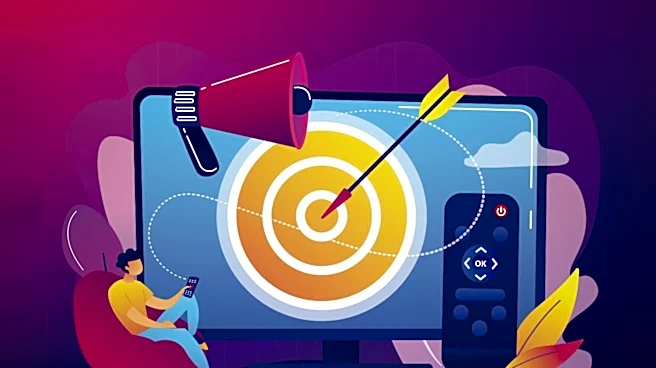
Businesses are increasingly adopting integrated digital marketing strategies to maintain visibility and trust in a competitive online environment. This approach focuses on placing the customer at the center of all marketing efforts by connecting with
them across various digital platforms they frequently use. Key practices include prompt responses to customer comments and messages, and the creation of personalized content tailored to individual preferences. The shift from single-channel to multi-channel marketing is driven by the understanding that modern audiences engage with numerous digital channels, such as social media, email, and websites. By unifying these channels, brands aim to create a seamless and consistent customer experience, which in turn builds trust and professionalism. This integrated method also leverages data analytics to inform decisions, allowing companies to track customer actions, optimize campaigns, and adapt strategies quickly for improved results.
Why It's Important?
The move towards integrated digital marketing is crucial for U.S. businesses as it directly impacts their ability to acquire and retain customers in an increasingly fragmented digital landscape. A unified strategy ensures that brands maintain a consistent message and appearance across all platforms, fostering greater trust and recognition among consumers. This consistency is vital for building strong brand loyalty and making marketing messages more memorable. Economically, this approach can lead to more efficient marketing spend by reducing redundant efforts and allowing for data-driven adjustments that maximize return on investment. Businesses that successfully implement these strategies stand to gain a competitive edge, attracting more customers and strengthening their market position, while those that fail to adapt risk losing visibility and relevance in a crowded online world. The emphasis on customer-centricity also drives innovation in content creation and engagement tactics.
What's Next?
The future of digital marketing will likely see a continued evolution towards more sophisticated integration of platforms, data, and tools. Businesses are expected to further embrace automation to streamline marketing activities, enabling teams to focus on strategic innovation rather than repetitive tasks. The ongoing development of analytics tools will provide deeper insights into customer behavior, allowing for even more precise targeting and personalization of marketing efforts. As digital channels continue to proliferate, the ability to adapt and stay connected across these diverse platforms will be paramount for business success. Companies will need to invest in training and technology to keep pace with these changes, ensuring their marketing teams are equipped to leverage the latest trends and tools for effective customer engagement and brand building.
Beyond the Headlines
The shift to integrated digital marketing has broader implications beyond immediate business gains, touching upon ethical considerations regarding data privacy and the potential for hyper-personalization. As brands collect more data to tailor content, questions about data security and consumer consent become increasingly prominent. There's also a cultural dimension, as consumers become accustomed to highly personalized experiences, raising expectations for all interactions with brands. This could lead to a demand for greater transparency from companies about how their data is used. Furthermore, the reliance on AI and automation in marketing raises questions about the future of human roles in the industry and the potential for algorithmic bias in targeting. The long-term impact could reshape consumer-brand relationships, making them more dynamic and data-driven, but also potentially more scrutinized for ethical practices.