


What's Happening?
A recent report from the Dallas Cowboys indicates that many of the most successful quarterbacks in the NFL over the last decade were selected in the middle rounds of the draft, specifically between picks three and five. This trend challenges the common
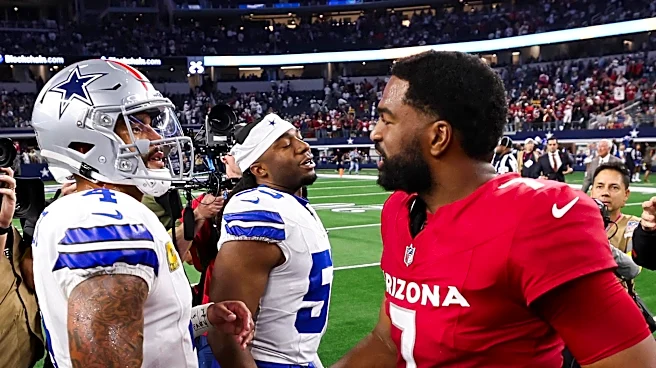
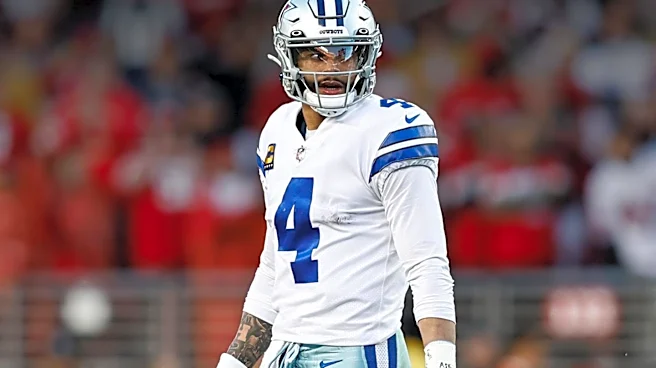
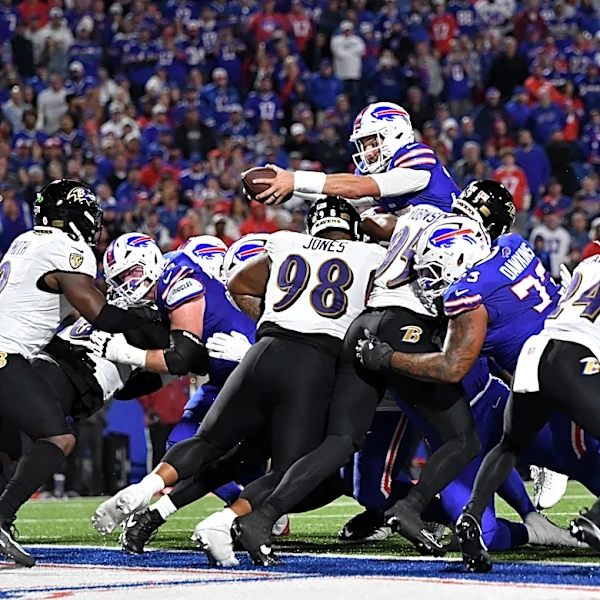
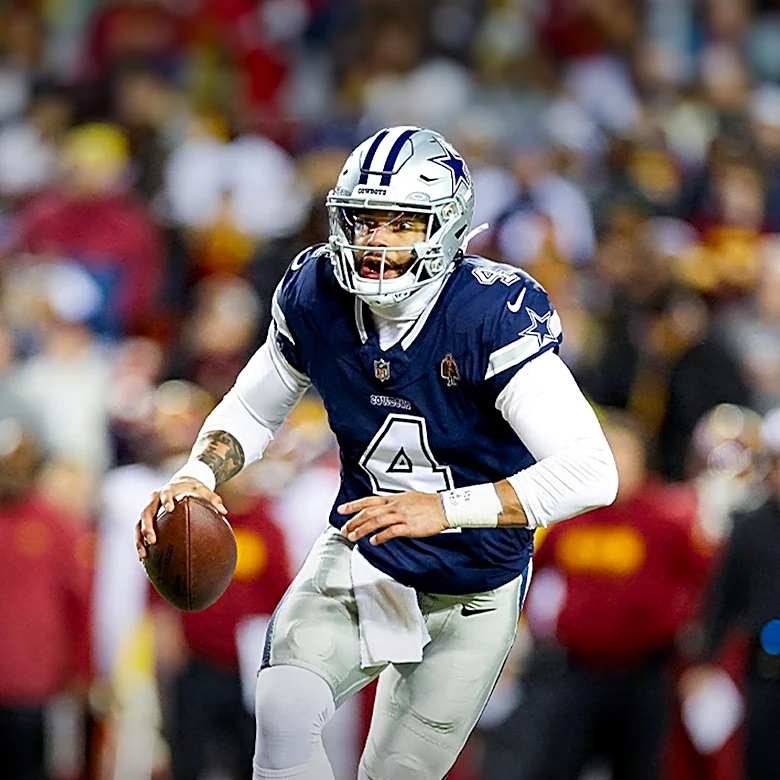
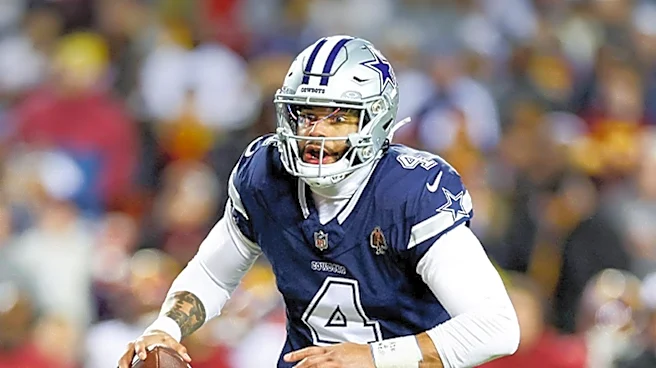
assumption that top quarterbacks primarily emerge from the first round. The upcoming game between Dak Prescott and Jacoby Brissett, both from the 2016 draft class, exemplifies this phenomenon. Brissett, a third-round pick by the Patriots, is among a group of eight middle-round quarterbacks since 2016 who have achieved significant success, including Jarrett Stidham, Josh Dobbs, Sam Howell, Davis Mills, Mason Rudolph, and Malik Willis. These players often have a harder path to a long career but have proven that draft position does not always dictate future success.
Why It's Important?
This revelation about the success of mid-round quarterbacks has significant implications for NFL team building and draft strategy. It suggests that teams can find franchise-caliber players without expending premium first-round draft capital, which can be a massive advantage in the salary cap era. By identifying and developing talent from the middle rounds, teams can allocate their higher draft picks and financial resources to other positions, creating a more balanced and competitive roster. This trend emphasizes the importance of robust scouting, player development programs, and coaching in unlocking the potential of these athletes. For teams like the Cowboys, who have seen success with mid-round picks like Prescott, it validates a strategy that prioritizes development over initial draft hype.
What's Next?
The upcoming matchup between Dak Prescott and Jacoby Brissett will serve as a direct illustration of this trend, showcasing two successful quarterbacks who defied first-round expectations. This ongoing pattern is likely to influence future NFL draft strategies, with more teams potentially shifting focus towards thorough evaluation and development of mid-round quarterback prospects. Teams may invest more in scouting departments and coaching staff capable of identifying and nurturing these hidden gems. The continued success of these players will reinforce the idea that a team's ability to develop talent is as crucial, if not more so, than their initial draft position, potentially leading to a broader re-evaluation of how quarterback talent is assessed and acquired across the league.
Beyond the Headlines
The success of mid-round quarterbacks challenges the conventional wisdom surrounding talent identification and development in professional sports. It highlights that raw talent, while important, is not the sole determinant of success. Factors such as a player's work ethic, adaptability, the quality of coaching, and the organizational support they receive play a crucial role in their long-term trajectory. This phenomenon also speaks to the psychological aspect of being an underdog; players drafted later often have a greater drive to prove themselves, which can fuel their development. This trend could inspire a broader re-evaluation of how talent is perceived and cultivated not just in football, but across various competitive fields, emphasizing resilience and continuous improvement over initial accolades.