



What's Happening?
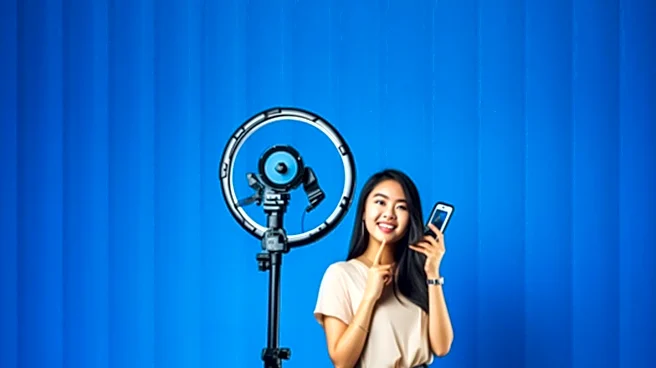
Artists are increasingly facing unsustainable expectations due to the demands of social media advertising, which forces them to adopt the role of an influencer alongside their creative practice. Platforms like Instagram and TikTok have become primary
channels for promotion, often overshadowing traditional press and print advertisements. This shift requires artists to constantly produce engaging content, cater to algorithms, and develop a personal brand beyond their artwork to gain visibility. The pressure to post frequently (3-5 times a week, according to some reports) consumes time that could otherwise be dedicated to creation, leading to creative burnout. Many independent artists lack the resources, such as dedicated PR teams, that larger corporations have for managing their social media presence. Despite consistent effort, success on these platforms is not guaranteed, as algorithms often dictate content visibility, leaving artists feeling frustrated and overwhelmed by the dual demands of creating art and marketing themselves.
Why It's Important?
This phenomenon has significant implications for the U.S. arts and culture sector, impacting both emerging and established artists. The expectation for artists to be their own marketers can stifle creativity, reduce the time available for artistic development, and contribute to mental health challenges like burnout. This shift also democratizes access to audiences but simultaneously creates a highly competitive and often inequitable landscape where algorithmic favor can be more influential than artistic merit. For art institutions, galleries, and funding bodies, this trend necessitates a re-evaluation of how artists are supported and promoted, potentially requiring new models that alleviate the burden of constant self-promotion. It also highlights a broader societal issue where the lines between personal identity, professional practice, and digital persona are increasingly blurred, affecting not just artists but anyone in creative or public-facing professions in the U.S.
What's Next?
Artists will likely continue to navigate the complex demands of social media, seeking strategies to balance their creative work with online promotion. This may involve developing more efficient content creation processes, collaborating with others, or selectively engaging with platforms. Educational institutions and arts organizations may need to offer more training and resources on digital marketing and brand building for artists, while also advocating for platforms to create more artist-friendly algorithms or monetization models. There could also be a growing movement among artists to reclaim their time and focus on creation, potentially leading to a pushback against the constant pressure to perform online. Discussions around the ethical responsibilities of social media platforms in supporting creative communities and preventing burnout are also likely to intensify, potentially influencing platform policies or the development of alternative, artist-centric digital spaces.
Beyond the Headlines
The pressure on artists to become influencers reflects a deeper cultural shift where authenticity and personal narrative are increasingly intertwined with commercial success. This blurs the traditional boundaries between art and commerce, challenging the notion of art for art's sake. The reliance on algorithms for visibility also raises questions about cultural gatekeeping in the digital age, where automated systems, rather than human curators or critics, often determine what art gains traction. This can lead to a homogenization of content that caters to algorithmic preferences, potentially marginalizing diverse or experimental artistic expressions. The emotional toll on artists, who are forced to commodify their personal lives and creative processes, highlights the psychological impact of the 'creator economy.' This situation prompts a critical examination of how digital platforms shape our understanding of value, success, and the very definition of artistic practice in contemporary society.