


What's Happening?
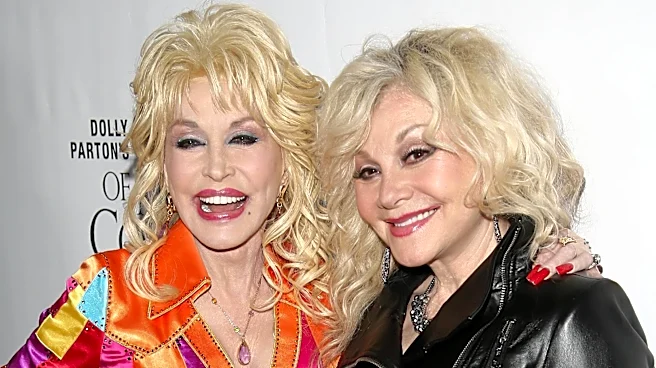
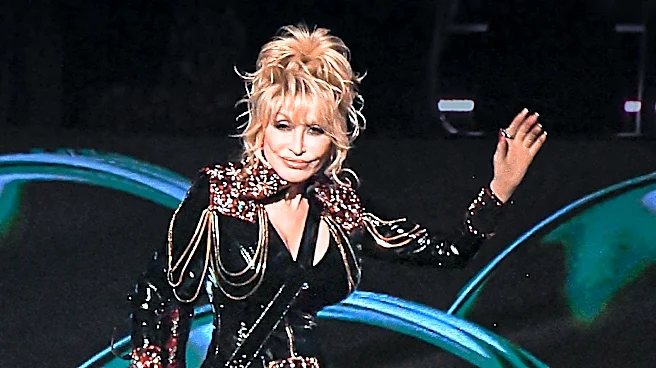
Stella Parton, sister of the late country music icon Dolly Parton, has publicly criticized the proliferation of AI-generated content and misinformation on social media following Dolly Parton's passing on August 25. Stella Parton, a country singer and songwriter
herself, expressed the difficulty of tolerating the 'tremendous amount of AI and endless garbage' being posted daily. She highlighted the insensitivity from strangers and those exploiting the loss and tragedies of others. Dolly Parton died after a brief battle with cancer at the Vanderbilt-Ingram Cancer Center, surrounded by loved ones. Stella Parton is one of Dolly's six living siblings. She also thanked those who offered genuine support and love during the family's bereavement, emphasizing that every human experiences pain and loss.
Why It's Important?
This situation underscores a growing concern regarding the ethical implications of artificial intelligence and digital content creation, particularly in the context of public figures and their families. The use of AI to generate tributes or content related to deceased celebrities can be deeply distressing for grieving families, as it blurs the lines between genuine remembrance and exploitative or disrespectful digital manipulation. This issue extends beyond the entertainment industry, raising questions about digital rights, consent, and the potential for AI to be used in ways that cause emotional harm. It highlights the need for clearer guidelines and public awareness regarding the responsible use of AI technologies, especially when dealing with sensitive topics like death and personal likeness. The public's reaction and the family's distress could influence future discussions on digital ethics and intellectual property in the age of advanced AI.
What's Next?
The ongoing public discourse initiated by Stella Parton's statements, and similar concerns raised by Zelda Williams regarding deepfakes of Robin Williams, could lead to increased advocacy for stricter regulations or industry standards concerning AI-generated content. It is possible that celebrity estates and legal teams may explore new avenues to protect the likeness and memory of deceased individuals from unauthorized AI manipulation. Social media platforms might face pressure to implement more robust policies to identify and remove content deemed exploitative or harmful by families. This could also spark broader conversations among tech developers, content creators, and legal experts about establishing ethical frameworks for AI use, particularly in areas that intersect with personal grief and public perception. The incident may serve as a catalyst for greater public education on distinguishing authentic content from AI-generated material.
Beyond the Headlines
The controversy surrounding AI tributes touches upon fundamental questions about legacy, memory, and the digital afterlife. In an increasingly digital world, the ability to recreate or manipulate the image and voice of deceased individuals through AI presents a complex ethical dilemma. It challenges traditional notions of respect for the dead and the sanctity of personal identity. The ease with which AI can generate convincing, yet potentially unauthorized, content raises concerns about the erosion of authenticity and the potential for historical revisionism or misrepresentation. This situation also highlights a broader societal struggle to adapt to rapid technological advancements, particularly when these advancements impact deeply personal and emotional aspects of human experience. The calls for compassion and wisdom from Stella Parton reflect a desire to maintain human dignity and empathy in an era where technology can sometimes overshadow these values.