







What's Happening?
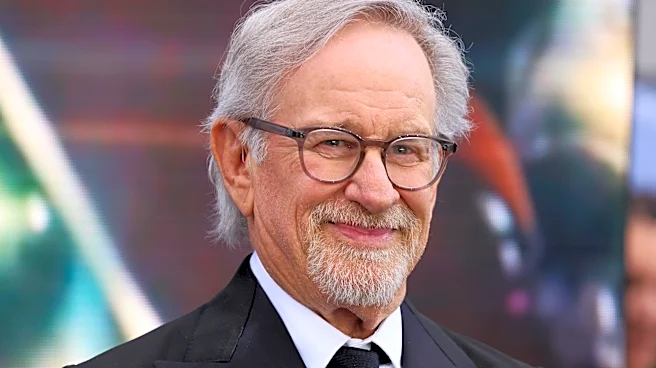
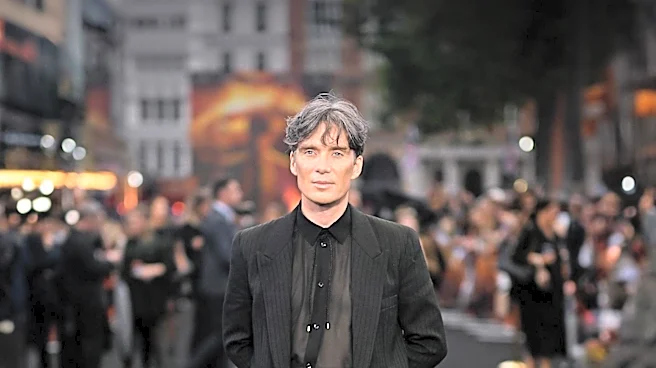
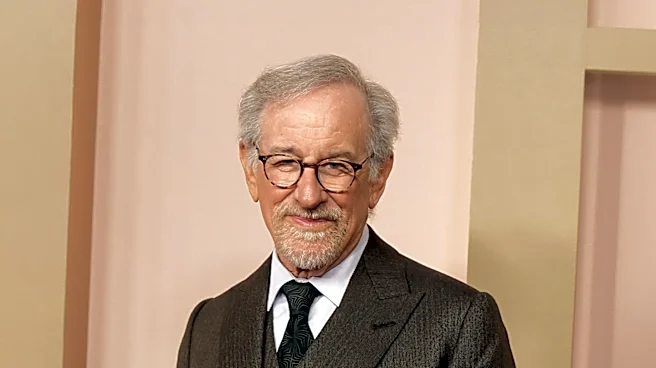
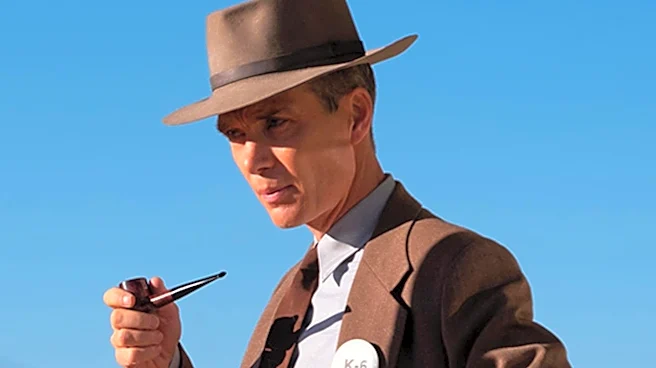
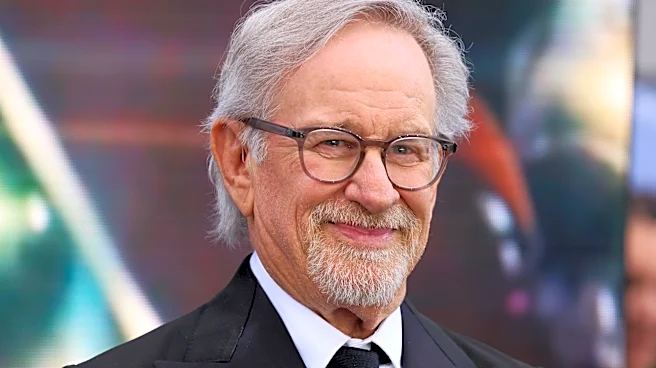
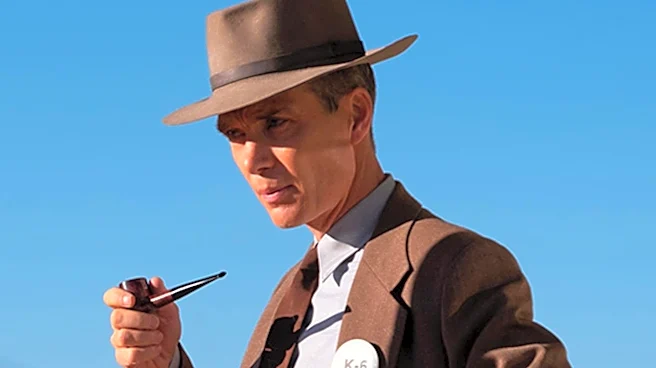
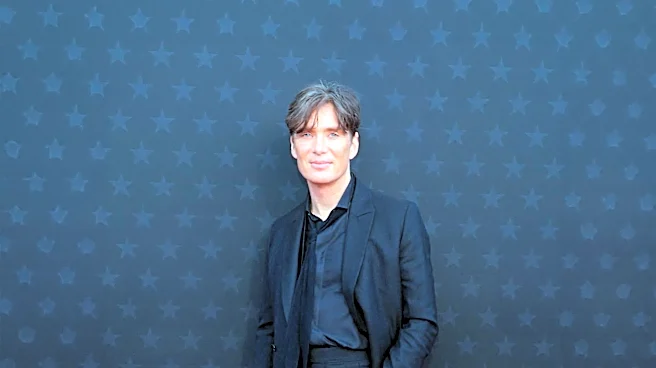
Steven Spielberg is set to direct a new Western film titled 'The Heart in Winter,' an adaptation of Kevin Barry's novel. The film, scheduled for a 2028 release, will star Cillian Murphy, Jessie Buckley, and Mark Rylance, with a screenplay by Paul Thomas
Anderson. Despite the high-profile talent involved, including Oscar-winning actors and a renowned screenwriter, the project faces significant box office hurdles. The Western genre has struggled to attract theatrical audiences for approximately a decade, with recent successful Westerns primarily finding success on streaming platforms or television. Spielberg's previous three films, 'West Side Story,' 'The Fabelmans,' and 'Disclosure Day,' have either underperformed or flopped at the box office, adding to concerns about the commercial viability of his upcoming Western.
Why It's Important?
The commercial performance of Steven Spielberg's 'The Heart in Winter' could serve as a critical indicator for the future of the Western genre in theatrical releases. If a film with such a prestigious director, acclaimed cast, and celebrated screenwriter struggles at the box office, it may reinforce the perception that Westerns are no longer a viable genre for cinemas. This could further push the genre towards streaming services and television, where shows like Taylor Sheridan's 'Yellowstone' and its prequels have found considerable success. The outcome will influence investment decisions by studios regarding future Western projects, potentially limiting the scope and budget for theatrical releases in this genre. It also highlights a broader challenge for established directors in drawing audiences to theaters for non-blockbuster films, even with significant critical acclaim.
What's Next?
The film is slated for release in 2028, and its box office performance will be closely watched by industry analysts and filmmakers. If 'The Heart in Winter' underperforms, it could lead to a further decline in theatrical Western productions, with studios potentially reallocating resources to genres with more proven box office appeal. Conversely, if it manages to defy expectations and achieve commercial success, it could signal a potential resurgence for the Western in cinemas, encouraging more investment in the genre. The film's reception will also be a test of Steven Spielberg's continued influence on audience turnout, especially after a series of underperforming projects. The industry will be observing whether critical acclaim can translate into commercial success for a genre that has largely migrated to smaller screens.
Beyond the Headlines
The struggle of the Western genre at the box office, even with a director of Steven Spielberg's caliber, points to a significant shift in audience consumption habits and the evolving landscape of cinematic storytelling. The rise of streaming platforms and high-quality television series has provided alternative venues for complex, serialized narratives that were once the domain of feature films. For Westerns, this has meant a migration to episodic formats, where the genre's themes of expansive landscapes, character development, and historical context can be explored over longer durations. This trend raises questions about the unique value proposition of theatrical releases for certain genres and whether the traditional movie-going experience can still compete with the convenience and depth offered by streaming. The challenge for 'The Heart in Winter' is not just about one film's success, but about the broader identity and future of a classic American genre in the digital age.