





What's Happening?
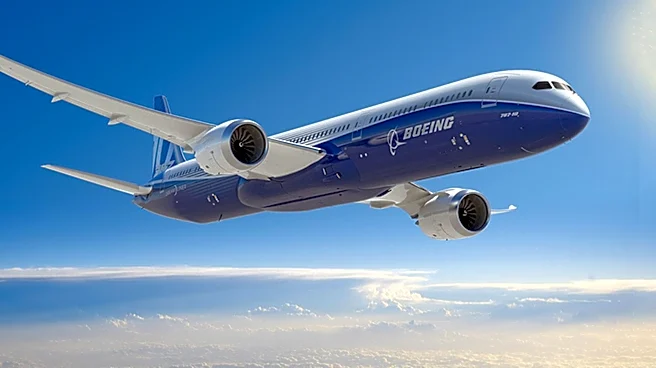
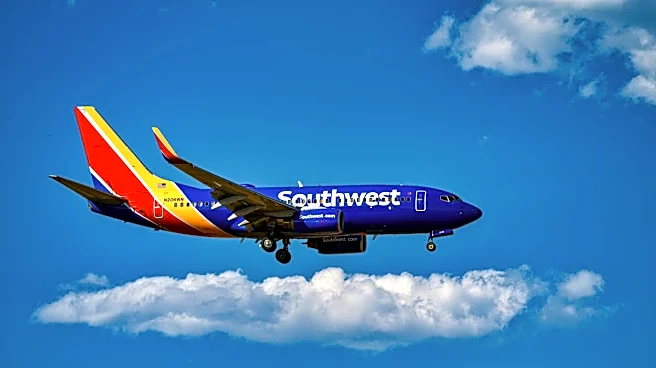
Southwest Airlines is reportedly considering the Boeing 787 Dreamliner as its first widebody jet, signaling a potential move into long-haul international flights. This development, according to three sources familiar with the airline's fleet planning,
would mark a significant shift for Southwest, which currently operates an all-Boeing 737 fleet. While no final decision has been made, and the choice ultimately rests with Southwest's board, the airline has been exploring options for long-haul service. Southwest's Chief Financial Officer, Tom Doxey, previously stated that long-haul international service was under consideration, but no firm decision had been reached. The airline has not publicly named a specific aircraft for this expansion. Sources indicate that Southwest has contemplated a fleet of dozens of 787s and has also examined the feasibility of acquiring aircraft quickly through lessors or the secondary market. Boeing has referred questions about fleet plans to Southwest, and Airbus has declined to comment on discussions with airlines.
Why It's Important?
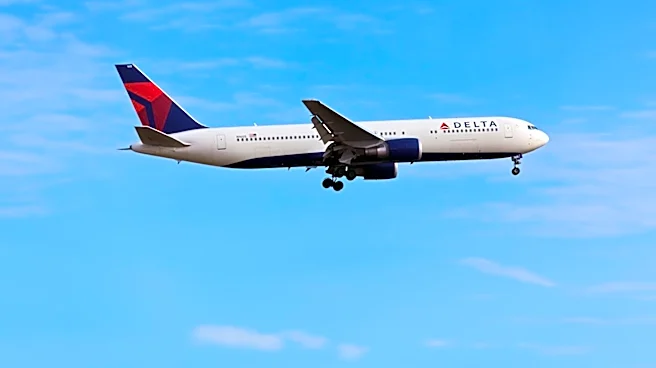
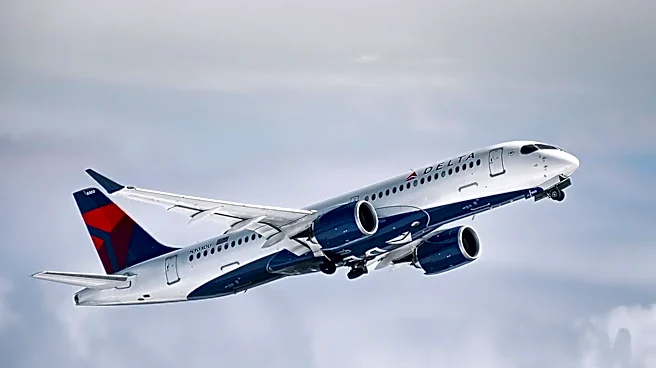
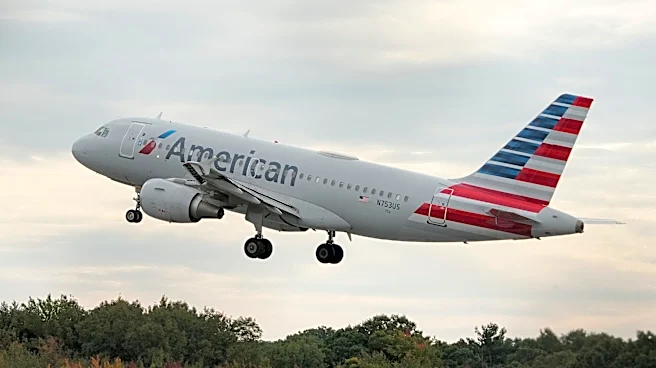
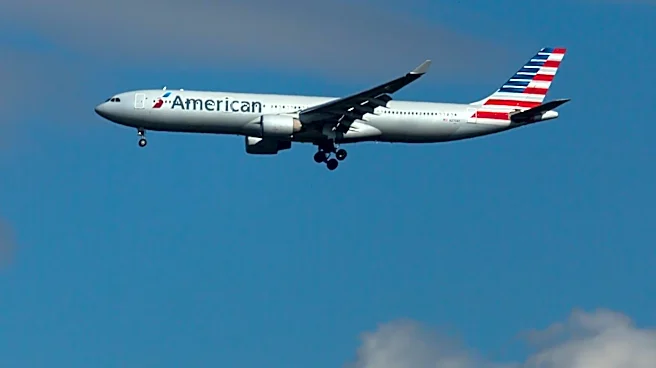
This potential move by Southwest Airlines into long-haul international flying with the Boeing 787 Dreamliner carries significant implications for the U.S. airline industry and its competitive landscape. By introducing widebody jets, Southwest would directly compete with larger U.S. rivals like Delta Air Lines, United Airlines, and American Airlines on international routes. This expansion could intensify competition for higher-spending travelers, as Southwest has already begun implementing changes such as assigned seating, extra-legroom seats, airport lounges, and plans for a premium credit card. For Boeing, securing an order for dozens of 787s from Southwest would be a substantial win, especially as the 787 is reportedly sold out through the end of the decade. Conversely, it would be a missed opportunity for Airbus, which has been actively courting Southwest with its A321XLR, A330neo, and A220 models. The decision will also impact Southwest's operational structure, requiring new maintenance and training programs, regulatory approvals, and union negotiations over pay and work rules.
What's Next?
The next steps involve Southwest Airlines' board making a final decision on its widebody aircraft choice, which will dictate the airline's entry into long-haul international service. This decision will likely trigger a series of operational and strategic adjustments for Southwest. Should the airline proceed with the Boeing 787, it will need to establish new maintenance facilities, develop training programs for pilots and crew specific to the Dreamliner, and secure necessary regulatory approvals. Furthermore, negotiations with pilot unions regarding pay scales and work rules for operating a new aircraft type will be crucial. The timing of this expansion will also be influenced by aircraft availability, as Boeing's 787 production is currently booked for several years. Southwest's exploration of acquiring Dreamliners through lessors or the secondary market suggests an effort to expedite its entry into this new market segment. The airline's competitors will closely monitor these developments, potentially adjusting their own international strategies in response to Southwest's new competitive posture.
Beyond the Headlines
Southwest's potential adoption of the Boeing 787 Dreamliner signifies a deeper strategic evolution for the airline, moving beyond its traditional low-cost, point-to-point domestic model. This shift reflects a broader trend in the airline industry where carriers are seeking to diversify their offerings and capture a wider range of market segments. The move into long-haul international flights could transform Southwest's brand perception, attracting business and premium leisure travelers who previously opted for full-service carriers. This expansion also highlights the increasing pressure on airlines to enhance customer loyalty programs and co-branded credit card businesses, as these become critical revenue streams and competitive differentiators. The decision to potentially introduce a new aircraft type, especially a widebody, represents a significant operational and financial undertaking, requiring substantial investment in infrastructure, personnel, and regulatory compliance. It underscores the airline's ambition to grow its market share and adapt to evolving passenger demands, even if it means departing from its long-standing operational simplicity.