
What's Happening?
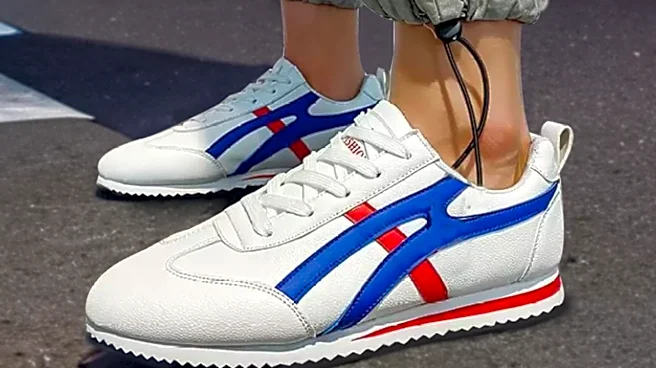
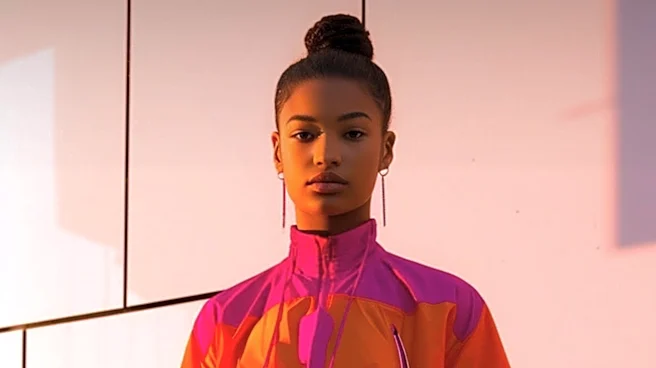
Y2K fashion, characterized by low-rise denim, tiny tops, cargo pants, metallic fabrics, and unique accessories, is experiencing a resurgence in active lifestyles and retail. This trend blends these distinctive elements with basic clothing, moving beyond
the perfectly coordinated looks often depicted in modern nostalgia. Events like THE Y2K Party in New York City and the Monster High Y2K Market in San Francisco are actively celebrating this aesthetic. Thrift stores, such as Fifty One Ten Vintage in Pittsburgh, are catering to this demand by stocking Y2K denim and other trend pieces. The original Y2K style, which emerged in the late 1990s and early 2000s, was heavily influenced by a fascination with the future, technology, pop music, and celebrity culture. It often featured a mix of futuristic elements like silver surfaces and sleek eyewear alongside everyday casual wear.
Why It's Important?
The re-emergence of Y2K fashion signifies a broader cultural trend of nostalgia influencing consumer behavior and retail strategies in the U.S. This revival impacts the fashion industry by driving demand for specific clothing styles and accessories, benefiting vintage stores and brands that can adapt to or reintroduce these aesthetics. For consumers, it offers an opportunity to engage with a past era, often through more sustainable practices like thrifting. The blend of futuristic and casual elements in Y2K fashion reflects a desire for both novelty and comfort, influencing design choices across various product categories. This trend also highlights the cyclical nature of fashion and the power of pop culture and social media in shaping contemporary styles, creating new market opportunities for designers and retailers who can effectively capture the essence of this era.
What's Next?
The continued popularity of Y2K fashion is likely to lead to more themed events, specialized retail offerings, and increased production of Y2K-inspired clothing by mainstream brands. Consumers can expect to see a wider availability of low-waisted bootcut jeans, fitted tees, cargo pants, and metallic accessories. The emphasis on mixing period-specific elements with basic clothing suggests a more accessible and adaptable approach to the trend, encouraging individuals to incorporate Y2K pieces into their existing wardrobes rather than adopting a full period costume. This could further boost the market for second-hand clothing and vintage shops, as consumers seek authentic or unique pieces. Designers may also draw inspiration from the futuristic and technological aspects of the original Y2K era, leading to innovative interpretations of the style.
Beyond the Headlines
Beyond its aesthetic appeal, the Y2K fashion revival touches upon deeper cultural and psychological aspects. It represents a collective yearning for a perceived simpler or more optimistic time, particularly the turn of the millennium which was marked by technological excitement and a sense of new beginnings. This nostalgia can offer a sense of comfort and escapism in an increasingly complex world. The trend also highlights the evolving relationship between authenticity and modern interpretation in fashion; while social media often presents a curated, idealized version of Y2K, the reality was a more eclectic mix. This distinction encourages a more nuanced understanding of historical fashion and how it is recontextualized by contemporary culture, influencing not just what people wear, but how they perceive and interact with fashion history.