




What's Happening?
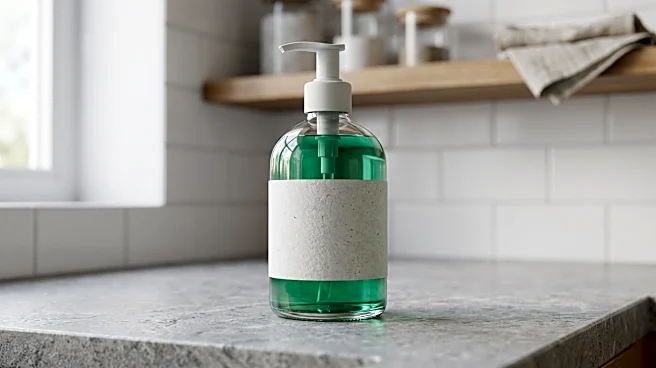
A recent analysis indicates that consumers often misunderstand the term 'pH skin-neutral' in shower gel products. While a pH skin-neutral shower gel is formulated to match the skin's natural acidic range, typically around 5.5, this labeling does not guarantee
an irritation-free formula. Many such products may still contain fragrances or preservatives that can cause adverse reactions in some individuals. The study highlights that a pleasant feeling after showering does not automatically equate to long-term skin hydration or a completely benign product. Ingredients like glycerin, oils, or nourishing lipids are better indicators of genuine skin care benefits. Furthermore, sustainability claims such as 'biodegradable,' 'recyclable,' and 'made from recycled plastic' are frequently unclear, often referring to different components of the product rather than the entire item or its formula.
Why It's Important?
This misunderstanding has significant implications for consumer health and product transparency within the U.S. personal care market. Consumers who rely solely on 'pH skin-neutral' labels may inadvertently expose themselves to irritants, leading to skin issues or dissatisfaction. For manufacturers, this highlights a need for clearer labeling and more comprehensive consumer education regarding product ingredients and their effects. The ambiguity surrounding sustainability claims also impacts consumer trust and the effectiveness of environmental initiatives. Companies that genuinely invest in sustainable practices may struggle to differentiate themselves from those with less transparent or partial claims. This situation could lead to increased regulatory scrutiny on labeling practices in the personal care industry, potentially prompting new standards for ingredient disclosure and environmental claims to protect consumers and foster fair competition.
What's Next?
Moving forward, consumers are advised to scrutinize product labels beyond headline claims, focusing on the full ingredient list (INCI) to identify potential allergens like Limonene, Linalool, Citral, or Geraniol. Manufacturers may face pressure to adopt more transparent labeling practices, particularly concerning pH values, ingredient origins, and the scope of sustainability claims. Industry bodies and consumer advocacy groups might push for clearer guidelines or certifications to help consumers make informed choices. This could lead to a shift in product development, prioritizing genuinely gentle and sustainable formulations over marketing-driven claims. Retailers might also play a role by providing more detailed product information or curating selections based on stricter criteria, ultimately influencing purchasing decisions and market trends in the U.S. personal care sector.
Beyond the Headlines
The issue extends beyond mere product labeling, touching upon broader ethical considerations in marketing and consumer protection. The reliance on vague or easily misinterpreted terms like 'pH skin-neutral' and ambiguous sustainability claims can be seen as a form of greenwashing or 'healthwashing,' where products are presented as more beneficial or environmentally friendly than they truly are. This practice erodes consumer trust and can have long-term consequences for brand loyalty and market integrity. It also underscores the challenge consumers face in navigating a complex marketplace filled with scientific jargon and marketing rhetoric. The development of more robust regulatory frameworks and independent verification systems could empower consumers and hold manufacturers more accountable, fostering a market where product claims are consistently aligned with actual benefits and environmental impact.