



What's Happening?
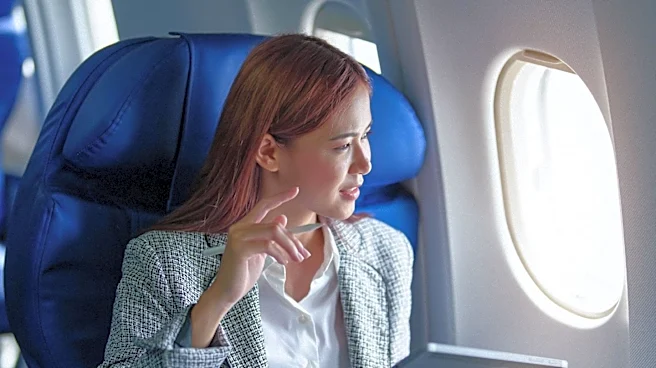
CityHouse, a hospitality provider in Ho Chi Minh City, has outlined seven essential criteria for selecting business accommodation, emphasizing the growing trend of 'bleisure' travel, which combines business and leisure. The company notes that choosing
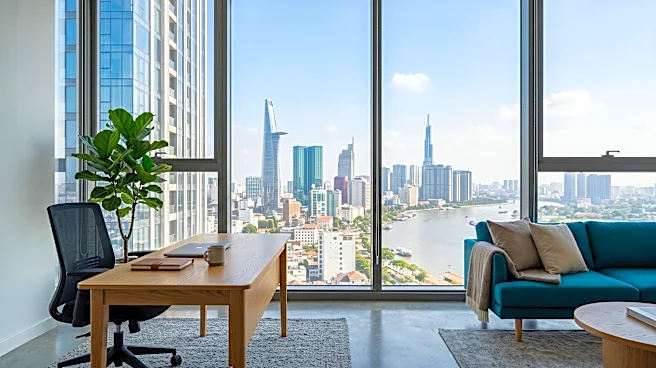
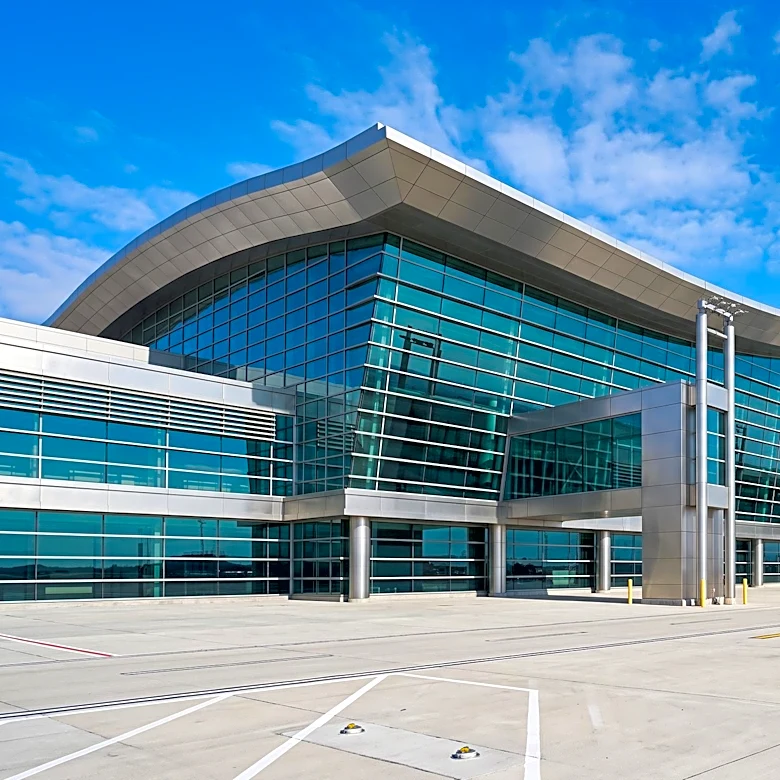
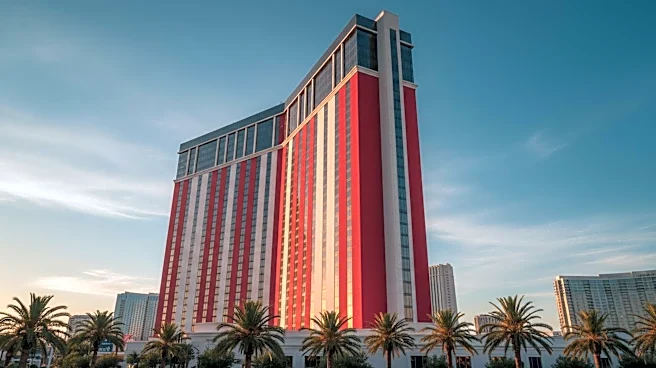
the right hotel or serviced apartment is crucial for business travelers to minimize travel time, maintain energy, and avoid disruptions. Key factors include location and ease of transportation, reliable Wi-Fi, a proper workspace, a quiet room for rest, practical amenities for multi-day stays, security and privacy, and flexible check-in/payment options. CityHouse specifically recommends serviced apartments for longer stays, offering private kitchens and additional living space to enhance comfort and routine. For shorter trips, a standard hotel room with a desk and Wi-Fi may suffice. The company also provides recommendations for different business travel needs, such as CityHouse Atelier Thao Dien for access to central Ho Chi Minh City and industrial areas, and CityHouse TERA The S for travelers with frequent flights due to its proximity to Tan Son Nhat International Airport.
Why It's Important?
The increasing popularity of bleisure travel signifies a shift in how business trips are perceived and planned, moving beyond purely work-focused itineraries to incorporate elements of leisure and personal well-being. This trend impacts the hospitality industry by driving demand for accommodations that offer a blend of professional functionality and comfort. For businesses, understanding these evolving needs can lead to more productive and satisfied employees, potentially improving retention and overall business travel efficiency. The emphasis on reliable Wi-Fi, dedicated workspaces, and practical amenities reflects the modern remote and hybrid work environment, where business travelers often need to maintain productivity outside traditional office settings. The focus on security, privacy, and flexible services also addresses the practical concerns of individuals traveling for work, ensuring a smoother and less stressful experience. This adaptation by hospitality providers like CityHouse is crucial for attracting and retaining business travelers in a competitive market.
What's Next?
As bleisure travel continues to gain traction, hospitality providers are likely to further innovate their offerings to cater to this hybrid demand. This could include more integrated packages that combine work-friendly environments with wellness facilities, local experiences, and extended stay options. We can expect to see an increase in serviced apartments and hotels designed with versatile spaces that can transition from a professional workspace to a comfortable living area. Furthermore, the industry may see enhanced technological integrations, such as advanced in-room connectivity and smart services, to support the seamless blend of work and leisure. Businesses, in turn, may adjust their travel policies to encourage bleisure trips, recognizing the potential benefits for employee well-being and productivity. The focus on specific locations near business hubs or airports will also likely intensify, as convenience remains a top priority for business travelers.
Beyond the Headlines
The rise of bleisure travel reflects a broader cultural shift towards work-life integration and a greater emphasis on personal well-being, even during professional obligations. This trend challenges the traditional separation of work and leisure, suggesting that employees are increasingly seeking opportunities to enrich their travel experiences beyond just business meetings. From an ethical standpoint, companies that support bleisure travel may be seen as more progressive and employee-centric, potentially boosting their employer brand. Legally, this trend might necessitate a re-evaluation of travel expense policies and insurance coverage to accommodate the leisure component of business trips. Culturally, it could lead to a more relaxed and flexible approach to corporate travel, fostering a greater sense of autonomy and satisfaction among employees. The long-term implication is a potential redefinition of business travel itself, where personal enrichment becomes an integral part of the professional journey, influencing urban planning and the development of mixed-use spaces in cities.