



What's Happening?
A recent report from the New York Federal Reserve indicates that U.S. consumers' outlook on inflation remained largely stable in August, but their worries regarding the job market and personal finances intensified. The Survey of Consumer Expectations
showed that respondents maintained projections of 3.6% inflation a year from now and 3% five years out, while slightly lowering the three-year inflation expectation to 3.2% from 3.3%. However, the expectation for the unemployment rate a year from now increased to its highest level since April 2020, a period marked by significant economic disruption due to the COVID-19 pandemic. Consumers also reported a less optimistic view of their current and future financial situations and credit access.
Why It's Important?
Rising consumer anxiety about personal finances and job security can have significant implications for the U.S. economy. When consumers feel less secure about their financial future, they tend to reduce spending, which can slow economic growth. This sentiment is particularly critical as the Federal Reserve continues to grapple with inflation that remains above its 2% target. Increased worries about unemployment, even if actual job losses are not yet widespread, can lead to a more cautious approach to household budgeting and investment. This cautious behavior could impact various sectors, from retail to housing, and influence the Federal Reserve's monetary policy decisions, especially concerning interest rates.
What's Next?
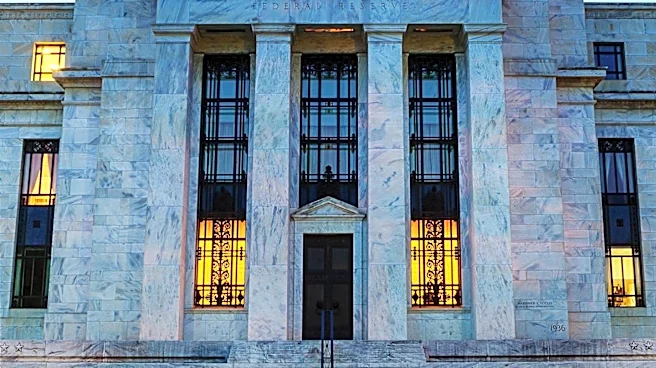
The New York Fed's report comes just ahead of a crucial two-day policy meeting for the U.S. central bank, where policymakers will decide on the benchmark overnight interest rate. The release of the Consumer Price Index for August, scheduled for Friday, will be pivotal in informing this decision. Federal Reserve officials have expressed differing views, with some indicating a willingness to hold rates steady if inflation shows continued progress towards the 2% goal, while others remain open to further rate hikes. The consumer sentiment reflected in this report will likely be a factor in these deliberations, as policymakers aim to balance inflation control with maintaining economic stability and consumer confidence.
Beyond the Headlines
The growing consumer apprehension, despite stable inflation expectations, suggests a deeper underlying concern about economic resilience and individual financial vulnerability. This could be indicative of the lingering effects of past economic shocks, such as the pandemic, or a response to ongoing uncertainties like geopolitical tensions and supply chain disruptions. The broad-based nature of these concerns across different demographics highlights a widespread sense of unease that could influence political discourse and policy priorities. It also underscores the psychological aspect of economic cycles, where perception and confidence play a significant role in shaping economic outcomes, potentially leading to a self-fulfilling prophecy if not addressed effectively by policymakers.