




What's Happening?
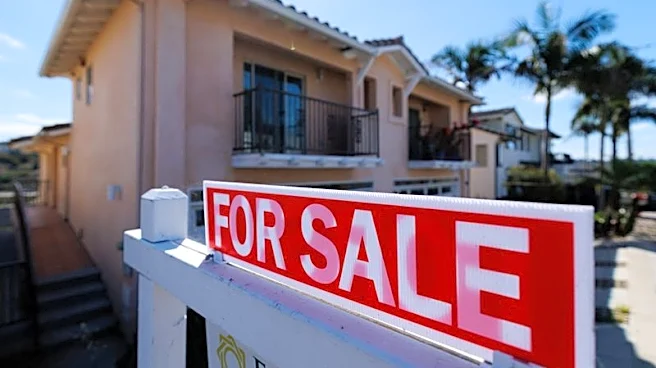
The average 30-year fixed-rate mortgage reached 7.49% on Friday, marking a significant increase of 30 basis points from the beginning of the week, according to Mortgage News Daily. This surge follows a continuous climb that started in late August, with
rates crossing the 7% threshold around September 10. The primary driver behind this upward trend is the rapid rise in the 10-year Treasury yield, which mortgage rates closely mirror. Investor concerns regarding oil prices, inflation, and potential future Federal Reserve rate hikes are contributing to the volatility in global bond markets and, consequently, to the increasing mortgage rates. While current rates are still below the late 2023 peak of approximately 7.8%, the recent acceleration is notable and could impact the housing market. Realtor.com senior economist Anthony Smith noted that a 7% mortgage rate has both psychological and mathematical implications, arriving at a time when leverage typically shifts towards buyers.
Why It's Important?
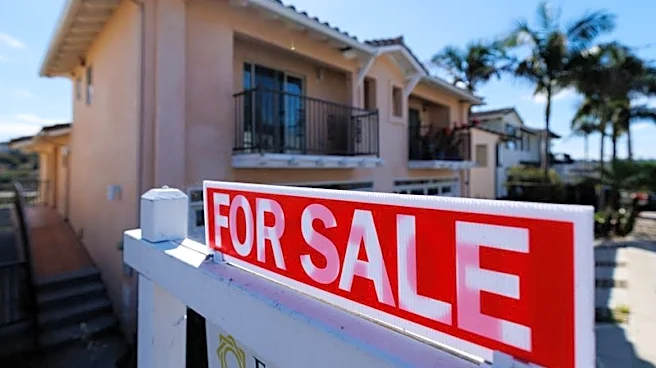
The escalating mortgage rates carry substantial implications for the U.S. housing market and broader economy. Higher interest rates directly increase the cost of homeownership, potentially deterring prospective buyers and reducing affordability. This could lead to a slowdown in home sales, especially as the market approaches its typical winter lull. For current homeowners, rising rates might make refinancing less attractive, limiting their ability to lower monthly payments. The sensitivity of mortgage rates to the 10-year Treasury yield highlights the interconnectedness of the bond market, energy prices, and monetary policy. If inflation persists and the Federal Reserve continues to signal potential rate hikes, mortgage rates could climb further, exacerbating affordability challenges and potentially cooling the housing sector. This situation could also impact related industries, such as construction and real estate services, as demand softens.
What's Next?
The trajectory of mortgage rates will largely depend on future developments in inflation, oil prices, and the Federal Reserve's monetary policy decisions. If investor concerns about inflation and future rate hikes continue, the 10-year Treasury yield could see further increases, pushing mortgage rates even higher. The housing market is likely to experience a continued cooling effect, with potential decreases in home sales and a possible moderation in home price appreciation. Stakeholders, including potential homebuyers, real estate agents, and lenders, will be closely monitoring economic indicators and Federal Reserve announcements for signs of stability or further volatility. The upcoming winter season typically sees a slowdown in housing activity, and these elevated rates could amplify that trend, potentially leading to a more pronounced seasonal downturn than usual.
Beyond the Headlines
Beyond the immediate financial impact, the sustained rise in mortgage rates could trigger longer-term shifts in housing market dynamics and consumer behavior. The psychological barrier of a 7% mortgage rate, as noted by economist Anthony Smith, can significantly influence buyer sentiment and decision-making. This could lead to a re-evaluation of housing affordability, potentially pushing more individuals towards renting or smaller, more affordable homes. The current environment also underscores the broader economic challenges of managing inflation while maintaining economic growth. The Federal Reserve's delicate balancing act between controlling prices and avoiding a recession will continue to shape the financial landscape, with direct consequences for everyday Americans seeking to purchase homes. This period may also accelerate innovation in housing finance, as lenders and policymakers explore new strategies to address affordability in a high-interest-rate environment.