



What's Happening?
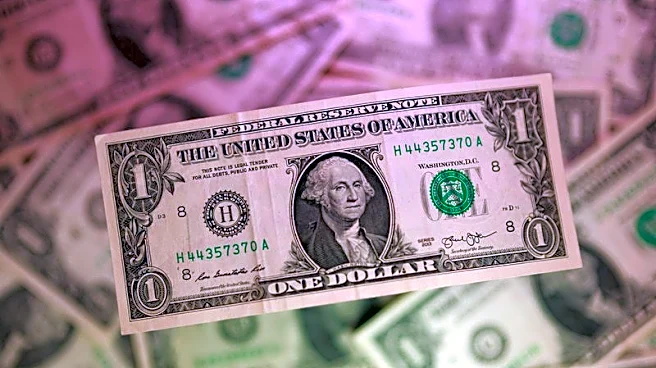
The U.S. dollar is no longer backed by gold, a link that was formally severed by President Nixon on August 15, 1971. Historically, the dollar was tied to gold through various acts, starting with the Coinage Act of 1792, which defined the dollar in both
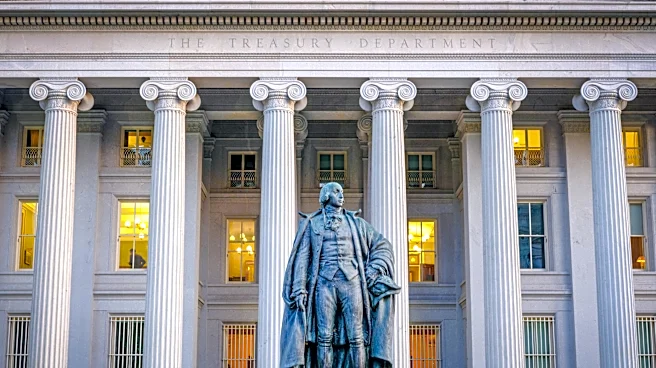
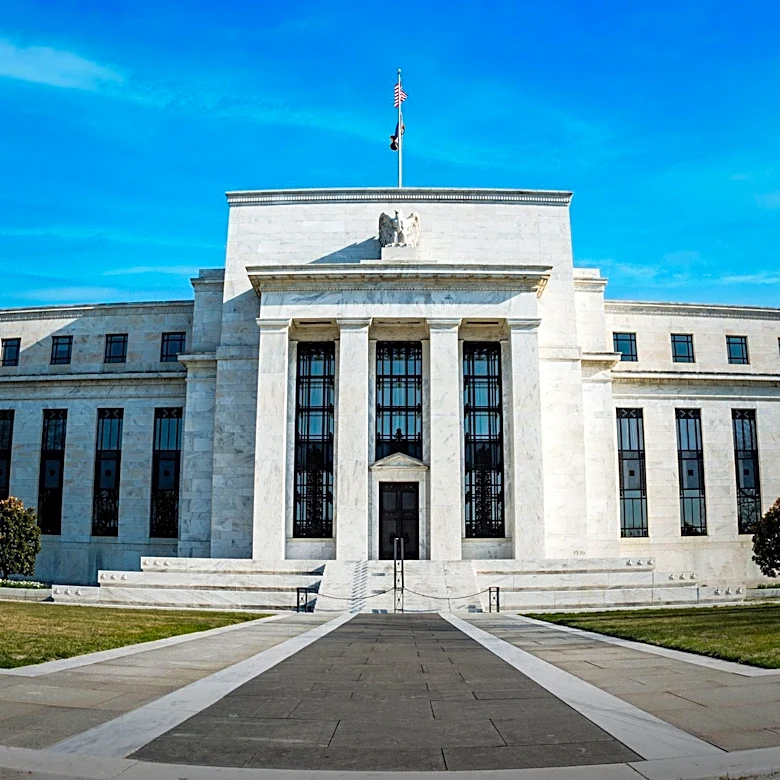
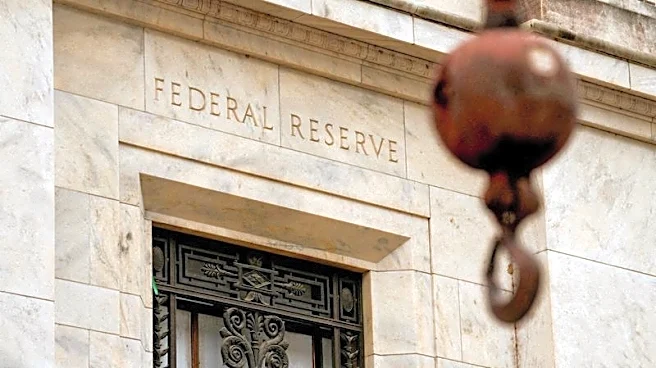
silver and gold. The Gold Standard Act of 1900 made gold the sole backing at $20.67 an ounce. During the Great Depression, President Franklin D. Roosevelt's Gold Reserve Act of 1934 moved monetary gold to the Treasury and raised the price to $35 an ounce, prohibiting banks from redeeming dollars for gold. The Bretton Woods agreement in 1944 fixed the dollar to gold at $35 an ounce, with other currencies pegged to the dollar. However, by the late 1960s, the U.S. had insufficient gold reserves to cover the dollars in circulation globally, leading President Nixon to end the convertibility of dollars to gold for foreign governments. Today, the dollar's value rests on confidence in the U.S. government and economy, with the Federal Reserve managing the money supply primarily through interest rates.
Why It's Important?
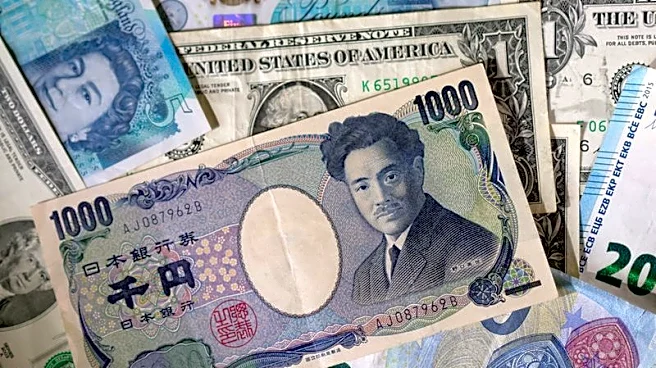
The shift from a gold-backed currency to a fiat system has profound implications for the U.S. economy and global finance. Under the gold standard, the government's ability to print money was limited by its gold reserves, theoretically controlling inflation. With a fiat currency, the Federal Reserve has greater flexibility to manage the money supply, which can be used to stimulate economic growth or combat inflation through interest rate adjustments. This flexibility, however, also introduces the risk of inflation if not managed prudently. For U.S. citizens, the value of their currency is now directly tied to the perceived stability and strength of the U.S. government and its economic policies, rather than a tangible asset. This system allows for more dynamic economic responses but also places a greater burden on monetary policy makers to maintain confidence in the dollar.
Beyond the Headlines
The end of the gold standard in 1971 marked a fundamental change in the global financial system, transitioning to a fiat money system where currency value is derived from government decree rather than a physical commodity. While the U.S. Treasury still holds a significant amount of gold, including over 147 million ounces at Fort Knox, it is recorded at an outdated official price of $42.22 an ounce, far below its market value, further emphasizing the disconnect. This historical context highlights the ongoing debate about the nature of money and value. Even without a gold standard, central banks worldwide continue to hold substantial gold reserves, totaling about 39,300 tonnes, as a safe store of value independent of any single country's currency. This practice underscores gold's enduring psychological and practical role as a hedge against economic uncertainty, even in a world dominated by fiat currencies.