







What's Happening?
The film 'Hachiko,' directed by Lasse Hallström and starring American actor Richard Gere, has been re-released in Peruvian cinemas on October 8th to commemorate its 15th anniversary. This re-release aims to introduce the film to new audiences and provide
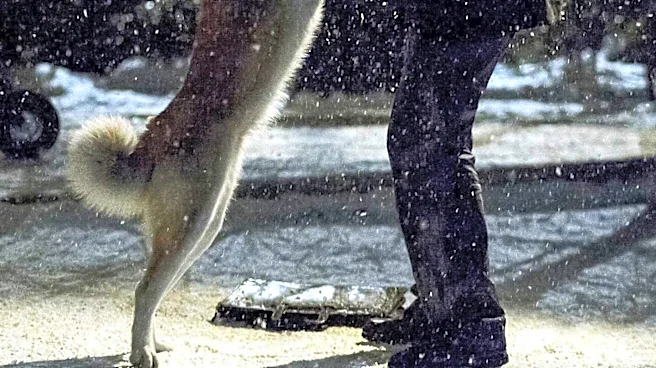
an opportunity for those who saw it originally to experience it again. The movie tells the true story of a dog in Japan that faithfully waited for its owner at Shibuya train station every day, even after the owner's death. The narrative also has a direct connection to Lima, Peru, where a statue dedicated to the dog stands in Shibuya Park in Miraflores, serving as a gathering point for families and pet owners. The re-screening is being incorporated into the programming of cinema chains across the country.
Why It's Important?
The re-release of 'Hachiko' highlights the enduring cultural impact of certain films, particularly those based on true stories that resonate emotionally with audiences. For the U.S. film industry, this event underscores the global reach and longevity of American-produced movies and the potential for international markets to sustain interest in older titles. The film's continued popularity, even 15 years after its initial release, demonstrates the power of universal themes like loyalty and companionship to transcend geographical and linguistic barriers. This can inform distribution strategies for studios, indicating that catalog titles with strong emotional appeal can still generate revenue and engage new generations of viewers in various international territories. The connection to Lima, with a statue commemorating the dog, further illustrates how cultural narratives from films can become integrated into local communities worldwide.
What's Next?
The re-release of 'Hachiko' in Peruvian theaters will likely continue for a limited engagement, allowing both new and returning viewers to experience the film on the big screen. The success of this re-release could influence other international markets to consider similar anniversary screenings for popular films, potentially creating new revenue streams for distributors and rights holders. For Lasse Hallström, this event reinforces his legacy as a director capable of crafting emotionally resonant stories with broad appeal. The continued public interest in 'Hachiko' may also lead to renewed discussions or interest in the real-life story of Hachiko, potentially inspiring new documentaries, books, or other media exploring the themes of animal loyalty and human-animal bonds.
Beyond the Headlines
The enduring appeal of 'Hachiko' speaks to a deeper human fascination with loyalty and unconditional love, particularly as embodied by animals. The film's success, even years after its initial run, suggests that stories tapping into these fundamental emotional experiences have a timeless quality that transcends fleeting trends in cinema. Ethically, the story promotes empathy and highlights the profound connections possible between humans and animals, potentially encouraging greater appreciation for animal welfare. Culturally, the film's influence is evident in the statue in Lima, demonstrating how a narrative can inspire real-world tributes and become a part of a community's identity. This phenomenon underscores the power of storytelling to shape cultural values and create lasting emotional resonance across diverse populations.