






What's Happening?
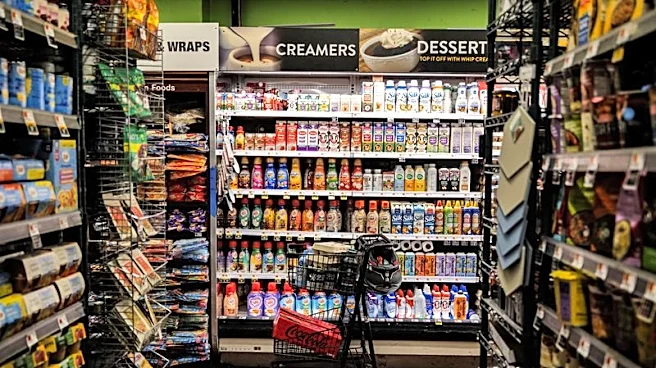
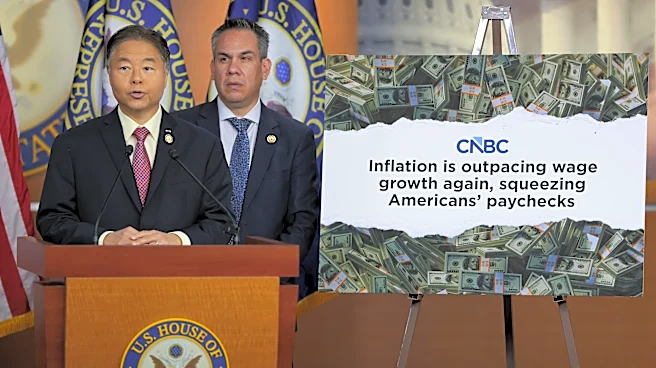
The U.S. Bureau of Labor Statistics reported that the Consumer Price Index for All Urban Consumers (CPI-U) rose 0.4% in October on a seasonally adjusted basis, following a 0.6% increase in September. The core CPI, which excludes food and energy, also
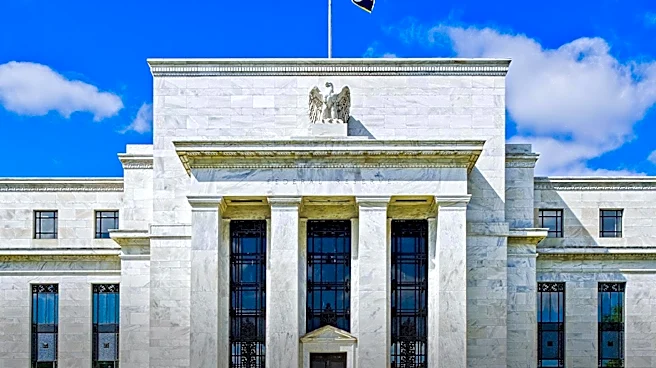
increased by 0.3%, matching its gains in August and September. This marks the third consecutive month that core CPI has topped economists' estimates. These persistent inflationary pressures have largely cemented expectations that the Federal Reserve will implement a rate hike at its December 8-9 meeting. Bloomberg reported that investors anticipate a December rate increase, following a 25 basis points hike in September and a decision to keep rates unchanged in October. Key contributors to the October increase included shelter costs, food prices, and energy, with gasoline prices rising 1.0%.
Why It's Important?
The consistent rise in consumer prices, particularly the core CPI exceeding expectations for three consecutive months, signals that inflationary pressures are more entrenched than previously thought. This situation reinforces the Federal Reserve's commitment to its tightening monetary policy, which directly impacts borrowing costs across the U.S. economy. Higher interest rates will affect mortgage rates, auto loans, and business credit, potentially slowing down economic activity. For consumers, the continued increase in food and shelter costs means a reduction in disposable income and purchasing power. Businesses may face challenges in managing rising operational costs, which could lead to further price increases or reduced investment. The Fed's actions are crucial for maintaining price stability, but aggressive rate hikes also carry the risk of triggering an economic slowdown or recession, making the December decision and subsequent policy trajectory highly significant for all economic stakeholders.
What's Next?
The October CPI report is the final inflation data release before the Federal Reserve's December meeting, making it a critical input for policymakers. While a 25 basis points rate hike is widely expected, Federal Reserve Governor Christopher Waller has suggested that a core CPI reading of 0.3% or higher could prompt a larger, half-point move. Thomas Simons, chief U.S. economist at Jefferies, stated that the report 'probably locks the Fed in for a hike in December' and indicated that another increase could follow as early as January if energy prices do not ease. The U.S. Bureau of Labor Statistics will release November data on December 10, a day after the Fed meeting concludes, which will provide further insights into the ongoing inflation trend. All eyes will be on the Fed's official announcement and any forward guidance provided regarding future monetary policy.
Beyond the Headlines
The sustained inflation, particularly in essential categories like shelter and food, highlights a deeper economic challenge that extends beyond cyclical factors. The BLS's inability to publish 12-month changes for October due to a data gap from a previous government shutdown underscores the complexities in accurately assessing long-term inflation trends. This data gap can create uncertainty for economists and policymakers, potentially complicating their ability to make fully informed decisions. The persistent inflation also raises questions about the effectiveness of current monetary policy tools in addressing supply-side constraints and global economic disruptions. The impact on different segments of the population, especially those with lower incomes who spend a larger proportion on necessities, could exacerbate economic inequality. This situation may prompt a broader discussion on structural reforms and alternative policy approaches to manage inflation in an increasingly interconnected and volatile global economy.