







What's Happening?
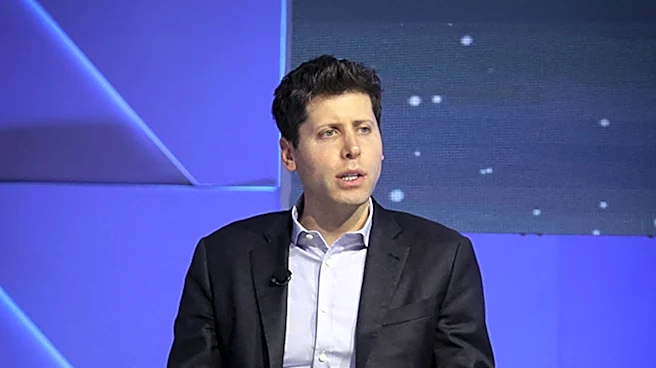
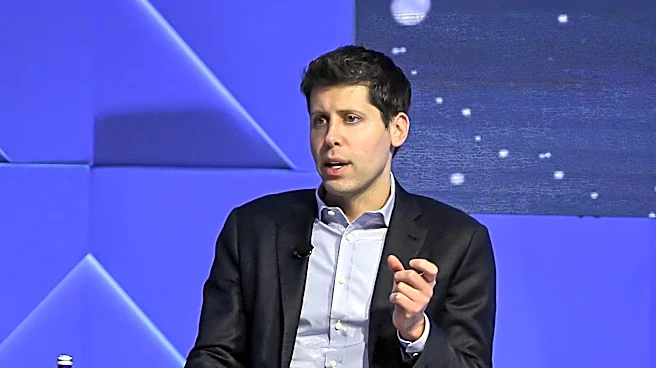
OpenAI CEO Sam Altman has announced that the company will not pursue an initial public offering (IPO) in 2026. This decision stems from a commitment to prioritize artificial intelligence (AI) safety and alignment work before considering a public listing.
Altman stated in an interview with Fortune that OpenAI feels no immediate pressure to go public and views the current environment as inappropriate for an IPO, given the significant safety questions surrounding increasingly capable AI systems. He emphasized that even hypothetical estimates suggesting a meaningful probability of AI contributing to human extinction should be treated as unacceptable risks, not ordinary business considerations. Altman also highlighted the substantial work ahead for OpenAI in areas such as safety, alignment, and fostering cooperation between the AI industry and governments. This announcement provides clarity on OpenAI's near-term capital markets plans, as previous reports had indicated the company was evaluating the timing of a potential public offering. While ruling out 2026, Altman did not commit to a specific listing date for subsequent years.
Why It's Important?
OpenAI's decision to delay its IPO underscores a growing concern within the AI industry regarding the rapid advancement and potential risks of artificial intelligence. By prioritizing safety and alignment over immediate financial market opportunities, OpenAI is signaling a commitment to responsible AI development, which could influence industry standards and regulatory discussions. This move could also impact investor perceptions of AI companies, potentially shifting focus from rapid growth to sustainable and ethical development. For the broader technology sector, it highlights the unique challenges and ethical considerations that come with developing frontier AI. The emphasis on safety and alignment could lead to increased collaboration between AI developers and governments, potentially shaping future public policy on AI regulation. Furthermore, it suggests that leading AI developers may be moving towards a consensus on addressing safety risks and moderating the pace of AI development, which could have long-term implications for the trajectory of AI innovation and its societal integration.
What's Next?
Following this announcement, OpenAI will continue to rely on private capital and strategic financing arrangements to fund its extensive investments in computing infrastructure, model development, and safety research. The company is expected to intensify its efforts in AI safety, alignment, and fostering industry-government cooperation. This could involve increased research into mitigating AI risks, developing robust safety protocols, and engaging in dialogues with policymakers to establish responsible AI governance frameworks. The decision may also prompt other AI companies to re-evaluate their own timelines for public offerings, potentially leading to a broader industry trend of prioritizing safety over rapid market entry. Discussions among leading AI developers about agreements to address safety risks and moderate the pace of frontier AI development are likely to continue, potentially leading to industry-wide initiatives or self-regulatory measures. The focus will remain on how OpenAI and its peers navigate the complex balance between innovation and responsible development in the coming years.
Beyond the Headlines
OpenAI's decision reflects a deeper ethical and philosophical debate within the AI community about the ultimate purpose and control of advanced artificial intelligence. The acknowledgment of potential existential risks from AI, even if hypothetical, elevates the discussion beyond mere technological advancement to fundamental questions about humanity's future. This stance could set a precedent for how other transformative technologies are developed and brought to market, emphasizing societal impact and safety over purely commercial interests. It also highlights the increasing influence of AI ethics on corporate strategy, suggesting that companies developing powerful technologies may face growing pressure to demonstrate a commitment to public good. The call for cooperation between the AI industry and governments points to a future where technological innovation is more closely intertwined with public policy and international collaboration, aiming to prevent unintended consequences on a global scale. This shift could redefine the responsibilities of technology leaders and reshape the regulatory landscape for emerging technologies.