







What's Happening?
Small, independently owned gyms are expanding fitness opportunities and fostering community connections in rural areas of the Adirondack Park, particularly during colder months. These establishments provide crucial spaces for strength training and maintaining
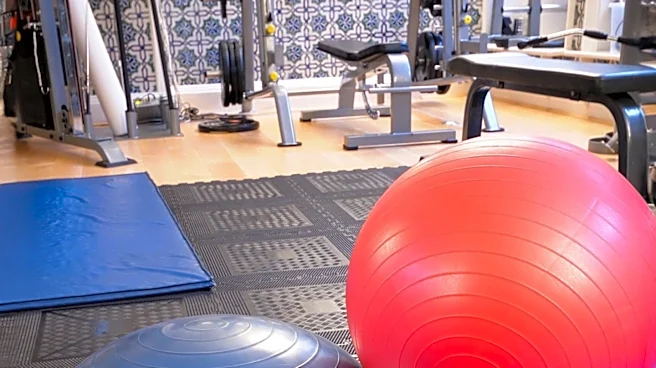
fitness in regions where outdoor activities are prevalent but winter weather can limit options. For instance, John Mueller and Kerrianne Belline-Mueller recently opened Bearly Fit Gym in Chestertown, aiming to improve the health and well-being of their community. Belline-Mueller, a physician's assistant, was inspired to create a local wellness hub, transforming a dilapidated diner into a thriving fitness center. Bearly Fit Gym, which currently serves about 75 members, offers discounted rates to local residents and has seen significant interest from non-residents and tourists. The gym provides a variety of classes, including yoga, high-intensity interval training (HIIT), strength training, nutrition, and hula hoop classes, with strong participation rates.
Why It's Important?
The emergence and success of small gyms in rural communities like Chestertown highlight a growing trend in addressing health and social needs beyond urban centers. These gyms are vital for providing accessible fitness options, especially in areas where larger commercial gyms may not be economically viable. By offering diverse classes and fostering a sense of community, they contribute to both physical and mental well-being. The model of discounted rates for residents and the inclusion of various fitness programs make these facilities inclusive and sustainable. This initiative also demonstrates how local entrepreneurs can repurpose existing structures, like the former diner, to create valuable community assets, thereby revitalizing local economies and social infrastructures. The focus on mental health and preventive care, as emphasized by instructors like Nick Bodner, underscores a holistic approach to wellness that is particularly beneficial in close-knit communities.
What's Next?
The success of gyms like Bearly Fit suggests a potential for replication in other rural communities across the U.S. As these small gyms continue to grow, they may explore further expansion of their class offerings, potentially incorporating more specialized wellness programs or collaborating with local healthcare providers for integrated health initiatives. The unstaffed model, common among similar small gyms, could become a blueprint for sustainable operation in areas with limited resources. Furthermore, the increasing demand for fitness and community spaces in rural settings could encourage local governments or non-profit organizations to support the establishment and growth of such facilities through grants or community development programs. The continued engagement of residents and tourists will be crucial for the long-term financial viability and community impact of these gyms.
Beyond the Headlines
The rise of small, community-focused gyms in rural areas reflects a broader societal shift towards localized wellness and community resilience. In an increasingly digital world, these physical spaces offer tangible opportunities for social interaction and collective well-being, combating issues like social isolation that can be more pronounced in less populated regions. The transformation of an old diner into a modern fitness center also symbolizes a creative approach to rural development, emphasizing adaptive reuse and local entrepreneurship. This movement goes beyond mere physical exercise; it cultivates a sense of belonging and shared purpose, which are fundamental components of a healthy community. The dedication of individuals like the Muellers, who prioritize community health and connection, exemplifies a grassroots effort to build stronger, healthier local environments.