

What's Happening?
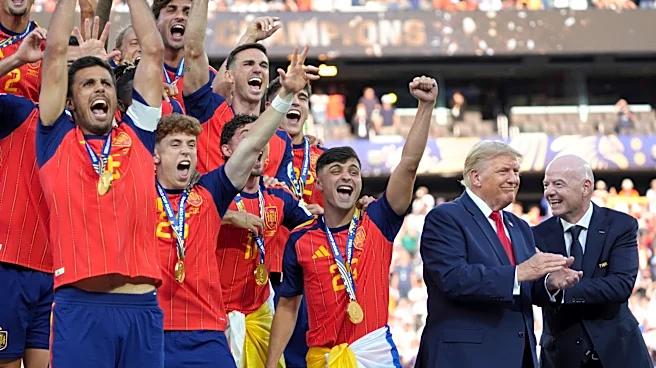
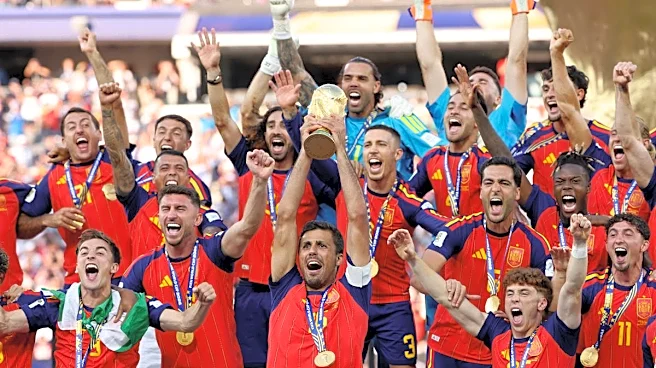
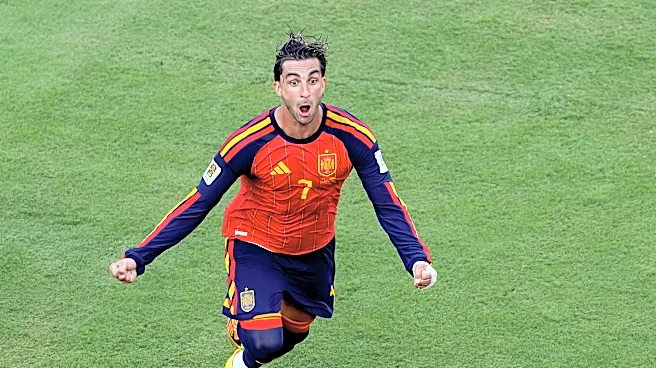
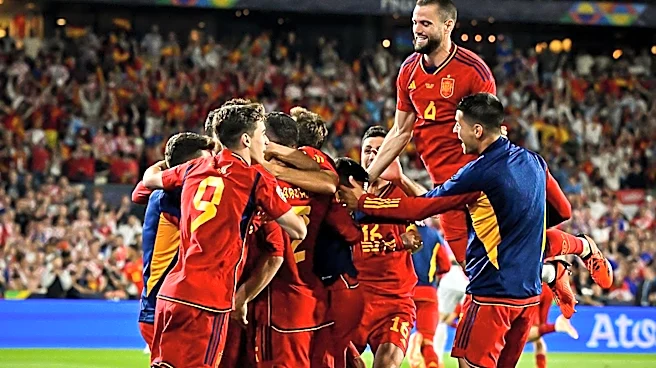
The 2026 World Cup, co-hosted by the United States, Mexico, and Canada, concluded with Spain defeating Argentina to claim its second title. The tournament, which featured 104 matches, was marked by record viewership and attendance. The expansion from
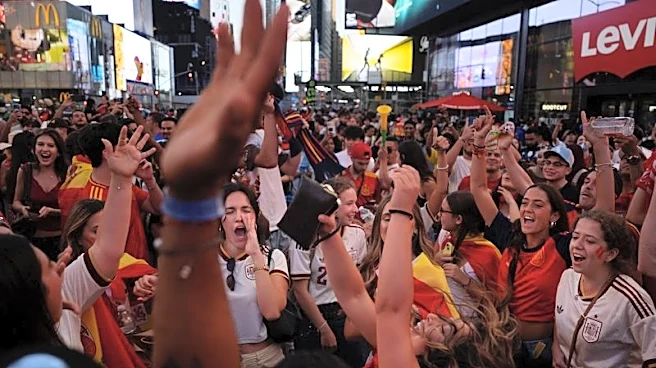
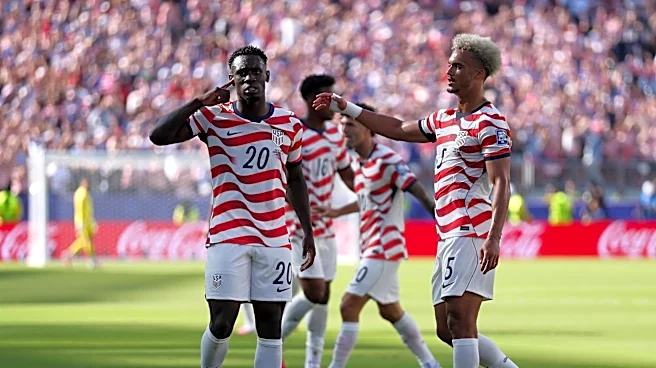
32 to 48 teams brought new excitement, with debutant teams like Cape Verde making significant impacts. The U.S. team garnered increased enthusiasm, with notable performances that captivated audiences across the country. The event also highlighted the growing popularity of soccer in the U.S., as fans embraced the sport with unprecedented fervor.
Why It's Important?
The success of the 2026 World Cup underscores the growing popularity and acceptance of soccer in the United States. The tournament's expansion and the inclusion of new teams have broadened the appeal of the sport, attracting diverse audiences and fostering a deeper connection with international soccer. The increased enthusiasm for the U.S. team suggests a potential shift in the country's sports culture, with soccer gaining a more prominent place alongside traditional American sports. This could lead to increased investment in soccer infrastructure and youth development programs, further enhancing the sport's growth in the U.S.
What's Next?
Following the World Cup, Major League Soccer (MLS) and other domestic leagues are expected to capitalize on the heightened interest in soccer. The U.S. team's performance may inspire more young athletes to pursue soccer, potentially leading to a stronger national team in future international competitions. Additionally, the success of the tournament could encourage the U.S. to bid for future World Cups, further solidifying its position as a key player in the global soccer community.