


What's Happening?
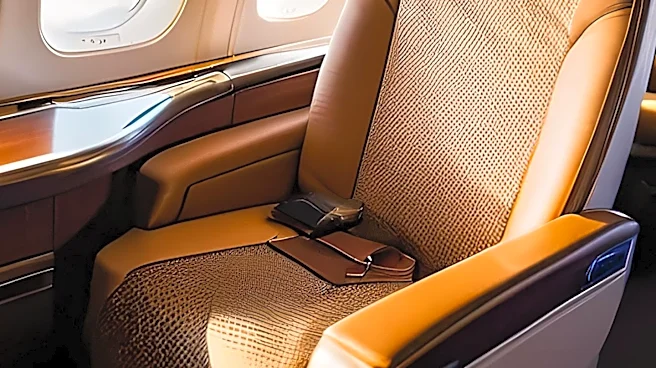
U.S. airlines have concluded the era of long-haul, international first-class cabins. American Airlines, the last U.S. carrier to offer this service on international routes, recently operated its final flight with an eight-suite first-class section. This
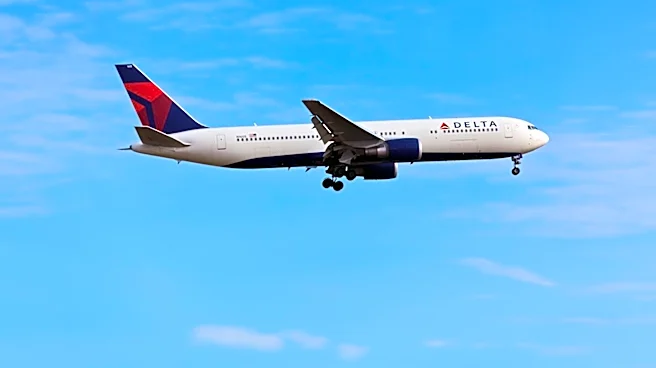
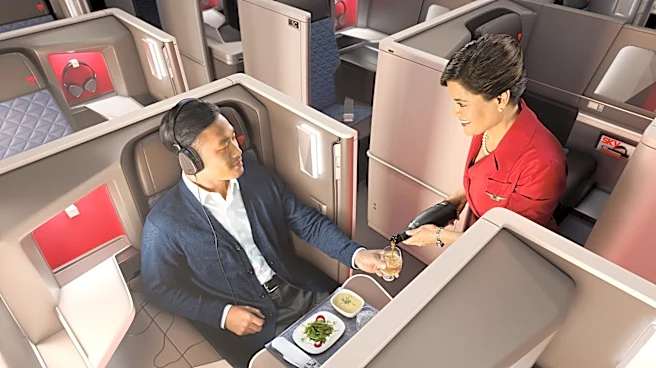
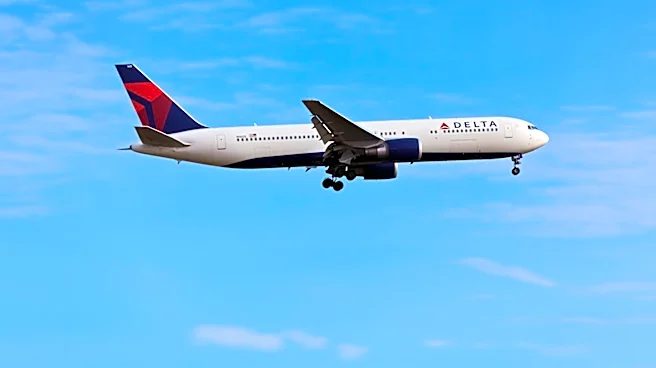
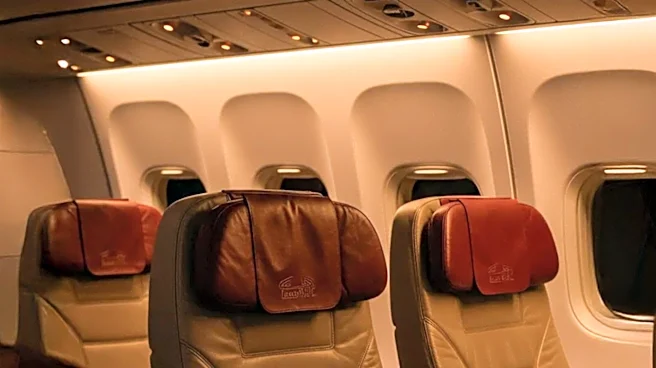
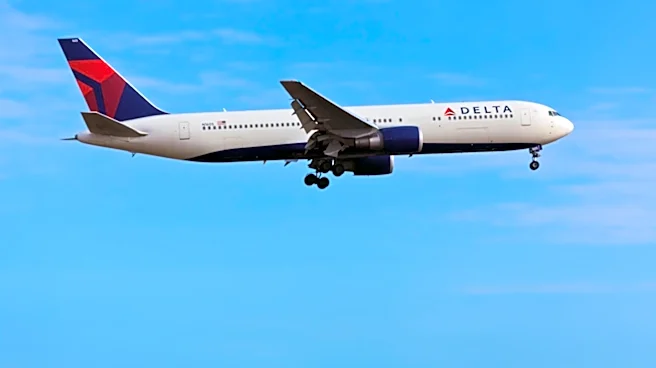
move follows similar decisions by Delta Air Lines and United Airlines, which had previously replaced their international first-class offerings. The industry trend is to substitute traditional first class with expanded and upgraded business-class cabins, often featuring lie-flat suites with amenities like sliding doors, larger screens, and improved bedding. American Airlines' new configuration on its Boeing 777-300ERs will now include 70 business-class suites, a significant increase from its previous setup of eight first-class suites and 52 business-class pods. This shift is driven by airlines' strategy to cater to a growing demand for 'mass luxury' and to boost revenue amidst rising operational costs.
Why It's Important?
This strategic shift by U.S. airlines reflects a significant change in the premium air travel market. By eliminating international first class and enhancing business class, airlines are responding to evolving passenger preferences and corporate travel policies. Many companies permit employees to book business-class tickets but not first class, making an expanded, high-quality business class more accessible to a broader segment of travelers. This move allows airlines to maximize revenue per flight by offering more premium seats that are frequently utilized. The investment in upgraded business-class amenities, such as individual pods and advanced technology, aims to provide a luxurious experience that was once exclusive to first class, thereby justifying higher fares. This trend also highlights the airlines' focus on yield management, ensuring that each seat contributes optimally to profitability, especially on long-haul international routes where competition and operational expenses are high.
What's Next?
The trend of segmenting and enhancing business class is expected to continue, with airlines exploring further differentiations within their premium cabins. United Airlines, for instance, has indicated that it has more plans on the drawing board for segmenting its business class. American Airlines will also continue to offer a separate lie-flat first class on its Airbus A321T subfleet for domestic cross-country flights until early 2027, after which it will also be phased out. Additionally, the growth of premium economy sections, which offer a middle ground between business and economy with features like recliner seats and improved dining, is likely to persist. Airlines will continue to invest in technology and comfort to attract passengers willing to pay more for an elevated travel experience, further blurring the lines between traditional first and business class offerings.
Beyond the Headlines
The disappearance of international first class marks the end of an era that once symbolized the pinnacle of air travel luxury, characterized by services like seat-side carving and fine dining. This evolution reflects broader societal and economic changes, where practicality and perceived value often outweigh extreme opulence. The 'mass luxury' approach suggests a democratization of premium travel, making high-comfort experiences accessible to a larger, albeit still affluent, demographic. This shift also raises questions about the future of ultra-luxury services in other industries, as businesses adapt to consumer demands for enhanced experiences at a more attainable price point. The focus on individual pods and privacy in business class also speaks to a growing desire for personal space and control in public environments, a trend that extends beyond air travel.