





What's Happening?
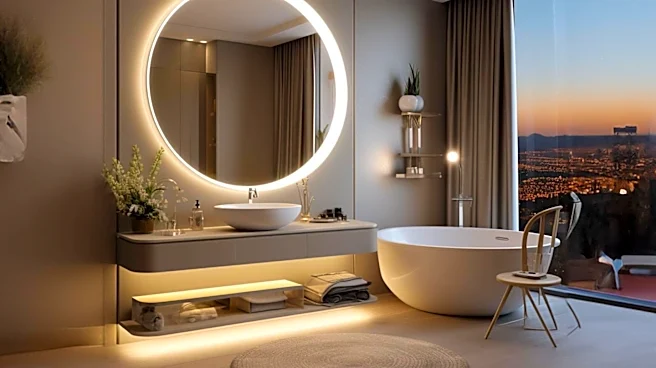
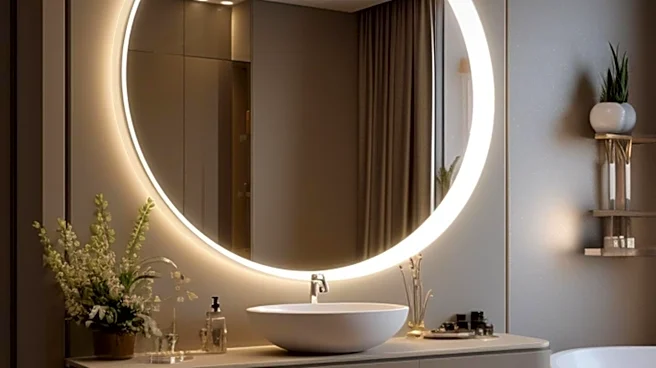
LED mirror lighting technology provides a range of options tailored for different aesthetic and functional needs in vanity and bathroom settings. These options are primarily categorized by color temperature: warm white (3000K), natural neutral white (4000K),
and cool white (6000K). Warm white creates a soft, yellowish glow suitable for relaxed lounge atmospheres, often found in hotel vanity zones. Natural neutral white, with minimal color deviation and a high Color Rendering Index (CRI90+), is recommended for makeup application as it accurately restores skin and cosmetic colors. Cool white offers bright, bluish-white light, ideal for detailed tasks like shaving and skin-care inspection. Many modern LED mirrors, particularly for hotel bathrooms, feature tri-color dimmable functions, allowing users to switch between these color temperatures to suit various activities from showering to grooming.
Why It's Important?
The advancement in LED mirror lighting technology significantly impacts the design and functionality of U.S. residential and commercial spaces, particularly in bathrooms and beauty salons. For consumers, the availability of different light temperatures means improved functionality for daily routines, such as makeup application and grooming, leading to better results and user satisfaction. For businesses, especially in the hospitality and beauty industries, these specialized lighting options enhance customer experience and operational efficiency. For instance, hotels can offer guests customizable lighting for comfort and utility, while salons can ensure accurate color representation for beauty treatments. This technological evolution also drives innovation in home decor and smart home integration, as consumers increasingly seek personalized and high-tech solutions for their living spaces, influencing purchasing decisions and market trends in home improvement.
What's Next?
The trend towards customizable and smart LED mirror lighting is expected to continue, with further integration into broader smart home ecosystems. Consumers can anticipate more advanced features such as voice control, motion sensing, and connectivity with other smart devices. Manufacturers will likely focus on enhancing energy efficiency, durability, and the aesthetic appeal of these mirrors, offering a wider range of designs and sizes to fit diverse interior styles. The demand for high CRI lighting, especially for tasks requiring color accuracy like makeup, will likely push for higher standards in LED quality. Additionally, the commercial sector, including hotels and beauty salons, will continue to adopt these technologies to provide premium experiences, potentially leading to new industry benchmarks for lighting in personal care environments.
Beyond the Headlines
Beyond their immediate functional benefits, advanced LED mirror lighting systems contribute to a subtle but significant shift in personal wellness and daily routines. The ability to adjust lighting to mimic different environments (e.g., daylight for makeup) can positively impact mood and productivity, reducing eye strain and improving the quality of self-care tasks. This technology also plays a role in the growing emphasis on personalized environments, where individuals can tailor their surroundings to their specific needs and preferences. Ethically, the widespread adoption of energy-efficient LED technology contributes to reduced energy consumption and a smaller carbon footprint, aligning with broader environmental sustainability goals. The integration of smart features also raises questions about data privacy and security, though less directly than other smart home devices, as these mirrors could potentially collect usage patterns or integrate with other data-gathering systems.