







What's Happening?
The South Dakota Governor’s Council of Economic Advisors convened to discuss various economic challenges facing the state. Key concerns highlighted include a shrinking labor force participation rate, struggles among farmers, and rising costs impacting
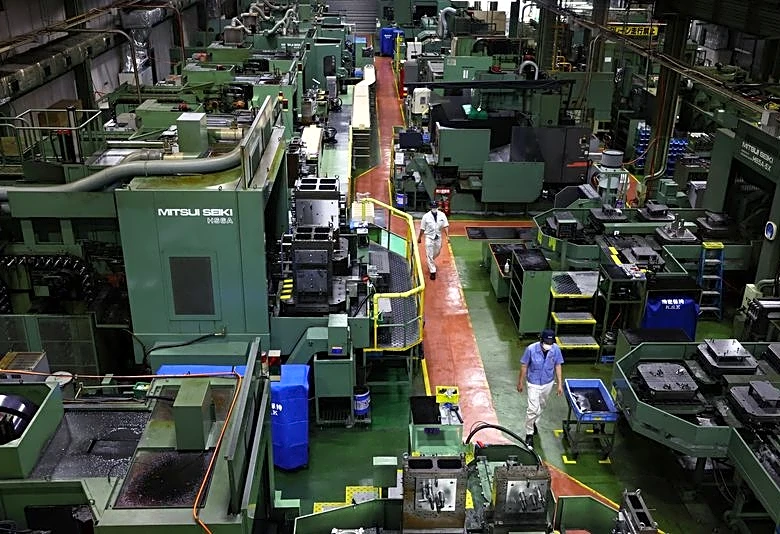
consumers and businesses. Jim Terwilliger, commissioner of the state Bureau of Finance and Management, acknowledged these 'headwinds' but expressed confidence in the state's resilience. The labor force participation rate for residents aged 16 or older fell to 66.3% in September, down from 68.2% in September 2025, accelerating a downward trend from a 2003 peak of 73.4%. Despite this, South Dakota's rate remains above the national average of approximately 62%, with an unemployment rate of 2% and at least three job openings for every unemployed person. Bill Even, commissioner of the Governor’s Office of Economic Development, attributed part of the decline to an aging population and suggested focusing on automation and productivity in future economic development strategies.
Why It's Important?
The discussions by the Governor's Council of Economic Advisors are crucial for understanding the economic health and future direction of South Dakota. A declining labor force participation rate, even if above the national average, signals potential long-term challenges for economic growth and sustainability. It indicates a smaller pool of workers to fill existing job vacancies, which could constrain business expansion and innovation. The impact on farmers, facing high diesel, fertilizer, and equipment prices, coupled with an uncertain export market, highlights vulnerabilities in a key state industry. Rising costs for consumers, evidenced by softer concert ticket sales and a shift to online retail for cheaper prices, suggest a broader economic squeeze that could affect various sectors. These factors collectively influence state policy decisions, investment strategies, and the overall quality of life for South Dakota residents.
What's Next?
In response to the identified economic headwinds, South Dakota is likely to explore and implement strategies to address labor force participation and support key industries. The suggestion to emphasize automation and productivity in economic development indicates a potential shift in state policy to mitigate the effects of an aging workforce. Further analysis of the $8 billion federal assistance package for farmers will be critical to understand its full impact on the agricultural sector. State and local governments may also consider initiatives to boost tourism, which has seen declines in areas like the Black Hills and Sturgis. The ongoing monitoring of economic indicators by the Governor's Council will inform future policy adjustments aimed at maintaining the state's economic resilience.
Beyond the Headlines
Beyond the immediate economic indicators, the discussion points to deeper demographic and structural shifts within South Dakota's economy. The aging population and its effect on the labor force participation rate highlight a long-term demographic challenge that many states face. This could lead to increased focus on attracting and retaining younger workers, as well as exploring innovative solutions for workforce development and training. The reliance on federal assistance for farmers also raises questions about the long-term sustainability of agricultural practices in the face of rising input costs and climate challenges. Furthermore, the shift in consumer spending habits, with increased online retail and reduced spending on leisure activities, could prompt businesses to adapt their models and local economies to diversify beyond traditional sectors. These trends suggest a need for comprehensive, forward-thinking strategies to ensure sustained prosperity.