



What's Happening?
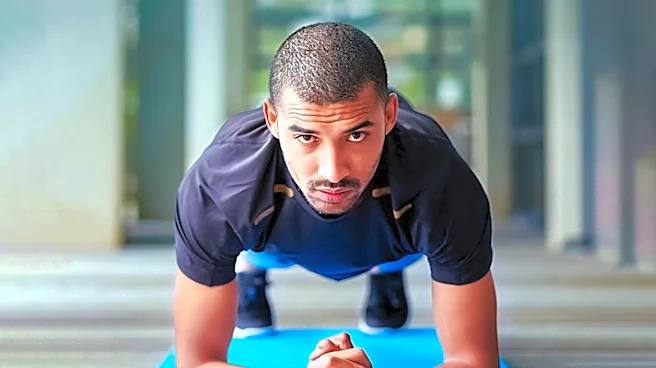
Calisthenics, a form of exercise utilizing bodyweight, is gaining recognition as an effective method for building full-body strength and improving overall fitness without the need for specialized equipment. This ancient practice, which has roots in ancient Greece,
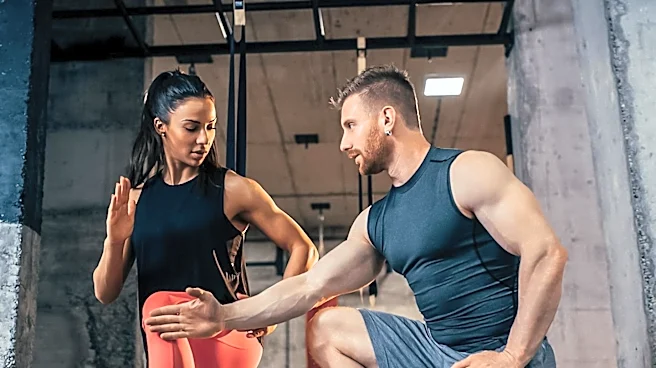
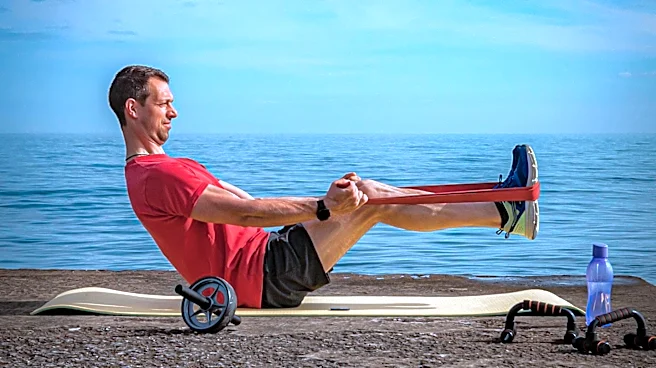
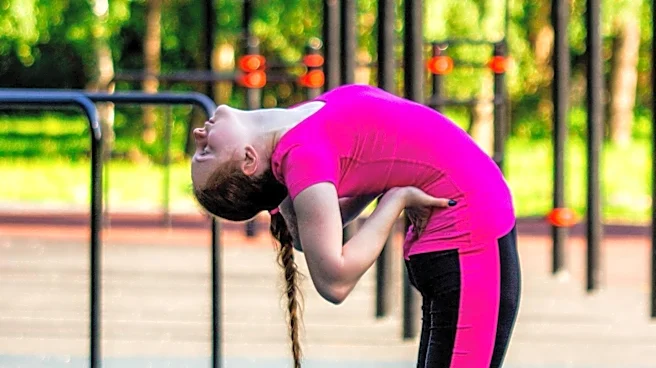
focuses on movements like squats, incline push-ups, glute bridges, supermans, and lateral lunges. These exercises target major muscle groups, enhancing endurance, flexibility, and coordination. Experts from Harvard Health Publishing note that calisthenics can also contribute to better aerobic fitness and a stronger core. The exercises are easily modifiable for various fitness levels, making them accessible to beginners while still offering challenges for more advanced individuals. The convenience of calisthenics allows individuals to perform workouts anywhere and at any time, eliminating barriers such as gym memberships or equipment costs. Gradual progression, controlled movements, and adequate rest days are recommended to ensure safe and effective training.
Why It's Important?
The accessibility and effectiveness of calisthenics hold significant importance for public health and fitness trends in the U.S. In an era where sedentary lifestyles are prevalent and access to fitness facilities can be a barrier for some, bodyweight exercises provide a no-cost, convenient alternative. This can encourage a broader demographic to engage in regular physical activity, potentially leading to improved public health outcomes, including reduced rates of obesity, cardiovascular disease, and musculoskeletal issues. For individuals seeking to maintain fitness without financial strain or time constraints, calisthenics offers a practical solution. Furthermore, the emphasis on functional movements in calisthenics can translate to improved daily living activities and reduced risk of injury, benefiting a wide range of age groups. The growing popularity of such accessible fitness methods could also influence the wellness industry, potentially shifting focus towards more home-based or outdoor workout solutions.
What's Next?
As awareness of the benefits of calisthenics grows, it is likely that more fitness programs, online resources, and community initiatives will emerge to support and promote bodyweight training. We may see an increase in specialized calisthenics classes, workshops, and digital content catering to different skill levels. Fitness professionals might integrate more bodyweight exercises into their training regimens, recognizing their versatility and effectiveness. Additionally, public health campaigns could leverage the simplicity and accessibility of calisthenics to encourage physical activity among diverse populations. The trend could also lead to innovations in wearable technology and fitness apps designed to track and guide bodyweight workouts, further enhancing user engagement and progress. As people continue to seek cost-effective and flexible fitness options, calisthenics is poised to become an even more prominent component of the mainstream fitness landscape.
Beyond the Headlines
Beyond the immediate physical benefits, the resurgence of calisthenics reflects a broader cultural shift towards more holistic and self-sufficient approaches to health and wellness. This movement emphasizes personal empowerment and resourcefulness, as individuals learn to utilize their own bodies as primary tools for fitness. It challenges the consumer-driven aspect of the fitness industry, which often promotes expensive equipment and memberships. Ethically, calisthenics promotes inclusivity by removing financial and logistical barriers to exercise, making fitness more equitable. Legally, increased participation in public spaces for bodyweight exercises might prompt discussions around urban planning and the availability of suitable outdoor fitness areas. Culturally, it could foster a greater appreciation for natural movement and the inherent capabilities of the human body, moving away from an over-reliance on external aids for physical development. This shift could also influence educational curricula, encouraging the integration of bodyweight training in physical education programs.